

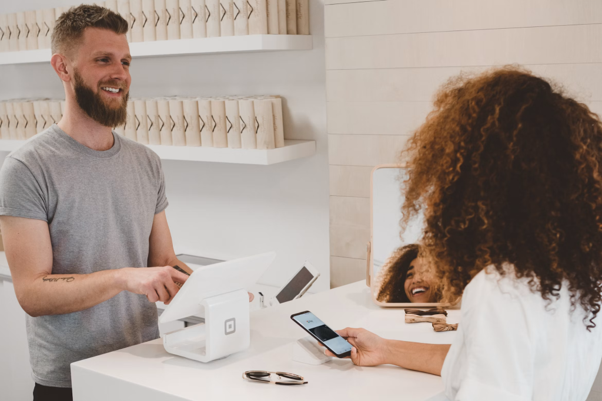
A great product or service is only half the battle. The other half, the one that truly separates thriving businesses from the ones that fade away, is how customers experience your company. This includes every interaction a person has with you, from the moment they first hear your name to the support they get long after buying something. A good experience builds loyalty, sparks word of mouth, and creates a strong foundation for long-term growth. A bad one, though, can cause serious damage in a flash.
Thinking about and prioritizing the customer experience isn’t just a nice extra; it’s a core business strategy. When you focus on how customers feel when they interact with your brand, you’re directly investing in your bottom line. A strong customer experience leads to more customers sticking around, higher customer lifetime value, and a powerful competitive edge that’s tough for others to copy.
The Impact of First Impressions
You only get one chance to make a first impression, and in business, that moment happens faster than you think. Whether it’s a potential customer landing on your website, walking into your store, or seeing your social media ad for the first time, they form their initial judgment in seconds. This first contact sets the mood for the entire relationship. A clunky website, a confusing layout, or a slow reply to a question can create a negative feeling that’s hard to shake.
Research consistently shows why first impressions matter. They filter every interaction that follows. If that first contact is good, customers are more likely to forgive small issues later on. If it’s bad, they’ll actively look for proof that their first gut feeling was right.
Think about these situations:
● Online: Someone visits two online stores selling similar products. The first is clean, fast, and easy to use. The second is messy, slow to load, and has a confusing checkout. The person will almost certainly trust and buy from the first site, even if the prices are a little higher.
● In-person: A potential client calls two different service providers for a quote. The first company answers quickly with a friendly, helpful person. The second company lets the call go to voicemail and takes a day to call back. The first company has already shown it’s reliable and professional.
Making a great first impression means planning every initial interaction carefully. This includes having a professional website, training your front-line staff to be welcoming, and ensuring your marketing materials are clear and engaging. It shows the customer right from the start that you’re organized, professional, and that you care about their business.
Personalizing Every Interaction
Once you’ve made a good first impression, the next step is to show your customers they aren’t just another number. Personalization helps people feel seen and valued. In a world where consumers are swamped with generic marketing messages, a customized approach really stands out and builds a much deeper connection. This goes way beyond just using a customer’s first name in an email. True personalization means using data and insights to tailor the whole experience.
Personalized customer experiences come from being relevant and timely. When you show customers you understand their needs and preferences, you build trust and make their lives easier. Big companies like Amazon and Netflix are experts at this. They use your past behavior to suggest products or shows you’ll genuinely enjoy, creating an experience that keeps you coming back.
But you don’t need a huge budget to personalize things. Here are some practical ways any business can do it:
● Split up your email list: Instead of sending one general newsletter to everyone, create groups based on what people have bought, their interests, or where they live. A clothing store could send different promotions to customers who buy men’s clothes versus women’s clothes.
● Remember customer preferences: A local coffee shop that remembers a regular’s order makes that person feel like a valued part of the community. A B2B salesperson who remembers a client’s business goals from a previous chat shows they are listening and invested.
● Tailor your recommendations: If a customer buys a certain type of product, follow up with tips on how to use it or suggest related accessories. This adds value beyond the first sale and shows off your expertise.
Personalization changes a one-off transaction into a real relationship. It shows you’re paying attention and are committed to helping the customer succeed, which is the foundation of long-term loyalty.
 Streamlining the Sales Journey
One of the most important parts of the customer experience is the sales process itself. This is when a potential customer decides whether to spend their money and trust your brand. A clunky, confusing, or inefficient sales process can be a major problem that makes even the most interested buyers walk away. Making this part of the experience smoother is key to turning leads into customers and gaining momentum.
Think about common customer frustrations such as filling out long forms, waiting days for a quote, dealing with disorganized sales reps, or repeating the same information to different people. Each of these moments creates doubt and erodes confidence. This is where both well-planned processes and the right technology play a huge role in shaping customer experience. A seamless process shows you respect the customer’s time and makes them feel good about choosing to work with you.
For businesses with teams working outside a central office, like home services or direct sales, the right tools are essential. For example, using modern field sales software can turn a messy process into a professional, efficient one. This technology lets representatives capture leads, present information clearly, create quotes on the spot, and process payments without delay. It eliminates messy paperwork and shortens the time between the first conversation and a closed deal, leaving a much better impression on the customer. By removing friction, you not only increase sales but also start the customer relationship on a positive, professional note.
Building Lasting Customer Relationships
The customer experience doesn’t end when the sale is made. In fact, what happens after the purchase often decides whether a customer buys from you once or becomes a lifelong fan of your brand. Building lasting relationships means continuing to provide value and support long after you’ve been paid. This post-sale phase is where you build true loyalty.
A customer who has a great experience with your support team is very likely to buy from you again and tell others about you. On the flip side, a bad support experience can erase all the goodwill you built during the sales process. Excellent post-sale service means being responsive, understanding, and effective when problems pop up. It’s about taking responsibility for issues and working to fix things. Companies like Chewy have built an empire on this idea, with legendary customer service that creates incredibly loyal fans.
Beyond just reacting to problems, building relationships also involves proactively reaching out. This can take many forms:
● Follow-up messages: A simple email a week after a purchase to check in and offer tips can make a customer feel valued.
● Loyalty programs: Rewarding repeat customers with discounts, special access, or other perks encourages them to keep doing business with you.
● Asking for feedback: Actively asking for reviews and suggestions shows that you care about your customers’ opinions and want to improve.
● Creating a community: Building a space, like a Facebook group or online forum, where customers can connect with each other and your brand can create a powerful sense of belonging.
Focusing on the entire customer experience is a fundamental shift from just selling a product to building a relationship. It requires a commitment from every part of your organization to put the buyers at the center of every decision. When done right, it can be the backbone of a strong, profitable business.