

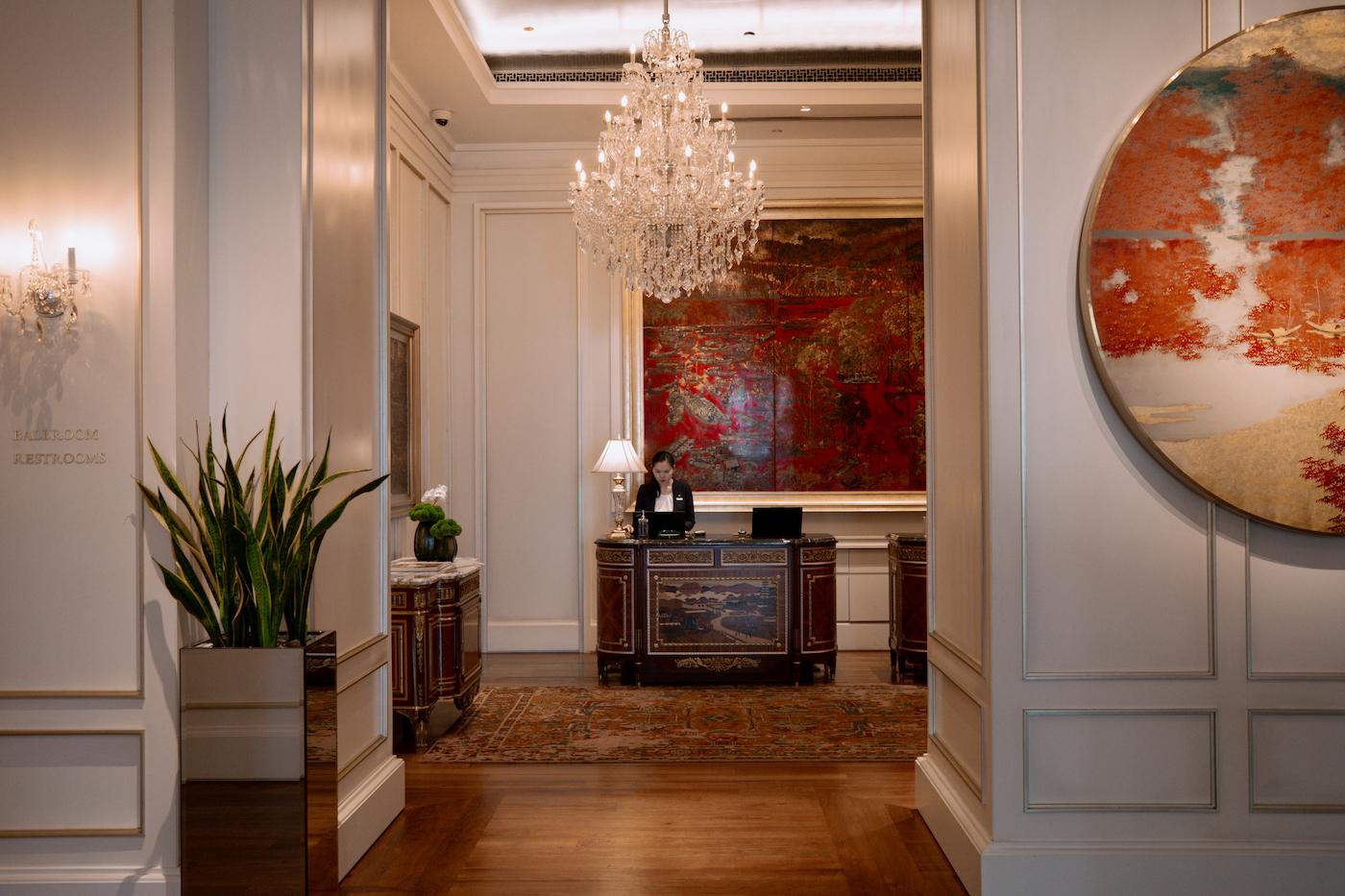
Boutique hotels can increase direct bookings when every inquiry receives a prompt, useful response across phone, chat, and email. A polished website and booking engine support that effort, but high-value reservations often depend on a conversation before a guest commits.
The practical ideas shared in the Boutique Hotel Playbook reflect a broader operating truth: strong hospitality starts well before check-in. Startups that treat inquiry handling as part of the guest experience can capture more revenue without relying as heavily on third-party booking platforms.
The True Cost of Lost Inquiries
A missed inquiry costs more than one room night. If a caller wants a four-night anniversary stay with a suite upgrade, airport pickup and spa appointments, losing that conversation may erase thousands of dollars in potential revenue. The hotel also loses the guest’s future stays and referrals.
Track abandoned calls, unanswered messages, and response times by channel. Then estimate the booking value attached to each lead. The direct booking playbook also highlights the value of clear website messaging and exclusive direct-booking benefits. These details give guests a reason to contact the property and complete their reservation without an intermediary.
Why Self-Service Fails High-Value Guests
Self-service works well for a traveler who knows the dates, room type, and number of guests. It becomes less effective when the reservation involves connecting rooms, accessibility needs, celebration arrangements, or uncertain travel plans. A positive customer experience depends on making every interaction helpful, from the first inquiry to the final booking. As discussed in this article on why customer experience drives business success, prompt and helpful communication can influence whether a potential customer chooses to move forward.
Review the questions that cause guests to abandon the booking engine or call the front desk. Build clear online answers for simple issues, then offer an easy path to human support for complex requests. If employees can’t answer calls around the clock, a hotel call center can provide trained agents to handle reservation inquiries, answer guest questions, and capture booking opportunities outside normal front-desk hours. Give the service accurate room details, policies, and escalation rules so its responses remain consistent with your property’s standards.
Bridging the Voice Reservation Gap
Phone reservations need a defined process, especially when several employees share responsibility for them. Create a short call guide covering dates, party size, room preferences, and the reason for the trip. Staff should also confirm contact details and explain the next step before ending the call.
Connect phone activity with your property management or customer relationship system whenever possible. A guest who calls at 9 p.m. shouldn’t need to repeat the full request in an email the next morning. Record the source of each inquiry, its outcome, and any follow-up deadline. Managers can then spot common objections, coach employees, and update website content that’s creating confusion.
Automating Routine Guest Touchpoints
Automation gives a small team more time for conversations that require judgment. Start with predictable messages such as reservation confirmations, payment reminders, pre-arrival instructions, and post-stay feedback requests.
Keep each message focused on the guest’s next action. For example, a pre-arrival email sent three days before check-in might confirm arrival time, explain parking, and provide a link for dietary or accessibility requests. Set alerts for replies containing urgent terms or unusual questions so a person can step in quickly.
Test every automated sequence as if you were the guest. Check timing, mobile formatting, and booking details. Messages should also identify a clear contact option because automation works best when guests can reach a person without searching.
Measuring Direct Booking ROI
Measure direct booking performance with a small set of numbers that connect service activity to revenue. Useful metrics include inquiry-to-booking conversion, average booking value, response time, booking engine abandonment, and the share of reservations made directly.
Separate results by phone, email, and chat. For example, if 100 qualified calls produce 30 reservations with an average value of $900, the hotel generates $27,000 in booked revenue from those calls. Compare that figure with staffing, technology, and service costs to understand whether the inquiry-handling process is producing a worthwhile return. You should also track cancellations and repeat stays since a channel that produces loyal guests may be more valuable than its initial conversion rate suggests.
Review the data monthly and listen to a sample of inquiry calls. The most useful improvement may be a clearer policy answer, faster evening coverage, or one better follow-up message sent while the guest is still deciding.