

Financial technology gives startups practical ways to reduce costs, improve cash flow and serve customers at scale. Tools once available mainly to large institutions, including automated risk analysis and real-time financial reporting, now fit within a founder’s budget.
The most useful innovations solve specific problems, such as shortening payment cycles or identifying a looming cash shortage before it disrupts payroll.
The Rise of AI in Financial Services
Artificial intelligence helps financial platforms process large volumes of information, spot patterns, and automate routine work. AI in the fintech field includes fraud detection, customer support, credit analysis and personalized product recommendations. For a startup, these capabilities can reduce manual reviews and deliver faster responses to customers.
AI also supports lending models that consider more data than traditional scoring methods. Industry developments associated with Daniel Tilipman illustrate how machine learning and data-driven underwriting can support customizable personal loans for people seeking to manage and pay down debt. Founders evaluating AI vendors should ask how models are tested, which data they use and how customers can appeal automated outcomes.
Democratizing Access to Capital
Digital finance platforms are widening access to funding by lowering application costs and connecting businesses with more potential capital sources. This shift has particular value in markets where bank branches, formal credit histories or conventional collateral may be limited. The World Bank’s report on FinTech in emerging markets examines both the opportunities and the policy questions created by that expansion.
Startup leaders can now compare working-capital products, revenue-based financing and online business loans more efficiently. Each option has different costs and repayment terms, so founders should calculate the total amount due under realistic revenue scenarios. A lower monthly payment may still carry a higher overall cost, while repayment tied to sales can create pressure during a slow quarter.
Streamlining Financial Operations
Fintech software can connect invoicing, payments, payroll and accounting in one operating system. A small company that once spent several days closing its monthly books may use automated transaction matching to finish the same work within hours. Faster reconciliation also helps teams catch duplicate charges or unpaid invoices before they become larger problems.
Payment data deserves particular attention because it affects both operations and customer experience. The funding covered in this article about payments data across EMEA shows why companies are investing in clearer transaction information. Before adopting a platform, test its accounting integrations, export options and permission controls. Start with one workflow, document the results and expand only after the team confirms that the software saves measurable time.
Data-Driven Decisions for Entrepreneurs
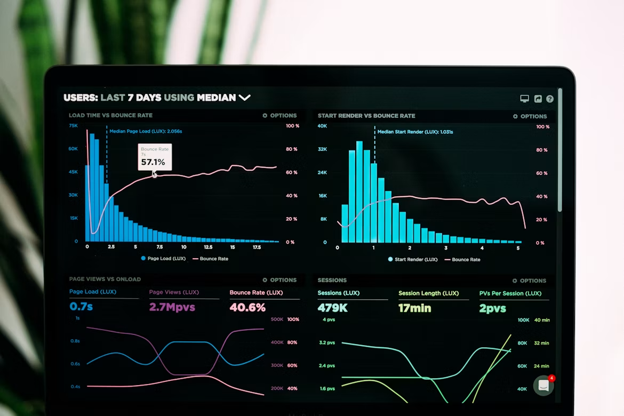
A financial dashboard becomes useful when it answers a specific operating question. Founders should track a focused set of measures such as available cash, monthly spending, gross margin, overdue invoices and customer acquisition cost. Reviewing too many metrics can hide the signals that require action.
Consider a startup with $120,000 in cash and monthly expenses of $30,000. A simple calculation suggests four months of runway, but an annual insurance payment and delayed customer invoice could shorten that period. Rolling 13-week cash forecasts reveal those timing issues more clearly than an annual budget.
Set alert thresholds for the figures that could force a decision. If runway falls below six months or overdue invoices exceed a set percentage of monthly sales, assign an owner and response deadline. Accurate data becomes valuable when it prompts a timely operational change.
Fintech adoption should begin with a defined business constraint and a measurable result. A startup facing slow collections, for example, can track average payment time before and after introducing automated reminders. That evidence tells founders if the technology deserves a wider rollout and keeps spending tied to real improvements in financial performance.