


Outdoor branding gives a growing startup repeated exposure in the same neighborhoods where its customers live, work and shop. A well-placed sign can introduce the company to thousands of people without requiring another social post or paid-search click.
The strongest campaigns start with a clear purpose. Your display might direct visitors to an entrance, explain what’s coming to a work site or build recognition before a new location opens. Once that purpose is clear, design, placement and measurement become much easier.
The Return of Tangible Marketing
Digital campaigns provide speed and detailed targeting, but physical marketing gives a brand a visible presence in the community. People can scroll past an online ad in a fraction of a second. A sign on a familiar commute may appear in front of the same person several times each week, which helps the company name, colors and message become recognizable.
This repeat exposure can be especially useful for startups that serve a defined area. A home service company, fitness studio or local delivery business doesn’t always need national reach. It needs attention from people located within a practical service radius. Thoughtful outdoor advertising tactics can complement search ads, email and social media by reaching potential customers during their normal routines.
Keep the message simple enough to understand in three to five seconds. Use one headline, one clear benefit and one action. A startup opening a coworking space might display “Flexible Offices Opening Soon” with a short web address or QR code. There’s no need to list every membership feature on the sign.
Visual consistency matters too. Use the same logo treatment, brand colors and tone found on your website. Someone who sees your display in the morning should recognize the same business when an online ad appears later that day.
Before ordering anything, print the design on a standard sheet of paper and view it from across the room. If the main message feels crowded at that scale, it will probably be difficult to process outdoors.
Turning Work Perimeters into Billboards
Temporary work areas often occupy high-visibility locations for weeks or months. Blank fencing around those spaces wastes a useful branding opportunity, especially when the company behind the project wants to build awareness before opening day.
Start by identifying what nearby pedestrians and drivers actually need to know. A restaurant under renovation might announce its opening season and direct people to an email signup page. A property company could show a simple rendering, project name and website. Service businesses completing a visible commercial project may use the space to identify their role, provided the property owner approves.
For exposed locations, construction fence banners offer a practical format for displaying a large message while allowing some air to pass through the material. The artwork still needs restraint. One strong image and a short line of copy will usually communicate more effectively than a full catalog of services.
Placement deserves equal attention. Check the primary viewing direction and estimate how long people have to read the display. Pedestrians can absorb more information than drivers, while someone passing through a busy intersection may only register a logo and four or five words. Guidance on effective outdoor advertising also supports the use of readable type, clear contrast and uncluttered layouts.
Secure permission before installation and confirm local sign rules. You should also keep entrances, safety notices and directional signs unobstructed. Branding works best when it improves the appearance of a perimeter without interfering with its practical purpose.
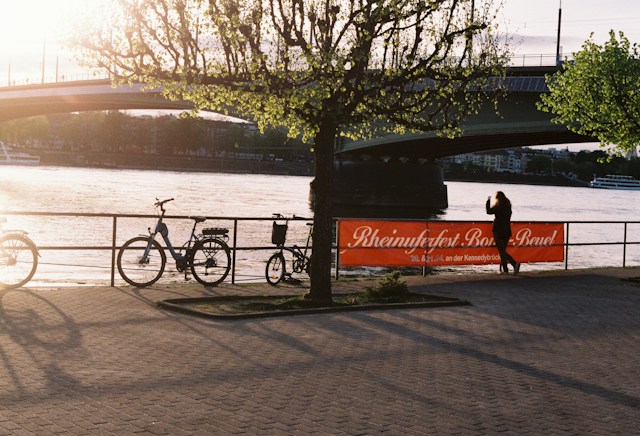
Choosing Materials That Survive the Elements
Outdoor marketing faces conditions that indoor displays never encounter. Sunlight can fade colors, rain can affect poorly finished edges and wind can place considerable stress on attachment points. A low initial price loses its appeal when a display tears or becomes unreadable after a few weeks.
Match the material to the site first. Solid banner material may suit a protected wall or a short-term event in a sheltered area. An open location with frequent wind calls for a format designed to reduce wind load. Ask the printer about outdoor-rated inks, reinforced hems and grommet spacing, then describe where and how long the display will be installed.
Size affects durability as well. A large surface catches more wind, so attachment hardware and support spacing must suit the full dimensions of the piece. Avoid tying a large display at only its corners. Even tension across multiple points can reduce flapping and limit stress along the edges.
Sun exposure should guide color choices. High contrast remains readable as the material ages, while pale text over a detailed photograph may become difficult to see. The broader principles behind visible outdoor marketing emphasize simple creative work that people can recognize quickly.
Set a routine inspection schedule after installation. Check attachments after severe weather and look for loose corners, sagging areas or blocked text. A weekly visual check may take only a few minutes, yet it protects the company’s image. Remove or replace worn materials promptly because a neglected display can send the wrong message about a young business.
Measuring Foot Traffic and Local Reach
Physical marketing can be measured, though the process looks different from reviewing clicks in an online dashboard. Give each placement a trackable response method so you can connect attention to meaningful actions.
A unique landing page is one option. Use a short address created for the campaign and measure visits, form submissions and calls that begin there. A QR code can work for pedestrian areas where people have enough time to stop and scan. Make the code large, test it from several distances and send users to a mobile-friendly page with one clear action.
Dedicated phone numbers and offer codes provide another layer of tracking. A startup promoting an opening could use a location-specific code for early registration. Customer-facing staff can also ask new leads how they heard about the company and record responses in the customer relationship management system. This simple question helps capture people who saw the display but later searched for the brand by name.
Compare results across meaningful periods. Track at least two to four weeks for a fixed display, since one busy afternoon won’t represent normal exposure. Note changes caused by weather, nearby events or altered traffic patterns. Practical examples of outdoor marketing measurement also show why visibility should connect to a broader local campaign.
Don’t judge performance on impressions alone. Watch for branded search traffic, direct website visits, inquiries and completed sales. If one location produces many scans but few conversions, the landing page or offer may need work. If another generates little traffic, adjust the message or move the display before changing the entire campaign.
A simple tracking sheet can record location, installation date, creative version, visits, leads and sales. After a few campaigns, those numbers reveal which streets, messages and formats deserve more of your budget.
Outdoor branding earns its place when each display has a specific job and a way to prove its value. Before sending the next design to print, view it from the audience’s likely distance, confirm the installation details and assign a unique tracking method. Those three checks can turn an ordinary perimeter into a dependable source of local recognition.