

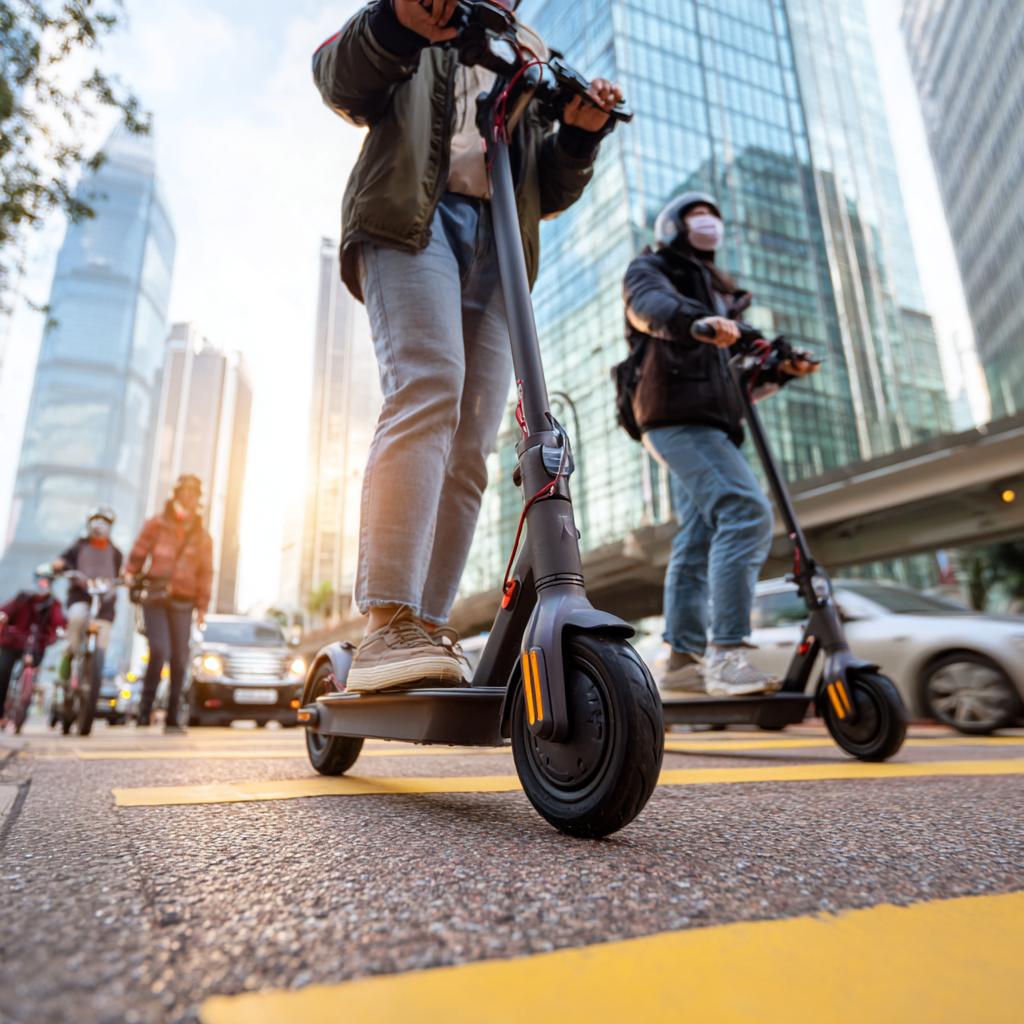
Urban transportation is rapidly evolving as cities search for more efficient, affordable, and eco-friendly ways to move people. Traffic congestion, rising fuel costs, and environmental concerns have pushed commuters to explore alternative options. Among the most popular solutions today are electric scooters, which are transforming how people navigate busy city streets.
What Are Electric Scooters?
In many urban areas, electric scooters have become a common sight, offering a convenient and flexible mode of transportation. These battery-powered vehicles are designed for short-distance travel and are often used for commuting, running errands, or connecting to public transit.
Electric scooters are lightweight, easy to operate, and can be rented through mobile apps or owned for personal use. Their compact design makes them ideal for navigating crowded streets and tight spaces, giving riders a practical alternative to cars and public transportation.
Key Reasons Behind Their Growing Popularity
The increasing demand for electric scooters is driven by several important factors that appeal to modern commuters.
Cost-Effective Transportation
Compared to owning a car or even using ride-sharing services regularly, electric scooters are much more affordable. They require minimal maintenance, and charging costs are significantly lower than fuel expenses. For daily commuters, this translates into substantial savings over time.
Eco-Friendly Alternative
As cities aim to reduce carbon emissions, electric scooters provide a cleaner mode of transport. Since they run on electricity, they produce zero direct emissions, making them an environmentally responsible choice for short trips.
Convenience and Flexibility
Electric scooters are highly convenient, especially in densely populated areas. Riders can easily pick one up, travel to their destination, and park it without worrying about finding a large parking space. This flexibility makes them ideal for short commutes and last-mile connectivity.
Benefits for Urban Mobility
Electric scooters are not just a trend—they are actively improving urban transportation systems.
Reduced Traffic Congestion
By replacing short car trips, electric scooters help reduce the number of vehicles on the road. This contributes to less traffic congestion and smoother traffic flow in busy cities.
Easy Integration with Public Transport
Many commuters use electric scooters to bridge the gap between their homes and public transportation hubs. This “last-mile” solution makes it easier to complete journeys without relying entirely on cars.
Accessibility for a Wide Range of Users
Electric scooters are user-friendly and accessible to a broad group of people. Their simple controls and lightweight design make them suitable for both young adults and older riders.
Challenges to Consider
Despite their benefits, electric scooters also come with certain challenges.
Safety Concerns
Riders must follow traffic rules and wear protective gear to minimize the risk of accidents. Cities are also working to improve infrastructure, such as bike lanes, to accommodate scooter users safely.
Regulations and Policies
Different cities have varying regulations regarding scooter usage, parking, and speed limits. Understanding local laws is essential for both riders and service providers.
Conclusion
Electric scooters are quickly becoming a key part of urban transportation, offering a cost-effective, eco-friendly, and convenient way to travel. Their ability to reduce traffic congestion and improve last-mile connectivity makes them a valuable addition to modern cities.
As technology continues to advance and infrastructure improves, electric scooters are likely to play an even bigger role in shaping the future of transportation. For urban commuters looking for a smarter way to get around, they provide a practical and sustainable solution that meets the demands of modern city life.