

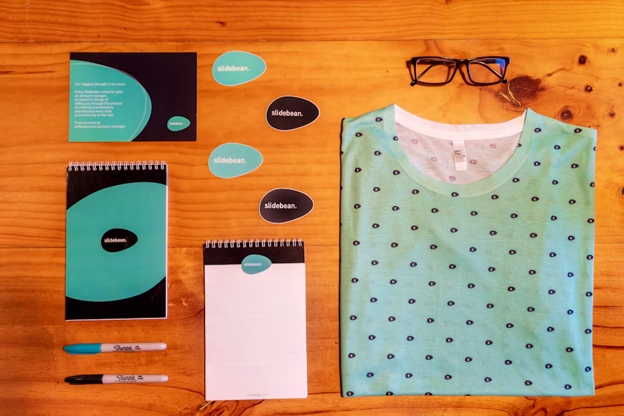
Physical branding gives investors evidence of how carefully your company manages its reputation. A strong pitch deck can explain market potential, yet every physical touchpoint also communicates something about execution, consistency, and commercial maturity.
Printed materials, packaging, signage and event displays may seem minor beside revenue forecasts. Still, these details shape how people interpret the larger story. When your physical presence looks improvised or disconnected from your digital identity, investors may question how reliably the business can deliver a premium customer experience at scale.
The Subtle Clues Investors Scrutinize
Investors notice how you present information before they assess every number. Inconsistent colors, blurry logos, and dated sales materials can suggest that brand management lacks ownership. Even small issues, such as several versions of the same company description, raise questions about internal alignment.
The connection between branding and investor decisions becomes especially relevant for early-stage companies, where backers have limited operating history to examine. Audit the materials used in meetings, trade shows, and customer onboarding. Check that contact details are current, print quality is consistent, and every item supports the same market position. Those signals help investors see an organized business instead of a promising idea with unfinished systems.
Perception Dictates Pricing Power
A company claiming premium status needs physical materials that make the price feel credible. If a consultant charges $10,000 for an engagement but hands prospects a thin, poorly printed card, that mismatch can weaken the sales conversation. The same principle applies to product inserts, proposal folders, and retail packaging.
Research into brand value measurement shows why leaders should connect brand investment to commercial metrics. Track average selling price, proposal acceptance, and repeat purchases before and after a branding update. For high-value meetings, details such as painted edge business cards can support a distinctive visual identity through thick cardstock and customized edge color. Select materials that reflect your actual positioning and customer expectations.
Tangible Details That Signal Quality
Physical branding works best when each choice has a clear purpose. Paper weight can suggest permanence, while a precise color match reinforces recognition across locations. Clean typography helps clients scan information quickly, and durable packaging reduces the chance that a product arrives looking neglected.
Create simple production standards for your most visible items. Record approved colors, logo spacing, paper specifications, and finishing choices in one shared document. Ask vendors for samples before placing large orders, then inspect the first production run under normal office and retail lighting. A growing software firm preparing for a funding round, for example, might standardize its event booth, executive stationery, and printed product guide six weeks before investor meetings. That schedule leaves time to fix quality problems without rushed reprints.
Unify Your Digital and Offline Presence
Your website and physical materials should feel like parts of one company. Use the same core message, visual hierarchy, and customer promise across both formats. A visitor who scans a QR code on an event handout should reach a current page that continues the conversation, not an outdated campaign or generic homepage.
Review physical assets whenever you update your website, pricing, or company name. This discipline matters during a rebrand, when old documents can circulate for months. The account of Certain Energy’s rebrand illustrates how a new identity can accompany a major business milestone. Maintain an inventory of brochures, signs, and templates so your team knows what to replace and when. Assign one person to approve new materials.
Defend Your Value in Negotiations
Branding supports valuation when you can connect it to repeatable business results. Gather evidence such as higher conversion rates after a packaging redesign, shorter sales cycles following a proposal refresh, or stronger event lead quality after standardizing displays. Investors will give more weight to measured outcomes than to personal opinions about appearance.
Prepare a short brand evidence file for due diligence. Include current guidelines, customer survey results, trademark records where relevant, and performance data from major brand changes. Explain who controls approvals and how vendors maintain consistency as order volume grows. This turns physical branding into proof of an operating system that can scale.
Before your next investor meeting, place the presentation, printed collateral, and follow-up materials side by side. Any item that tells a different story deserves attention before it reaches the room.