

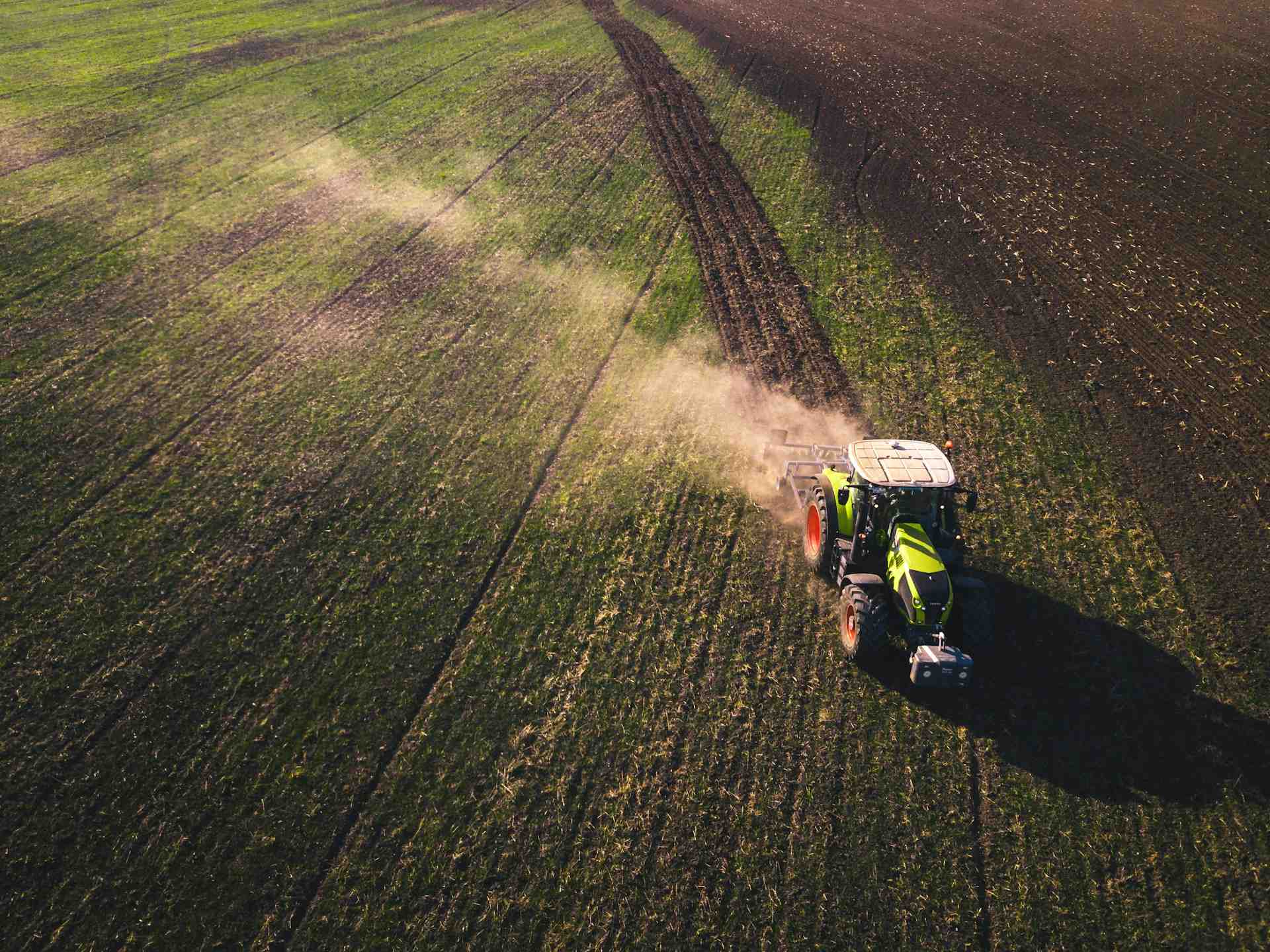
Long-term agricultural growth depends on more than a productive season or strong commodity prices. Your enterprise needs reliable cash flow, a tax strategy that reflects current law, an ownership structure that can support expansion and a clear plan for future leadership. These elements are closely connected. A major equipment purchase may reduce taxes but strain working capital, while unclear ownership can delay both financing and succession. Reviewing the business as one operating system helps you find risks before they interrupt growth.
Evaluating Operational Cash Flow
Start with monthly cash flow projections that reflect when income arrives and when major bills come due. Annual profit can hide seasonal pressure, especially when input costs must be paid several months before crops or livestock generate revenue. Track operating cash flow separately from financing proceeds, asset sales and owner contributions so you can see whether normal operations support the enterprise.
Build at least three projections based on conservative, expected and favorable prices. If a 10 percent revenue decline would force you to refinance routine expenses, the business may need more working capital or lower fixed costs. Guidance on strategic farm finance also shows why profitable periods are a good time to strengthen liquidity and prepare for future tax obligations. Cash flow forecasting and financial planning can also help you anticipate financial shortfalls and make informed decisions before they affect daily operations.
Adapting to Fiscal Policy Updates
Review tax policy before committing to equipment purchases, entity changes or large distributions. Rules affecting depreciation, qualified business income and estate planning can change the timing and total cost of a decision. A purchase that creates a valuable deduction this year could still be a poor choice if the payment schedule weakens cash reserves.
Use current information about new tax changes for farmers as a starting point, then discuss the enterprise’s specific facts with a qualified tax adviser. Bring updated income projections, existing depreciation schedules and planned capital purchases to that meeting. This allows the adviser to compare options, such as buying in December or waiting until January, using actual numbers instead of broad assumptions.
Structuring Scalable Asset Ownership
Separate the value of land, equipment and operations when evaluating ownership. One family entity might own land and lease it to the operating business, while another entity holds machinery used across several locations. This type of structure can clarify expenses and support succession, though it also creates legal, accounting and insurance responsibilities that need careful coordination.
Document every lease, repayment obligation and shared-cost arrangement. For example, if two related businesses use a $250,000 machine, record how fuel, repairs, storage and depreciation are allocated. Lenders and future owners need to understand those obligations. Before restructuring assets, ask legal and tax professionals to review liability exposure, financing terms and transfer consequences. Growth becomes harder when ownership records depend on verbal agreements or outdated valuations.
Planning an Orderly Leadership Handover
Leadership transition should begin years before the senior operator expects to step back. Identify who will manage employees, approve purchases and communicate with lenders during the transition. Ownership and management can move on different schedules, so a successor may take responsibility for daily decisions before receiving a controlling interest.
A written plan should include training milestones, compensation changes and a process for resolving disagreements. The University of Wisconsin’s guidance on long-term farm viability highlights the value of assessing management capacity alongside financial performance. Test the plan by giving the successor authority over a defined area, such as the annual input budget, then review the results. This reveals skill gaps while the current leader is still available to coach and correct.
A durable agricultural enterprise should be able to explain where its cash comes from, how policy changes affect upcoming decisions, who owns each major asset and who has authority when leadership changes. Put those answers into current financial records and signed agreements. When the next expansion, tax deadline or transition arrives, the business will have facts to work from instead of assumptions.