
The Next Era of Organic Visibility-Why Entrepreneurs Need AI Search Optimization

Search visibility now extends beyond a familiar list of blue links. Customers increasingly receive direct answers from AI assistants, search summaries, and map-based discovery tools that interpret intent before recommending a business.
For entrepreneurs, this shift changes how content earns attention. Traditional SEO remains valuable, but pages also need clear facts, meaningful context, and consistent business information that automated systems can understand. Companies that prepare now have a better chance of appearing wherever customers ask questions.
Search engines are becoming answer engines
Search platforms once relied heavily on matching typed keywords with relevant pages. Newer systems can interpret conversational requests, compare multiple sources, and present a summarized response. A customer might ask for a nearby service provider that offers weekend appointments, then receive several suggested businesses without visiting a traditional results page.
This evolution requires a broader view of optimization. As this overview of AI and SEO explains, artificial intelligence is influencing keyword research, content creation and the way users discover information. Entrepreneurs still need technically sound websites, but search systems also need enough context to understand who the company serves, what it offers and why a particular page answers the user’s request.
Build a foundation AI systems can understand
Start with the information customers need to choose your business. Service pages should clearly explain what you provide, where you operate, who the service suits, and what a customer can expect. Avoid vague phrases such as “quality solutions” when you could name a service, turnaround time, or coverage area.
Local businesses may benefit from professional AI Search Optimization when their website content, Google Business Profile, and local search presence need to communicate the same clear facts. Consistency matters because automated systems compare information across multiple sources. Conflicting hours, outdated locations, or several versions of a company name can weaken confidence in the data.
Each important service should also have a dedicated page with a descriptive title, direct explanation, and relevant contact path.
Write for specific customer questions
Generic articles face strong competition and rarely demonstrate firsthand business knowledge. Build content around questions that come up during sales calls, consultations, and customer support conversations.
A home service company, for example, could explain how long a typical appointment takes, what customers should do beforehand, and which warning signs call for professional attention. A software consultant might publish a clear comparison of setup options for a team of 10 employees. These details help people while giving search systems concrete passages to reference.
Organize each page so its main answer appears early. Use headings that describe the question being addressed, define unfamiliar terms, and include examples where they clarify the advice. Entrepreneur Loop’s look at semantic search in online shopping offers a practical example of systems matching user meaning with more relevant results.
Local visibility needs special attention
AI-driven discovery can affect businesses that depend on customers within a defined service area. Search systems may consider location, reviews, business categories, and service details before suggesting a nearby option. Coverage of AI-powered local search shows why accurate data and clear local relevance are becoming more significant.
Review your Google Business Profile and primary website pages every quarter. Confirm that operating hours, phone numbers, and service areas are current. Add new photos when they genuinely represent the business and respond professionally to customer reviews.
Location pages should contain useful local details instead of repeating one template with a different city name. Explain actual availability, service boundaries, and any location-specific process a customer needs to know.
Measure visibility beyond rankings
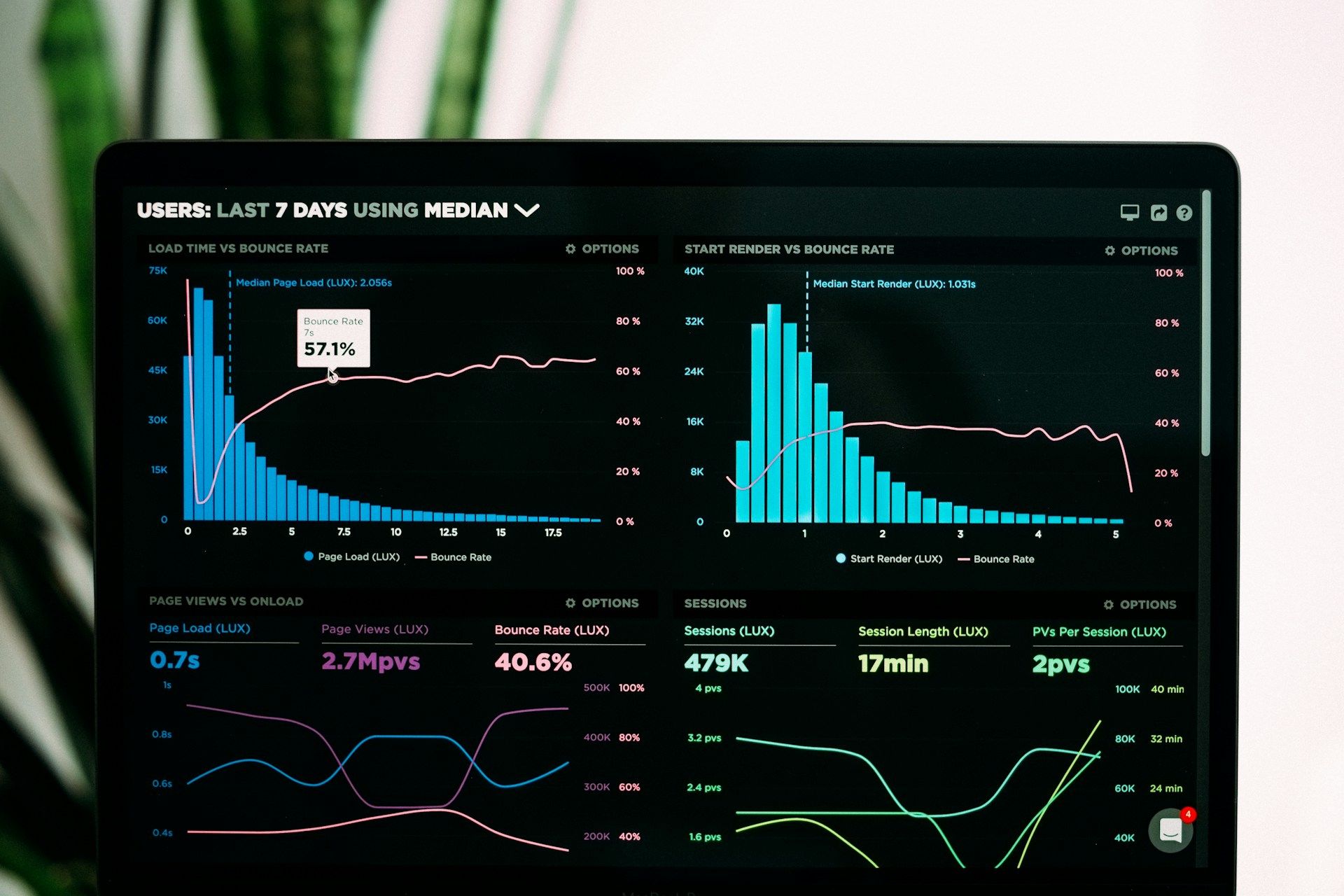
A single keyword ranking no longer tells the full story. Track organic traffic and conversions, but also watch branded searches, calls from local listings, and visits to high-intent service pages. These signals show whether people can discover the business and take a meaningful next step.
Search Google for several natural questions customers might ask. Check whether your pages appear, whether competing companies offer clearer answers, and whether AI-generated summaries describe your services accurately. Record the results monthly because visibility may vary as systems test different sources.
Google Search Console can reveal which longer conversational queries already bring impressions. Those phrases often identify useful content gaps. If visitors repeatedly search for pricing factors or service timelines, add direct explanations to the most relevant page instead of creating thin articles for every phrase.
Keep authority grounded in real experience
Automated publishing makes it easy to produce large amounts of ordinary content. Entrepreneurs can stand out by contributing details that come from actual operations, such as common customer mistakes, realistic timelines, and explanations of how a service decision gets made.
Review every page for accuracy before publishing it. Name the author when relevant, update dated claims, and support factual statements with dependable sources. Customer case studies can also demonstrate experience when they protect private information and avoid exaggerated results.
The next era of organic visibility will reward businesses that are easy to understand and easy to verify. A practical place to begin is your highest-traffic service page: confirm that it clearly states the service, audience, location, and next step using the same facts customers find elsewhere online.