

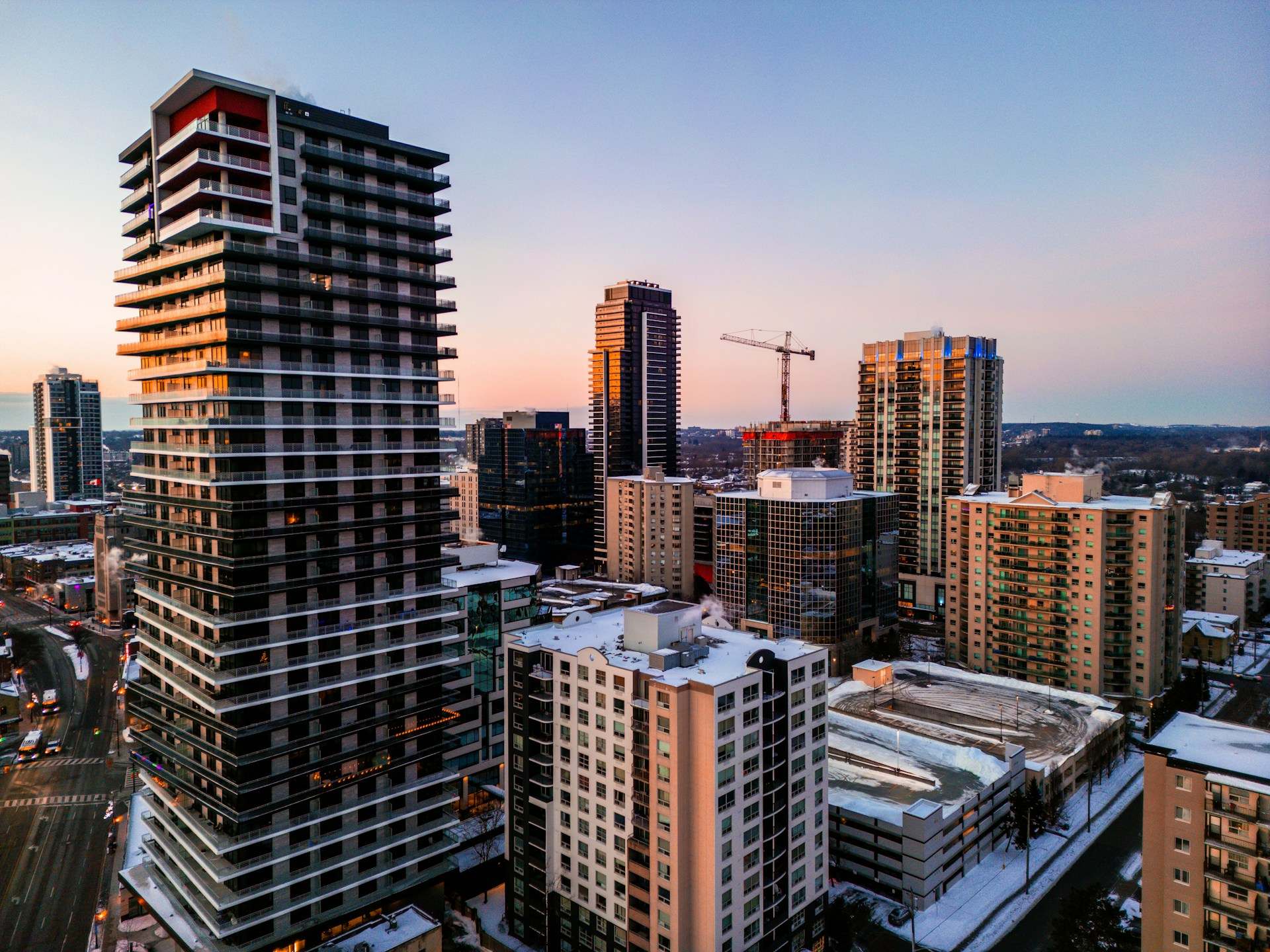
Cold weather can turn a well-planned commercial development into an expensive holding pattern. Low temperatures, snow, and moisture affect labor productivity, material performance, and site access, while every lost day can push revenue-producing occupancy further away. Developers who treat winter conditions as a predictable project risk can protect schedules and control costs more effectively than teams that respond after work has already slowed.
A winter plan should connect the construction schedule, temporary heat strategy, and material requirements. That coordination gives project leaders clear thresholds for action and helps them identify which costs deserve attention first.
The Hidden Bill for Idle Labor
Idle labor costs extend well beyond wages paid during a shutdown. Crews may arrive but complete less work because they must clear snow, protect surfaces, or wait for a safe temperature window. Subcontractors can also move workers to other projects when delays become frequent, leaving the site understaffed when conditions improve. Effective scheduling and coordination are essential to reducing these disruptions, and construction project management solutions can help teams improve subcontractor coordination, monitor project progress, and manage resources more effectively.
A simple cost model can reveal the financial exposure. Suppose 25 workers lose two productive hours per day over a 10-day cold period. That equals 500 labor hours before accounting for supervisors, rented access equipment, or remobilization. The loss becomes larger if the delayed work prevents another trade from starting.
Overhead continues during these disruptions. Site offices remain open, security contracts stay active, and rented machinery keeps accumulating charges. Developers may also face extended insurance, financing, and project administration expenses. A detailed review of hidden delay costs shows why apparently small schedule slips can spread across a commercial project.
Track weather-related downtime by crew, task, and cause. Daily reports should separate complete shutdowns from reduced productivity so you can see recurring trouble spots. If crews repeatedly wait for enclosed areas to reach workable conditions, the issue may justify a planned heating expense instead of continued labor loss.
Material Curing and Temperature Hazards
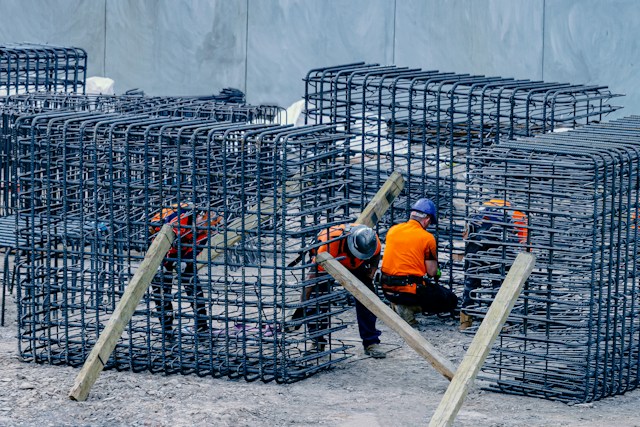
Many construction materials depend on specific temperature ranges during installation and curing. Concrete placed in cold conditions can develop strength more slowly, while freezing before adequate strength develops may cause permanent damage. Adhesives, coatings, sealants, and flooring systems can also fail when the air, substrate, or material temperature falls outside manufacturer requirements.
Surface temperature deserves as much attention as ambient air. A heated room may still contain a cold slab or exterior wall that causes condensation and interferes with bonding. Project teams should record both measurements at the work area, then maintain the required conditions for the full cure period. The practical steps in this cold-weather building guide include planning considerations for materials, equipment, and worker conditions.
Temporary heat should enter the discussion during look-ahead planning, before a scheduled installation reaches its temperature limit. Project managers evaluating construction site heating equipment can consider flameless temporary systems designed to distribute heat over long distances with high static pressure in extreme or remote conditions. The appropriate setup depends on enclosure size, air leakage, outside temperature, and the amount of ducting needed.
Request written temperature requirements from manufacturers and place them directly in the work plan. Assign responsibility for monitoring conditions after the crew leaves, especially overnight. Data loggers can document temperature changes throughout the cure period and provide evidence that required conditions were maintained. If readings fall below the specified range, contact the material representative before covering or loading the work.
Deploying Modern Construction Site Heating Equipment
Temporary heating works best as an engineered site system, not an emergency rental placed wherever space remains. Start with the required indoor temperature, expected outdoor low, building volume, and estimated air changes. Account for open loading areas, unfinished roof sections, and frequent door movement because each one increases heat loss.
Distribution is often the harder problem. One warm area near a heater doesn’t prove that distant rooms, upper levels, or floor surfaces have reached the required temperature. Plan duct routes and discharge points around the active work zones. Keep them protected from traffic and verify that the system can deliver sufficient airflow through the full duct length.
A useful deployment plan covers several operating details:
- Assign one person to check temperatures at representative locations.
- Set inspection times for fuel levels, ducts, controls, and air inlets.
- Maintain clear access for service and refueling.
- Use backup capacity for activities that can’t tolerate an overnight temperature drop.
- Coordinate the heating layout with deliveries and changing interior partitions.
Safety requirements must remain part of daily site control. Follow equipment instructions, maintain ventilation where required, and keep combustible materials away from hot surfaces and discharge areas. Electrical supply, fuel storage, and exhaust arrangements should be reviewed before startup.
Compare the full cost of each option, including delivery, setup, fuel, service, and required supervision. A system with lower fuel consumption may provide meaningful savings over several weeks, while better distribution can reduce the number of units needed. The best measure is the cost per day of maintaining usable conditions across the actual work area, not the rental rate shown on a single equipment line.
Guarding the Critical Milestone Path
Winter risk becomes most expensive when it reaches the project’s critical milestone path. A short delay to enclosure can postpone interior climate control, finishes, inspections, and tenant installation. Research on weather-related construction delays also demonstrates why weather effects should be considered in project planning instead of treated as isolated surprises.
Map winter-sensitive tasks onto the schedule before the cold season starts. Identify activities that require minimum temperatures, dry substrates, or clear exterior access. Then connect each activity to the milestone it could affect. This exercise helps the team focus resources on schedule drivers instead of spending equally across every site operation.
Use two-week and six-week look-ahead schedules together. The six-week view provides time to reserve heating capacity, complete enclosures, and adjust procurement. The two-week view should add forecast information, current site conditions, and firm decisions about protection measures. Define action thresholds in advance, such as deploying temporary heat when the forecast falls below a material limit for two consecutive nights.
Developers should also examine contract notices and documentation procedures before delays occur. Daily logs need weather readings, photographs, workforce counts, and descriptions of affected activities. Accurate records help project leaders distinguish unavoidable weather events from delays that could have been reduced through planning.
The strongest winter schedule contains recovery options. Resequence interior work where practical, secure alternate delivery dates, and protect a small amount of float around high-risk milestones. When the forecast changes, the team can then select a prepared response instead of improvising under deadline pressure. That discipline may be what keeps enclosure, curing, and turnover dates aligned through the coldest part of the calendar.