

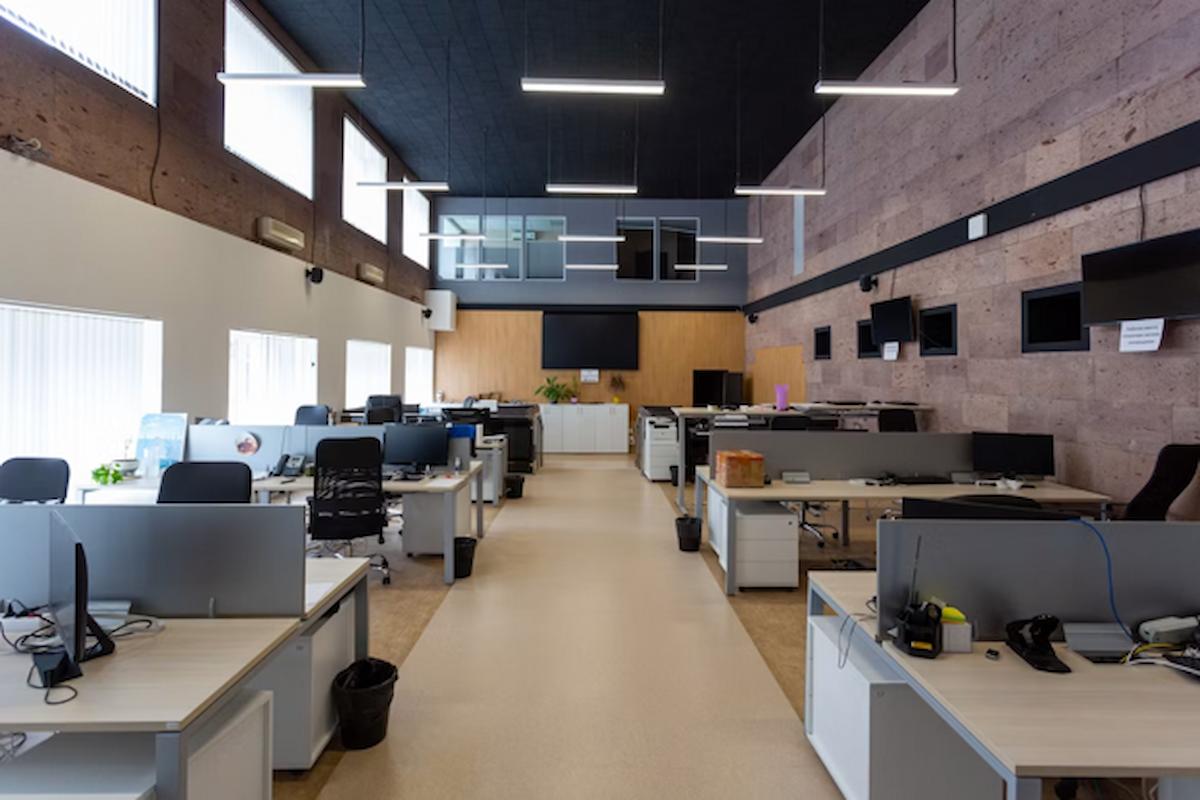
A workplace that’s designed well and runs smoothly helps operations hum along, while a safe one protects your most important asset: your people. Finding that sweet spot between efficiency and safety isn’t just a good idea; it’s a core part of running a successful business that can handle anything.
Making your space work better means looking at everything, from how people walk through it every day to what happens if there’s an emergency. By thinking smart about design, protection systems, and technology, you can create an environment that’s both super functional and truly secure.
Design for Dual Purpose: Safety and Flow
When you’re designing or updating a commercial space, it’s easy to get caught up in how it looks and how work gets done. But the best designs weave safety in right from the start. A layout that naturally guides people through their daily tasks often doubles as a clear, easy-to-follow escape route. Take a moment to think about the paths your employees and customers use every day. Are they wide, clear, and well-lit?
Hallways crammed with stuff, furniture in awkward spots, and blocked exits don’t just slow things down; they create serious dangers if there’s an emergency. Good design makes sure escape routes are always open. This idea fits right in with modern fire protection design practices that focus on layouts that are intuitive and easy for everyone to use. Simple changes, like organizing storage to keep walkways clear or using floor markings to guide traffic, can make a big difference for both daily efficiency and emergency readiness.
The Role of Passive Fire Protection
Sure, active systems like sprinklers and alarms are super important, but passive fire protection works quietly behind the scenes to contain a fire and slow it down. This means using materials and construction methods that resist fire, like fire-rated walls, doors, and flooring. The whole point is to divide a building into compartments, creating barriers that limit damage and give people more time to get out safely. This strategy is a key part of performance-based fire protection, customizing safety measures based on how a building is used and what risks it faces.
Today’s solutions offer clever ways to do this without messing up an open-plan design. For example, fire curtains are fabric barriers that stay hidden in the ceiling until a fire alarm goes off. They automatically drop down to create a fire-rated wall, sectioning off big areas like atriums or open offices. When you’re thinking about these advanced systems, it’s smart to chat with a professional fire curtain installer to make sure everything meets regulations and is properly integrated into your building’s overall safety plan.
Smart Solutions for Modern Buildings
Technology gives us some powerful tools to boost both safety and efficiency in a commercial space. Smart building systems can automate and fine-tune everything from lighting and climate control to security and access. For instance, motion-activated lights save energy in empty areas, while smart thermostats adjust temperatures based on who’s around, cutting down on heating and cooling bills.
When it comes to safety, integrated smart systems offer a whole new level of awareness and control. Smart security cameras can send alerts if something unusual happens, and access control systems can automatically lock down certain areas during a security event. If there’s a fire, a smart system could automatically unlock emergency exits, shut down the HVAC to stop smoke from spreading, and even tell emergency services exactly where the problem is. These solutions work together to create a responsive, intelligent environment that keeps your property and your team safe.
Minimizing Disruption During Upgrades
Upgrading your commercial space for safety and efficiency is a smart investment, but it doesn’t have to bring your business to a screeching halt. With some careful planning, you can keep disruptions to a minimum and keep things running smoothly throughout the project. The first step is to clearly talk to your team about what’s coming, the timeline, and any temporary changes to their workspace or routines.
Whenever you can, schedule the most disruptive work, like big construction or system installations, outside of regular business hours. Working with contractors who understand the need to keep your business going is crucial. They can often break the project into phases, tackling one section of the building at a time so other areas stay fully functional. For smaller upgrades, simple tricks like setting up temporary workstations or rerouting foot traffic can keep your team productive while improvements are underway.
Being proactive about optimizing your commercial space really pays off, both in how well things run day-to-day and in your long-term security. By building safety into your design and embracing modern solutions, you’re creating a stronger, more resilient business from the ground up.