
eYou Raises €300K: A European Startup’s Battle Against Social Media Disinformation

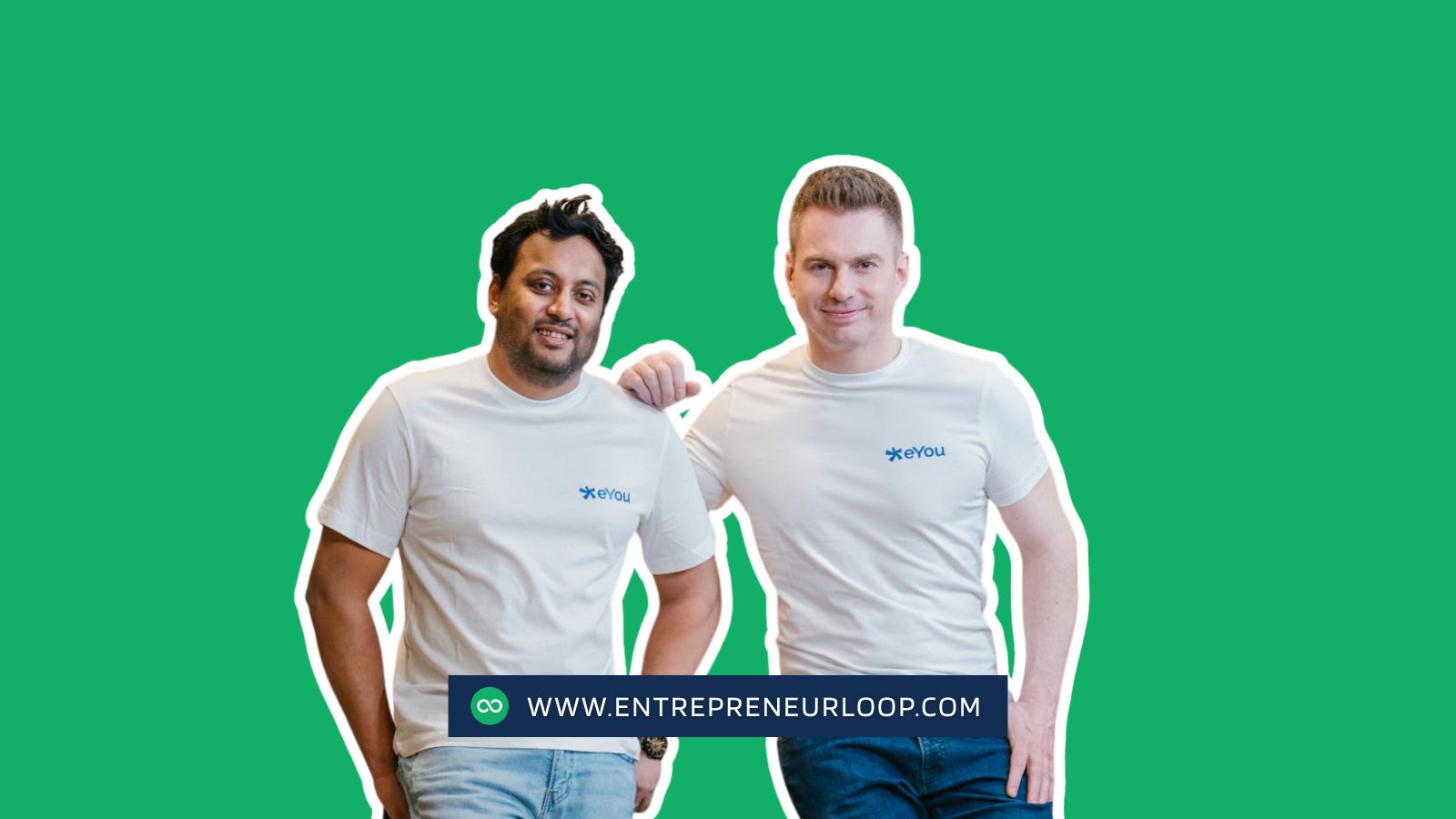
A 2025 global survey found that 70% of respondents struggle to trust online information because they cannot determine whether it was generated by AI — and into that crisis of confidence steps eYou. The Bucharest-based startup has secured €300,000 in pre-seed funding from Fil Rouge Capital, the Croatian-founded early-stage venture fund that expanded into Romania in 2025, to build a social media platform that embeds real-time fact-checking directly into the user experience. Social media disinformation isn’t just a policy headache anymore. It’s a design failure — and eYou is betting that a better-designed platform can fix it.
This is not another clone. It’s a rethink.
Social Media Disinformation: A Crisis That’s Only Getting Worse
The numbers are staggering. A 2024 study by Indiana University found that just 0.25% of X users were responsible for between 73% and 78% of all tweets considered low-credibility or misinformation. A vanishingly small group of accounts fuels the overwhelming majority of the harm.
The problem extends far beyond one platform. Today, 86% of U.S. adults report getting their news at least partially from digital devices, and 54% get at least some of their news from social media. During the 2024 U.S. elections, misinformation posts on X surged by nearly 240% in the 48 hours before and after Election Day. Meanwhile, in Europe, a 2023 Eurobarometer survey found that 53% of EU citizens reported encountering disinformation “very often or often in the past seven days,” and the most frequently cited threat to democracy was “false and/or misleading information circulating online and offline.”
In 2025, algorithmic amplification accounted for 64% of total engagement on misinformation content across major platforms. Algorithms reward emotional content. False content is often more emotional than truth. That is the core of the machine — and it is precisely why combating fake news online cannot be achieved through moderation alone. It demands a structural response.
What Is eYou? Europe’s Trust-First Social Platform
eYou was founded by Grégoire Vigroux (CCO) and Jasseem Allybokus (CEO), two French entrepreneurs who have been based in Romania for more than a decade and chose Bucharest as the launchpad for the European-scale social media initiative. The platform aims to create an alternative to X and Facebook, with integrated AI fact-checking and transparent algorithms, with a public launch planned for May 2026.
At a fundamental level, the motivation is a gap: Europe has no major global social media platform of its own, meaning European public conversations are largely shaped by foreign-owned companies operating under non-European legal frameworks. eYou was built as a direct response to that imbalance — one of the first genuinely ethical social media platforms designed with European principles at its architectural core.
The platform has been built with GDPR compliance and European data protection standards at its core, a design choice the founders frame as a differentiator against the dominant US platforms and as an alignment with the regulatory environment in which European users increasingly expect to operate.
How eYou Fights Social Media Disinformation
eYou tackles social media disinformation by redesigning the platform from first principles. Engagement is not the goal. Trust is. Three mechanisms define its product:
- One-click fact-checking: Users can request a fact-check on any post with a single click — an AI-generated assessment based on neutral sources that summarises the accuracy of statements. No switching apps. No opening browser tabs. The verification happens in the flow of the feed.
- Algorithm transparency: Rather than operating as a hidden “black box” as other platforms do, eYou’s recommendation system allows users to modify the signals that shape their feed, giving them the option to broaden their content exposure to a wider diversity of viewpoints.
- Diverse viewpoints feed: The platform actively surfaces a range of perspectives rather than reinforcing existing beliefs, dismantling the echo chamber dynamics that social media disinformation depends upon to spread.
AI Tools for Disinformation Detection at Your Fingertips
The integration of AI tools for disinformation detection into the everyday scroll experience represents a significant leap. As Allybokus put it: “Mainstream platforms are built to show users more of what they already like, reinforcing echo chambers and making misinformation harder to challenge. eYou is designed differently: a feed encouraging diverse perspectives combined with an integrated fact-checking system that allows users to verify any post instantly.” AI tools for disinformation detection, when embedded at point-of-consumption rather than applied retroactively, intercept false beliefs before they calcify and spread.
Tech Solutions for Digital Literacy Built Into the Feed
eYou also offers a transparency feature that allows users to view and adjust the profile the algorithm builds about them — a form of tech solutions for digital literacy that hands real agency back to the reader. Understanding why you’re seeing content is the first step toward critically evaluating it. These tech solutions for digital literacy, combined with the AI fact-checking layer, create a compounding effect: users become more critical consumers, not just passive recipients.
The Founders: Credibility That Matters
Vigroux is a serial entrepreneur based in Bucharest who has achieved four startup exits over the past two decades, founding and scaling mission-driven companies across technology, education, and mobile apps — his entrepreneurial journey beginning with CallPoint, a startup that grew into TELUS Digital Europe, now employing more than 7,000 people across Romania and Bulgaria.
Allybokus, co-founder and CEO, brings technical depth from his previous role as CTO at Visiperf, a French digital marketing technology company that serves more than 300 brands across 15,800-plus retail locations. Together, the two bring operational credibility to a vision that could easily be dismissed as idealistic. They have built things before. They know what scaling requires.
The funding comes from Fil Rouge Capital, a venture capital fund investing in early-stage European technology companies, with combined M&A and financing track records exceeding €4 billion.
European Startup Seed Funding Trends: Where eYou Fits
eYou’s raise reflects the broader energy in European early-stage capital. Venture funding to Europe-based startups reached $58 billion in 2025, up roughly 9% year over year, with AI emerging as the region’s leading sector for startup investment for the first time. According to PitchBook data, VC investment in Europe is projected to reach €66 billion in 2025, up 6.5% from 2024. AI startups now account for a record 39.1% of capital raised in Europe.
Within the European startup seed funding trends, early-stage activity remains robust. In Q4 2025 alone, early-stage funding reached $5.3 billion across more than 250 rounds, and seed funding reached $2 billion across more than 750 deals. eYou’s €300K is a micro-round in that landscape — but European startup seed funding trends consistently show that the most transformative companies often begin with the smallest cheques. The CEE region in particular, where eYou is based, has repeatedly shown resilience: during the global VC downturn of 2023, when investments in Western Europe plunged by 35%, funding in CEE contracted by just 15%.
The Regulatory Landscape: Ethical Social Media Platforms Are Europe’s New Imperative
The EU is not waiting for platforms to self-regulate. The Digital Services Act (DSA) is an EU regulation that entered into force in 2022, establishing a comprehensive legal framework for digital services accountability, content moderation, and platform transparency. Sanctions for DSA violations can reach up to 6% of global annual turnover.
More specifically, on 13 February 2025, the European Commission and the European Board for Digital Services formally endorsed the integration of the voluntary Code of Practice on Disinformation into the DSA framework — effective 1 July 2025, transforming the code from a voluntary agreement into a cornerstone of the regulation.
Yet the incumbents are moving the wrong direction. According to a report from Democracy Reporting International, between 2022 and 2025, platforms reduced the number of measures committed to in the Code of Practice by 31%. The most significant drop-out occurred in measures supporting the fact-checking community — a 64% decrease — precisely the area where eYou is doubling down. This retreat from combating fake news online by the very platforms regulated to act creates an opening for ethical social media platforms built on a different premise entirely.
How to Stop Misinformation Online: eYou’s Design-First Philosophy
Most approaches to how to stop misinformation online are reactive. Content is labelled or removed after it has already circulated widely. The damage is done before the correction arrives. Vigroux frames the problem directly: “Unlike traditional social networks that amplify engagement at any cost, eYou has been built to prioritise trust. Social media was originally meant to connect people and democratise information. But over time it has also become a powerful engine for polarisation and misinformation. We believe there is a real need, and urgent demand, for a new type of platform built around transparency, accountability and trust.”
How to stop misinformation online, in eYou’s model, means intervening before a claim spreads — not chasing it afterwards. The fact-check is available on the first read, not the thousandth reshare. That preventive design logic is central to what makes this approach meaningfully different from everything that came before it.
What’s Next for eYou
eYou will be available on iOS, Android, and via mobile and desktop web from its May 2026 public launch. As part of its early rollout, eYou has opened a public waitlist ahead of launch: users can register to secure their preferred username, receive early access, and those who join during this phase will be recognised as founding members of the community and receive a special “Early Believer” badge.
eYou is open to users globally, though its architecture, regulatory design, and investor positioning are explicitly European. The early investment will support eYou’s product development and early community growth ahead of the public launch. The road ahead is steep — incumbents are entrenched, and previous European social media challengers have struggled. But the window for a trust-native platform may never be wider. Social media disinformation has eroded public confidence in the internet itself. That is both the crisis eYou is responding to, and the market it is trying to build.
Conclusion
eYou is a small bet — €300,000, two founders, a Bucharest office — made at a moment when social media disinformation has become one of the defining problems of democratic life. It is not trying to out-engage Facebook or out-grow X. It is trying to out-trust them. By embedding AI tools for disinformation detection into a platform designed around transparency, diverse viewpoints, and tech solutions for digital literacy, eYou is making the argument that the way combating fake news online works best is not through enforcement after the fact, but through design from the very first line of code.
The platform launches in May 2026. The waitlist is open. And the question it poses — can ethical social media platforms succeed at scale? — matters far beyond the €300K that started the journey.
Frequently Asked Questions
What is eYou and where is it based?
eYou Social is the company behind eYou, a new social media application born in Romania, with the ambition of becoming a credible European alternative in a market dominated by global players. It was founded by French entrepreneurs Grégoire Vigroux and Jasseem Allybokus, who have been based in Bucharest for over a decade.
How much funding has eYou raised, and from whom?
eYou has secured €300,000 in pre-seed funding from Fil Rouge Capital, ahead of its public launch in May. Fil Rouge Capital is a venture capital fund investing in early-stage companies from pre-seed to Series A, with combined M&A and financing track records exceeding €4 billion.
How does eYou’s fact-checking feature work?
Users can request a fact-check on any post with a single click — an AI-generated assessment based on neutral sources that summarises the accuracy of statements.This process takes place without the user ever leaving the application.
When will eYou launch to the public?
The launch of eYou is planned for May 2026, and the platform will be available on iOS and Android as well as via web browsers.A public waitlist is currently open for users who want early access and to secure their preferred username.
How does social media disinformation affect European users specifically?
According to a 2023 Eurobarometer survey, 53% of EU citizens reported encountering disinformation “very often or often in the past seven days,” and the most frequently cited threat to democracy was “false and/or misleading information circulating online and offline.”
What is the EU Digital Services Act, and how does it relate to disinformation?
The Digital Services Act is an EU regulation that entered into force in 2022, establishing a comprehensive legal framework for digital services accountability, content moderation, and platform transparency across the European Union. On 13 February 2025, the European Commission formally endorsed the integration of the Code of Practice on Disinformation into the DSA framework, effective 1 July 2025, transforming the code from a voluntary agreement into a cornerstone of the regulation.
What makes eYou different from other social media platforms trying to address misinformation?
Unlike other platforms that apply moderation reactively, eYou builds transparency and fact-checking into the core user experience. eYou addresses the gap by building a European social platform centred around data protection and privacy by design, built-in AI-powered fact-checking, and a customisable content architecture that gives users control over what they see.This proactive, design-first approach to combating fake news online is what sets it apart from incumbents who add moderation layers after the fact.