

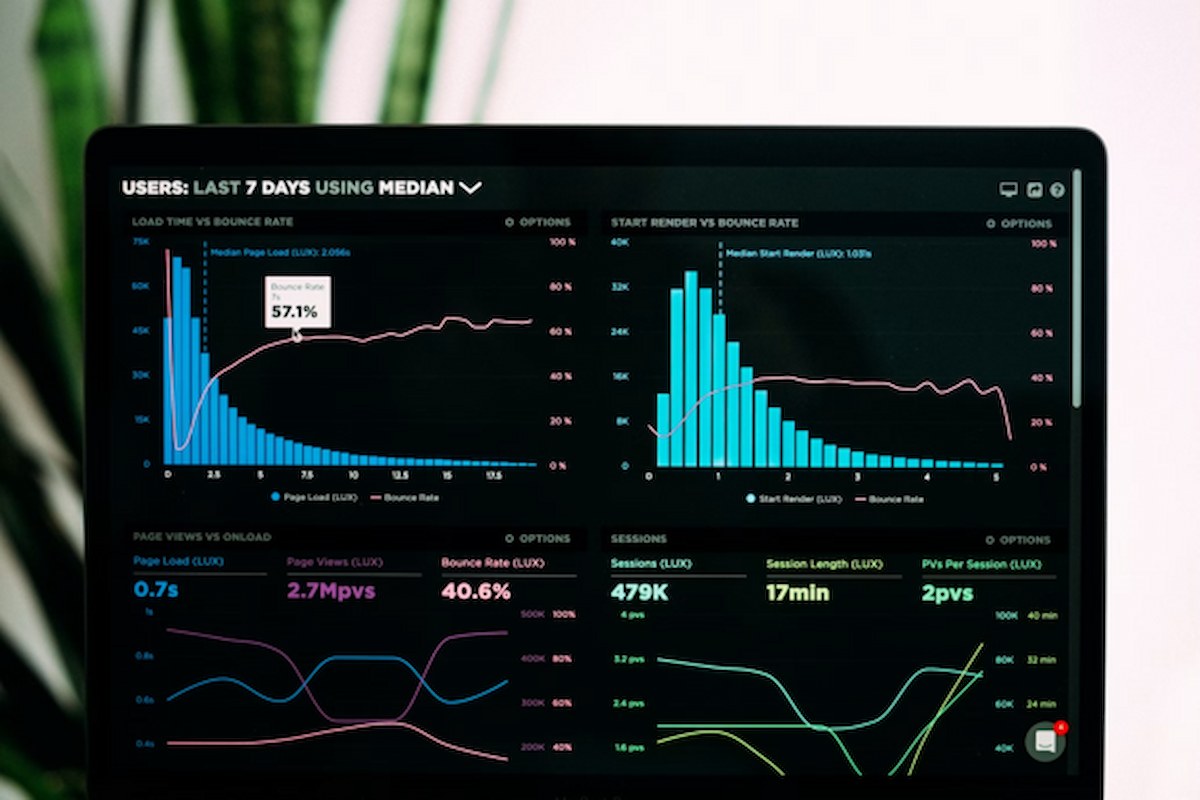
In today’s business world, data is much more than just a collection of numbers. It’s a vital asset that can open up new opportunities and drive growth. Companies of all sizes are discovering that using analytics effectively is no longer optional. It’s the key to understanding customers, streamlining operations, and staying ahead of the competition.
Beyond Basic Metrics
For years, businesses tracked basic metrics like sales revenue, website traffic, and profit margins. While these numbers are still important, they only tell part of the story. Real competitive advantage comes from looking deeper, analyzing complex datasets to uncover hidden patterns and opportunities. This means moving beyond simple spreadsheets and using more advanced analytical approaches.
In highly specialized fields, this kind of analysis is already standard. For example, a Contract Research, Development, and Manufacturing Organization (CRDMO) works with pharmaceutical innovators to advance new drug programs. This involves analyzing huge amounts of data related to chemical synthesis, process development, and regulatory compliance to ensure safety and effectiveness. The same principles apply to any business: the goal is to turn raw data into useful information, and Omniai unlocks strategic insights from untapped business data resources.
Informing Strategic Decisions
Every major business decision, from launching a new product to entering a new market, involves some risk. Data analytics helps reduce that risk by providing a solid, evidence-based foundation for strategic planning. Instead of relying only on intuition or past experience, leaders can use data to model potential outcomes and check their assumptions. This practice of data-driven decision-making sets successful organizations apart.
Think about a retail company planning to expand. In the past, this might have meant scouting locations based on foot traffic and educated guesses. Today, that same company can analyze demographic data, consumer spending habits, and local competitor density to pinpoint the exact neighborhoods where a new store is most likely to succeed. This strategic use of data minimizes costly mistakes and maximizes the return on investment.
Ensuring Data Integrity
The insights you get from analytics are only as reliable as the data they come from. The rule “garbage in, garbage out” is always a concern. If your data is inaccurate, incomplete, or inconsistent, your conclusions will be flawed, potentially leading to bad business decisions.
Ensuring data integrity means setting up clear processes for collecting, storing, and managing data. This includes:
- Standardizing data entry to avoid inconsistencies.
- Regularly cleaning and updating databases to remove duplicates and errors.
- Implementing security measures to protect data from corruption or unauthorized access.
- Creating a data governance framework that defines who is responsible for data quality within the organization.
Accelerating Outcomes with Insight
In a fast-moving market, speed is a big advantage. Data analytics helps businesses get results faster by providing real-time insights that allow for quick and decisive action. By using predictive analytics, companies can forecast future trends, anticipate customer needs, and spot potential problems before they get worse. This proactive approach lets you adapt quickly to changing conditions.
Understanding business data analytics helps teams continuously improve their workflows. For instance, an e-commerce business can analyze user behavior on its website to find friction points in the checkout process and make changes that immediately improve conversion rates. This ability to test, measure, and iterate quickly is a powerful driver for growth.
Ethical Considerations in Analytics
As businesses collect more data, they also take on greater ethical responsibilities. Customers are increasingly aware of how their information is being used, and regulations like GDPR in Europe and CCPA in California have set strict rules for data privacy. Transparency is key. Businesses must be clear with customers about what data they are collecting and how it will be used.
Another important consideration is the potential for bias in algorithms. If the data used to train a machine learning model reflects existing societal biases, the model’s outputs will amplify those biases. Companies must actively work to identify and reduce bias in their analytical models to ensure fairness and avoid discriminatory outcomes.
Ultimately, using data isn’t just about what you *can* do, but what you *should* do. Building a strong ethical framework for your analytics program is essential for keeping customer trust and ensuring long-term sustainability.