
Shadowfax Stumbles: What the 9% Discount Debut Tells Us About India’s Quick-Commerce Boom

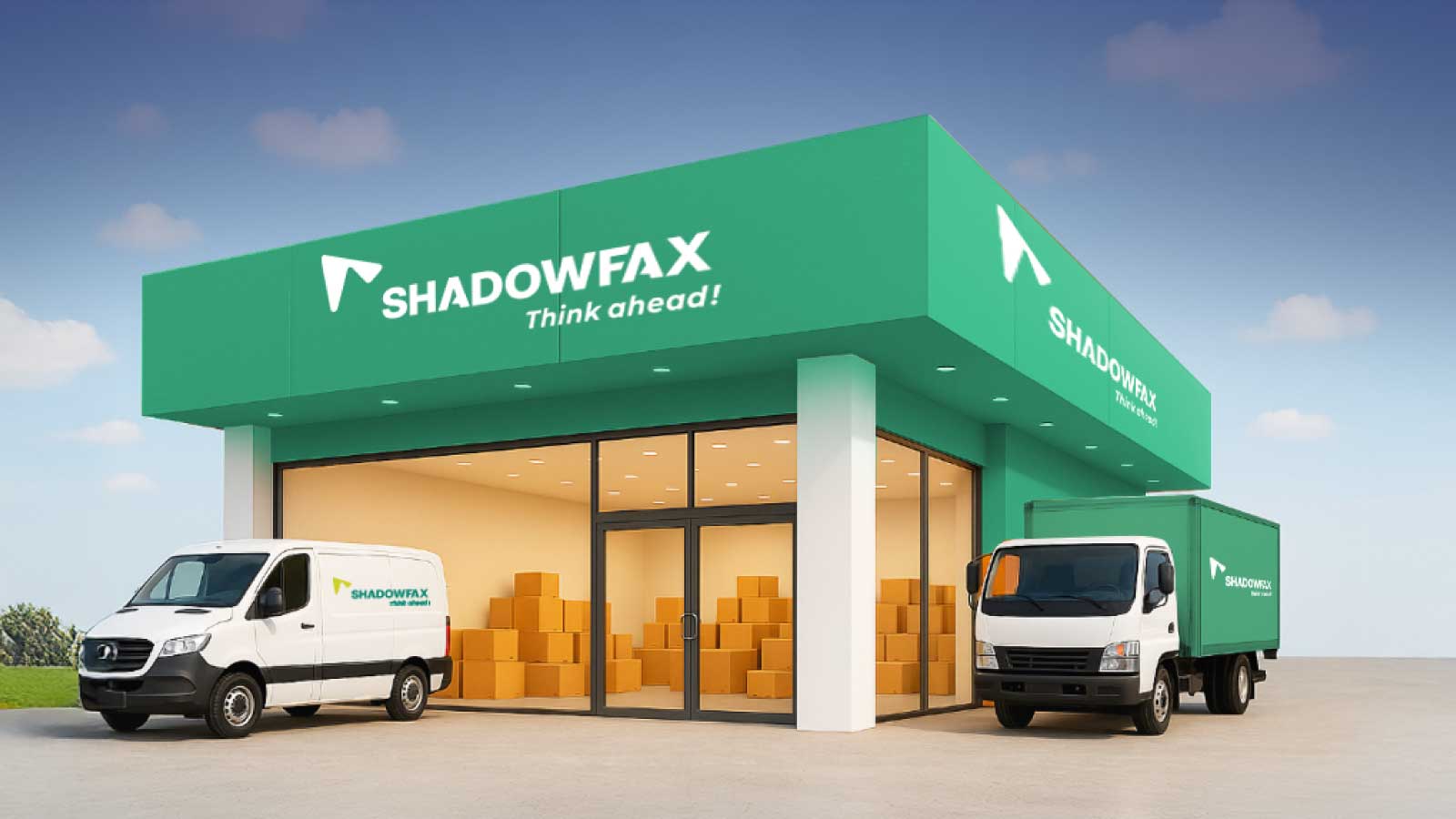
Shadowfax Technologies shares debuted on the NSE at ₹112.60 per share, marking a 9.19% discount to the IPO price of ₹124, sending ripples through investor circles on January 28, 2026. This weak debut raises questions about market appetite for logistics startups despite India’s e-commerce explosion. While the company powers deliveries for giants like Flipkart and Meesho, investors remained cautious about its thin margins and premium valuation.
The Shadowfax market debut discount reflects broader concerns about profitability in India’s competitive logistics sector. Let’s unpack what went wrong.
The Numbers Behind the Disappointing Launch
Shadowfax stock market debut disappointed investors who expected better returns. On the BSE, the stock listed at ₹113, representing a slightly lower discount of 8.87%. For retail investors who applied at the upper price band of ₹124, this meant an immediate loss of approximately ₹1,368 per lot of 120 shares.
At the time of listing, the company commanded a market capitalisation of ₹6,509.78 crore, positioning it among notable recent market entrants. However, the Shadowfax market cap fell short of initial expectations, reflecting investor skepticism about the company’s growth trajectory.
The Shadowfax share price today has shown modest recovery, but the initial discount signal concerns about the logistics startup IPO India wave. As of 11:29 IST on 28 January 2026, Shadowfax Technologies Limited was trading at ₹115.34 on the NSE, marking a gain of ₹2.69 (2.39%) from its opening price.
What Is Shadowfax and Why the Hype?
Founded in 2015, Shadowfax Technologies has positioned itself as India’s technology-driven third-party logistics provider. As of September 2025, Shadowfax network spans over 14,700 pin codes in India, providing diverse services for express parcel deliveries, exchange deliveries, reverse pickups, prime and same-day deliveries, mobility services, hyperlocal deliveries and critical logistics.
The company’s business model centers on quick commerce and e-commerce delivery services. It operates a service network covering 14,758 pin codes and serves enterprise clients across e-commerce, quick commerce, food marketplaces, and on-demand mobility platforms. Major clients include Meesho, Flipkart, Myntra, Swiggy, BigBasket, and Zepto.
Key operational highlights:
- Over 205,000 delivery partners across 2,300+ cities
- 53 sort centers spanning 1.8 million square feet
- Asset-light model leveraging gig workforce
- Proprietary technology platform called “Frodo” for route optimization
The Shadowfax IPO Details: Size, Pricing, and Subscription
The company raised a total of Rs 1,907 crore via IPO, which included a fresh shares sale of Rs 1,000 crore and offer-for-sale (OFS) up to 7.31 crore shares worth Rs 907 crore. The Shadowfax IPO aimed to fuel expansion while providing exits to early investors.
IPO Structure:
- Price band: ₹118-124 per share
- Lot size: 120 shares
- Minimum investment: ₹14,880
- Subscription period: January 20-22, 2026
- Listing date: January 28, 2026
Shadowfax Technologies IPO subscribed 2.86 times, showing moderate investor interest. The public issue subscribed 2.43 times in the retail category, 4.00 times in QIB (Ex Anchor), and 0.88 times in the NII category.
The subscription numbers revealed a mixed response. Institutional investors showed stronger appetite compared to non-institutional investors, who remained cautious about the Shadowfax IPO performance outlook.
Grey Market Signals Warned of Trouble
The Shadowfax grey market premium told a story of diminishing investor enthusiasm. Ahead of its listing, the GMP of Shadowfax Technologies saw a sharp correction on the back of muted bidding and fragile market sentiments. Last heard, it was commanding a discount of Rs 3-5 per share in the unofficial market, suggesting a weak listing pop for the investors.
Initially, the grey market premium stood at ₹4-6 on the first day of bidding. However, as subscription progressed, the GMP collapsed to near zero or even negative territory. This rapid deterioration signaled investor concerns about valuation and market conditions.
The grey market activity proved prescient. Shadowfax’s debut was below the grey market estimates. Ahead of the listing, the company’s unlisted shares were trading at around ₹120.5 in the grey markets. This indicated a grey market discount of ₹3.5 or 3 per cent, over the issue price.
Analyzing the Shadowfax Weak Debut Reasons
Several factors contributed to the disappointing Shadowfax listing discount. Understanding these dynamics provides valuable lessons for evaluating logistics startup IPO India opportunities.
1. Valuation Concerns
The company commanded a premium valuation despite thin profit margins. Shadowfax is preparing for an IPO with an exceptionally high P/E ratio of 1,018x FY25 earnings, positioning it among the most expensive logistics sector offerings. This steep multiple raised eyebrows among value-conscious investors.
At the upper price band, the implied enterprise value appeared stretched compared to operational metrics. Investors questioned whether the Shadowfax Technologies stock justified its pricing given competitive pressures.
2. Profitability and Margin Pressure
While the company recently achieved profitability, margins remain under pressure. Shadowfax turned profitable in FY25, posting a net profit of INR 6.4 Cr versus a loss of INR 11.9 Cr in FY24. Operating revenue grew 32% to INR 2,485.1 Cr from INR 1,884.8 Cr.
However, the company reported an adjusted EBITDA margin of below 3% in H1 FY26, highlighting the capital-intensive nature of logistics operations. These thin margins concerned investors about sustainable profitability.
3. Client Concentration Risk
A significant portion of revenue comes from a limited number of customers. Nearly 49% of revenue in the latest reported period came from a single customer, highlighting client concentration risk. This dependency creates vulnerability if major clients switch providers or renegotiate terms.
The Shadowfax Technologies listing faced skepticism due to this concentration. Investors worried about bargaining power and revenue stability.
4. Market Sentiment and Timing
The Indian logistics sector IPOs have faced mixed reception recently. Broader market volatility and concerns about new-age tech company valuations dampened enthusiasm. The weak grey market activity reflected this cautious sentiment.
Additionally, grey market signals weakened sharply amid broader market volatility, with the premium slipping to near zero ahead of allotment. Timing matters, and Shadowfax entered during a period of heightened caution.
5. Competitive Landscape
The company operates in an intensely competitive space. Established players like Delhivery have stronger market positions and better operational scale. New entrants continue emerging, pressuring pricing power and market share.
The Shadowfax IPO analysis revealed concerns about sustainable competitive advantages in a commoditized logistics market.
Financial Performance: Growth Amid Challenges
Despite listing concerns, Shadowfax demonstrates strong revenue momentum. In H1 FY26, the logistics unicorn’s net profit more than doubled to INR 21 Cr from INR 9.8 Cr in the year ago period. Operating revenue surged 68.4% YoY to INR 1,805.6 Cr during the period.
Financial Highlights:
| Metric | FY24 | FY25 | H1 FY26 |
|---|---|---|---|
| Revenue | ₹1,885 Cr | ₹2,485 Cr | ₹1,806 Cr |
| Net Profit | (₹11.9 Cr) | ₹6.4 Cr | ₹21 Cr |
| EBITDA Margin | – | ~2% | ~3% |
The company has achieved operational breakeven and demonstrates improving unit economics. However, scaling profitably while maintaining service quality remains challenging.
Shadowfax reported a 68% year-on-year rise in operating revenue to ₹1,805 crore in the first half of FY26, showcasing robust top-line growth. This growth trajectory attracted institutional investors despite valuation concerns.
Use of IPO Proceeds: Growth Ambitions
The fresh issue proceeds will fund expansion initiatives. According to the red herring prospectus (RHP), the company plans to use ₹423.23 crore from the net fresh issue proceeds for its capital expenditure in relation to the network infrastructure, ₹138.64 crore for lease payments for new first mile centres, last mile centres, and sort centres, and ₹88.57 crore for funding of branding, marketing, and communication costs.
Capital Allocation Strategy:
- Network infrastructure expansion
- New fulfillment centers and sort facilities
- Brand building and customer acquisition
- Technology platform enhancements
- Potential acquisitions
The Shadowfax public listing provides capital to strengthen competitive positioning. However, investors questioned whether expansion plans justify the valuation premium.
Shadowfax vs. Listed Peers: How Does It Compare?
Comparing the Shadowfax IPO analysis with established logistics players provides context. Delhivery commands a market cap exceeding ₹30,000 crore, operating at significantly larger scale.
Peer Comparison:
| Company | Market Cap | FY25 Revenue | Profit Margin |
|---|---|---|---|
| Shadowfax | ₹6,510 Cr | ₹2,485 Cr | ~2-3% |
| Delhivery | ₹30,000+ Cr | Higher | Better |
| Blue Dart | Listed | Established | Profitable |
The Shadowfax shares trade at a premium to fundamentals compared to peers. At the upper price band, Shadowfax’s implied market capitalization stands at ₹7,169 crore, significantly lower than Delhivery’s ₹30,049 crore.
While smaller, Shadowfax focuses on high-growth quick commerce segments. This positioning differentiates it but comes with execution risks.
What Went Right Despite the Discount?
Not everything about the Shadowfax stock market debut was negative. Several positives deserve recognition:
Strong anchor book: The company has already raised ₹856 crore from anchor investors ahead of the issue, demonstrating institutional confidence.
Market leadership in segments: The company holds a dominant position in the third-party quick commerce sector with over 50% market share, acting as the primary fulfillment partner for major platforms like Flipkart Minutes, BigBasket, and Meesho.
Technology differentiation: The proprietary “Frodo” platform provides route optimization and fraud detection capabilities that competitors lack.
Growing delivery network: Its vast operational network employs over 1.25 lakh monthly active delivery partners, services more than 14,000 pin codes across over 2,500 cities.
These strengths position Shadowfax for long-term growth despite near-term listing challenges.
Indian Logistics Sector: Boom Times Ahead?
The broader Indian logistics sector IPOs context matters. The industry is valued at over $228.4 billion and is expected to reach over $357.3 billion by 2030 with a 7.7% CAGR, creating substantial opportunities.
India’s logistics infrastructure continues improving through government initiatives. The National Logistics Policy aims to reduce logistics costs from 13-14% of GDP to 8% by 2030.
Sector Tailwinds:
- E-commerce growth driving delivery demand
- Quick commerce explosion requiring hyperlocal capabilities
- Digital payment adoption enabling cash-free logistics
- Infrastructure investments improving connectivity
However, the overall logistics cost in India sums up to around 13-14% of the GDP, as compared to 8% as prevails in the developed countries, indicating room for efficiency improvements.
The Shadowfax Technologies listing occurs amid this transformation. Long-term investors betting on sector growth may overlook near-term listing discount.
Should You Invest in Shadowfax Shares Now?
The Shadowfax share price today presents a consideration for investors who missed the IPO. Post-listing, the stock trades below issue price, potentially offering better entry points than allottees received.
Bull Case:
- Exposure to high-growth quick commerce
- Technology-enabled platform advantages
- Strong client relationships with major e-commerce players
- Improving profitability trajectory
Bear Case:
- Thin profit margins amid competition
- Client concentration risks
- Premium valuation despite challenges
- Execution risks in scaling operations
Conservative investors might wait for consistent profitability demonstration. Growth-oriented investors comfortable with volatility may find opportunities.
The weak Shadowfax IPO performance doesn’t necessarily indicate a poor long-term investment. Many successful companies listed at discounts before delivering strong returns.
Lessons for IPO Investors
The Shadowfax listing discount offers valuable lessons for evaluating future Indian logistics sector IPOs:
1. Grey market signals matter: The collapsing GMP accurately predicted listing performance. Monitoring grey market trends provides early warning signals.
2. Valuation discipline is critical: Even strong businesses can disappoint if priced aggressively. The high P/E ratio of 1,018x proved concerning to investors.
3. Profitability matters: Recent profitability after years of losses didn’t overcome concerns about margin sustainability. Demonstrated profit consistency matters more than single-period profitability.
4. Client concentration risks: Revenue dependency on few customers creates vulnerability. Diversification matters for stability.
5. Timing affects outcomes: Market sentiment and broader conditions influence listing performance independent of company fundamentals.
These insights help investors approach future logistics startup IPO India opportunities with appropriate skepticism and analysis.
The Road Ahead for Shadowfax
Despite disappointing debut, Shadowfax Technologies has positioned itself in a growing market. The company’s future depends on several factors:
Execution priorities:
- Expanding client base to reduce concentration
- Improving operating margins through scale
- Maintaining service quality during rapid growth
- Leveraging technology for competitive advantage
The Shadowfax market debut discount creates pressure to demonstrate value creation. Management must prove the business model can generate returns justifying investor confidence.
The company turned profitable in FY25 after reporting losses in earlier years, though margins remain thin. Sustaining and expanding profitability will determine long-term success.
Comparing With Other 2025-26 Logistics IPOs
Several logistics companies entered public markets recently. The year’s most significant listing, Shadowfax received SEBI approval for a ₹2,000 crore IPO, making it among the largest in the sector.
Performance varied across logistics startup IPO India offerings. Some delivered strong returns while others struggled like Shadowfax. This divergence underscores the importance of company-specific analysis rather than sector-wide enthusiasm.
The Shadowfax weak debut reasons differ from other listings. Each company brings unique strengths, weaknesses, and market positioning.
What Analysts Are Saying
Brokerage views on the Shadowfax IPO analysis ranged from neutral to cautiously optimistic. SBI Securities and Swastika Investmart have assigned a Neutral rating, citing the IPO’s relatively premium valuation compared with peers and the company’s dependence on a limited number of large clients, including Flipkart and Meesho. SMIFS, however, has recommended a Subscribe rating with a multi-year investment horizon, highlighting Shadowfax’s market leadership, technology moat, and strong positioning in India’s fast-growing logistics and e-commerce delivery space.
Post-listing, analysts will watch:
- Quarterly revenue and margin trends
- Client addition and retention rates
- Operating leverage development
- Competitive positioning evolution
The Shadowfax Technologies stock faces scrutiny as public market investors demand consistent performance.
The Quick Commerce Connection
Shadowfax’s strength in quick commerce delivery differentiates it from traditional logistics players. The explosive growth of 10-minute delivery services creates opportunities for specialized last-mile providers.
Major quick commerce platforms including Blinkit, Zepto, and Swiggy Instamart rely on third-party logistics. Shadowfax has captured significant market share in this segment, positioning it for growth as quick commerce expands.
However, this focus brings challenges. Quick commerce operates on razor-thin margins with intense time pressure. Service failures damage client relationships quickly. The business model requires flawless execution at scale.
The Shadowfax public listing provides capital to strengthen quick commerce capabilities. Success in this segment could drive long-term value creation despite listing disappointment.
Shareholder Structure Post-IPO
The offer-for-sale component allowed existing investors to partially exit. Notable selling shareholders include Flipkart (₹400 crore) and Qualcomm (₹65.40 crore). These exits provided liquidity while maintaining strategic investor presence.
Post-IPO shareholding reflects a balance between founders, institutional investors, and public shareholders. The structure provides governance oversight while retaining founder control for strategic decisions.
Understanding who holds the Shadowfax shares provides insight into confidence levels and alignment. Strategic investors maintaining positions signals long-term conviction despite listing challenges.
Final Thoughts: Looking Beyond the Discount
The Shadowfax market debut discount of 9% disappointed IPO applicants seeking quick gains. However, single-day performance rarely determines long-term investment success.
Companies like Amazon, Facebook, and numerous others listed below expectations before becoming market leaders. The logistics sector in India offers substantial growth potential as e-commerce penetration increases.
Shadowfax Technologies possesses competitive advantages in technology, network scale, and client relationships. Whether these translate to shareholder value depends on execution over coming quarters and years.
The Shadowfax IPO performance serves as a reminder that public market investing requires patience, research, and risk tolerance. Chasing IPO allotments without fundamental analysis often leads to disappointment.
For investors considering the Shadowfax Technologies listing now, the below-issue price presents potentially better risk-reward than IPO participants faced. However, thorough analysis of financial statements, competitive dynamics, and growth prospects remains essential before committing capital.
Frequently Asked Questions
Why did Shadowfax Technologies list at a discount to its IPO price?
Shadowfax listed at a 9% discount primarily due to valuation concerns, thin profit margins around 3%, high client concentration with nearly 49% revenue from one customer, and weak grey market premium signals ahead of listing. The exceptionally high P/E ratio of 1,018x combined with broader market caution about new-age tech companies contributed to investor skepticism despite the company’s growth trajectory.
What is Shadowfax Technologies’ business model and how does it make money?
Shadowfax operates as an asset-light third-party logistics provider focused on last-mile delivery. The company generates revenue by providing express parcel delivery, quick commerce fulfillment, hyperlocal delivery, and reverse logistics services to e-commerce platforms, food delivery companies, and quick commerce players. It leverages a gig-based network of over 205,000 delivery partners across 14,700+ pin codes rather than maintaining owned vehicles.
How did Shadowfax’s IPO subscription and grey market premium perform?
The Shadowfax IPO was subscribed 2.86 times overall, with retail investors subscribing 2.43 times, QIB 4.00 times, but NII only 0.88 times. The grey market premium started at ₹4-6 but collapsed to a discount of ₹3-5 per share before listing, accurately signaling the weak debut. This GMP deterioration reflected declining investor confidence about valuation and market conditions.
What are Shadowfax’s financial highlights and profitability status?
Shadowfax turned profitable in FY25 with net profit of ₹6.4 crore versus ₹11.9 crore loss in FY24. Revenue grew 32% to ₹2,485 crore in FY25. In H1 FY26, net profit more than doubled to ₹21 crore while revenue surged 68% to ₹1,806 crore. However, EBITDA margins remain thin at below 3%, highlighting the capital-intensive nature and competitive pressures in logistics operations.
Should investors buy Shadowfax shares after the listing discount?
The investment decision depends on individual risk tolerance and investment horizon. Bulls point to exposure to high-growth quick commerce, technology advantages, and improving profitability. Bears cite thin margins, client concentration risks, and premium valuation. The below-issue listing price may offer better entry points than IPO participants received, but investors should thoroughly analyze financial statements, competitive positioning, and growth prospects before investing. Long-term investors believing in India’s e-commerce growth may find opportunities, while conservative investors might prefer waiting for consistent profitability demonstration.
How does Shadowfax compare to other logistics companies like Delhivery?
Shadowfax has a market cap of approximately ₹6,510 crore compared to Delhivery’s ₹30,000+ crore, indicating significantly smaller scale. While Shadowfax focuses on quick commerce and hyperlocal delivery with over 50% market share in third-party quick commerce, Delhivery operates across broader logistics segments. Shadowfax trades at a P/E ratio of 1,018x versus more reasonable multiples for established peers, though its niche positioning in fast-growing quick commerce provides differentiation despite higher execution risks.
What are the main risks facing Shadowfax Technologies as a public company?
Key risks include heavy client concentration with 49% revenue from a single customer, thin profit margins around 3% limiting financial flexibility, intense competition from Delhivery and other players, operational challenges in scaling while maintaining service quality, potential loss of major clients affecting revenue stability, regulatory changes in gig worker classification, and execution risks in achieving projected growth. The capital-intensive nature of logistics operations combined with pricing pressures creates challenges for sustainable profitability expansion.