
OpenAI Strategic Leadership Revolution: Denise Dresser Named First OpenAI Chief Revenue Officer

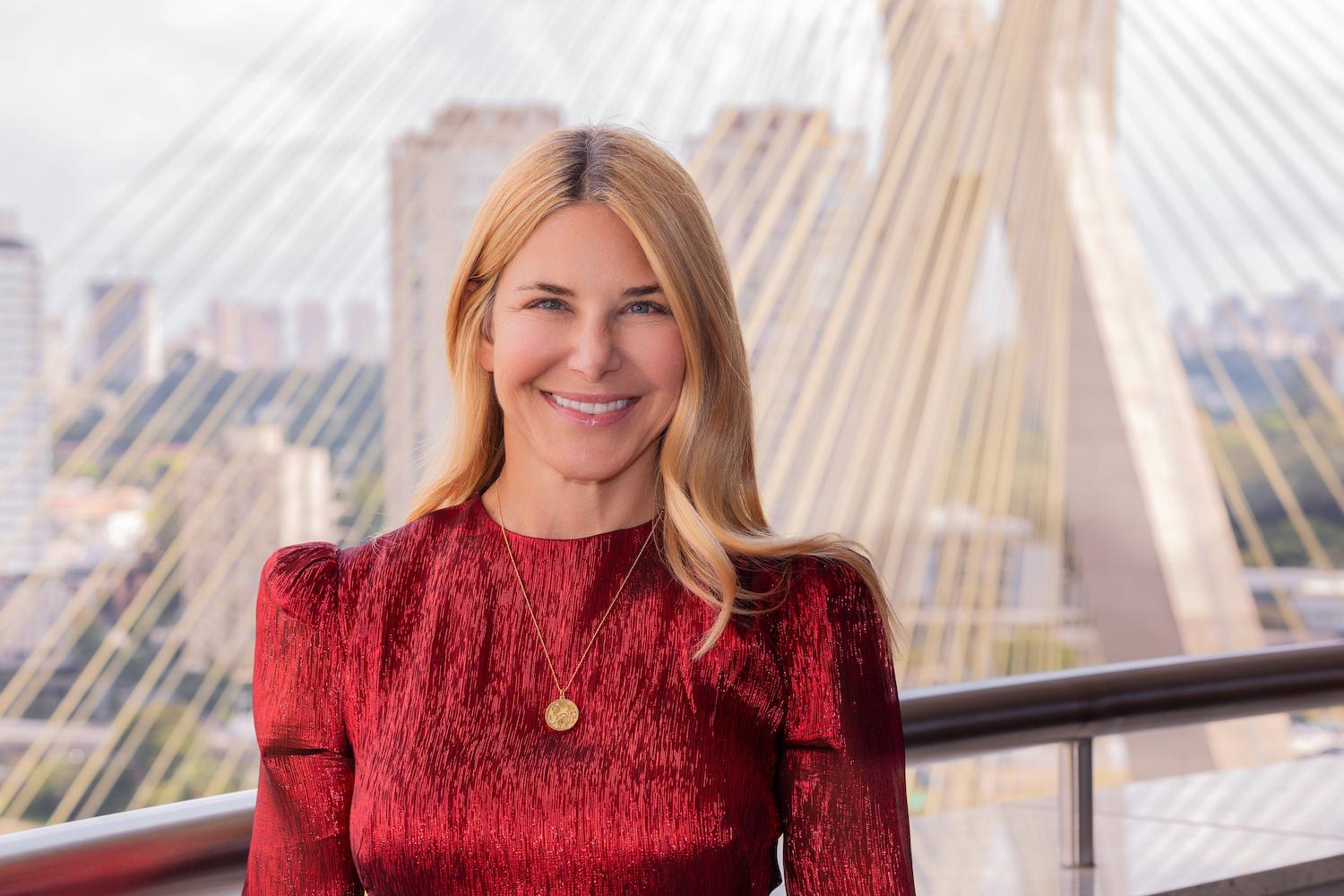
OpenAI reached $13 billion in annualized revenue by August 2025, tripling from $2 billion at the end of 2023, yet the company just appointed its very first dedicated revenue leader. The announcement came yesterday as OpenAI hired Slack CEO Denise Dresser as its chief revenue officer, marking a pivotal moment in the company’s transition from research lab to enterprise powerhouse. This OpenAI Chief Revenue Officer appointment signals the company’s determination to professionalize its business operations while maintaining explosive growth momentum.
The timing couldn’t be more strategic. Companies worldwide are moving beyond experimental AI projects toward full organizational integration. Meanwhile, 75% of workers say AI has improved their work speed or quality, with many saving 40-60 minutes daily.
Why This OpenAI Chief Revenue Officer Role Matters Now
Denise Dresser OpenAI appointment represents far more than a standard C-suite addition. OpenAI has become the fastest-growing business platform in history, yet the company has operated without a dedicated revenue strategist until now. This gap became increasingly problematic as enterprise demand exploded.
The numbers tell the story. OpenAI supports more than one million business customers, including Walmart, Morgan Stanley, Target, and Lowe’s. Yet converting free users to paying customers remains challenging. The company needs expert leadership to maximize revenue per user across its massive 800 million weekly active user base.
Enterprise clients drive the highest margins. Some enterprise contracts exceed $10 million annually, demonstrating the value of sophisticated B2B sales strategies. Dresser’s enterprise expertise becomes crucial for scaling these high-value relationships globally while maintaining customer satisfaction.
The competitive landscape intensifies daily. Anthropic grew from $87 million to $7 billion in annualized revenue during 2025, proving that revenue leadership matters in this rapidly evolving market.
Denise Dresser OpenAI Background: Why She’s Perfect for This Role
Dresser was named Slack’s CEO in 2023 after spending more than a decade at Salesforce, giving her exactly the enterprise software experience OpenAI needs. Her track record speaks volumes about her qualifications for this OpenAI Chief Revenue Officer position.
At Slack, she navigated complex enterprise integrations. She led the messaging platform through its integration with Salesforce following the $27.7 billion acquisition, demonstrating her ability to manage revenue during major corporate transitions. This experience proves invaluable as OpenAI scales its enterprise operations.
Her Salesforce background aligns perfectly with OpenAI’s enterprise ambitions. Prior to Slack, Denise spent more than a decade at Salesforce building global sales organizations serving the company’s most complex customers. She understands how to convert product-market fit into sustainable revenue streams.
The scale of her previous success matters enormously. Salesforce generates over $35 billion annually, proving Dresser can manage revenue operations at the scale OpenAI targets. Her experience with subscription models, enterprise sales cycles, and global expansion provides the blueprint for OpenAI’s next growth phase.
OpenAI Executive Team Changes Signal Strategic Maturation
This Slack CEO joins OpenAI move represents broader OpenAI executive team changes focused on business professionalization. The appointment is widely seen as a strategic move to professionalize OpenAI’s enterprise revenue engine as it transitions from user growth to commercial operations.
The timing reflects OpenAI’s growth challenges. Despite massive user adoption, the company faces revenue conversion difficulties. OpenAI expects to burn about $8 billion in 2025 while building infrastructure and expanding globally. Dresser’s revenue optimization expertise becomes critical for achieving sustainable profitability.
Leadership transitions at Slack demonstrate the significance. Slack’s chief product officer, Rob Seaman, will become interim CEO, indicating how seriously both companies view this strategic move. OpenAI prioritized revenue leadership over maintaining status quo at Slack.
The executive team now features specialized leaders for different growth phases. With dedicated revenue leadership, OpenAI can focus technical teams on innovation while business teams optimize monetization strategies across consumer and enterprise segments.
OpenAI Monetization Strategy Under New Revenue Leadership
The new OpenAI Chief Revenue Officer faces complex monetization challenges across multiple business lines. Consumer subscriptions make up roughly 85% of OpenAI’s revenue, but enterprise growth represents the biggest opportunity for margin expansion and sustainable growth.
Current revenue streams span multiple models. ChatGPT subscriptions include Plus at $20 monthly, Team at $25-30 per user monthly, and Enterprise at approximately $60 per seat at list prices. API business faces commoditization pressures despite generating significant revenue, requiring strategic positioning against competitors.
Enterprise contracts offer the highest growth potential. Enterprise adoption accelerated from 150,000 users in January 2024 to over 2 million by February 2025, representing explosive demand that requires expert sales leadership to capture effectively.
The monetization strategy must balance growth with profitability timelines. OpenAI projects reaching $125 billion in revenue by 2029 when expecting cash-flow positivity. Dresser’s experience scaling profitable enterprise operations becomes essential for achieving these ambitious targets.
Enterprise AI Market Dynamics and Revenue Opportunities
Companies increasingly embed AI into core processes rather than limiting use to experimental projects, creating massive revenue opportunities that require sophisticated sales strategies. The enterprise market represents OpenAI’s path to sustainable profitability and market leadership.
Global enterprise adoption patterns show consistent growth. Enterprise AI spending surged 500% in 2024, indicating that businesses view AI as essential infrastructure rather than optional technology. This shift creates predictable revenue streams for companies with strong enterprise capabilities.
Customer success becomes crucial for retention. About 75% of surveyed workers felt AI improved work quality or speed, with many saving significant time daily. Dresser must ensure these productivity gains translate into long-term customer relationships and expanded deployments.
International expansion offers additional growth vectors. OpenAI operates across multiple regions, but enterprise sales require localized expertise and cultural understanding. Dresser’s global experience at Salesforce provides the framework for scaling international enterprise revenue effectively.
Competitive Landscape and Strategic Positioning
The appointment comes as competition intensifies across the AI enterprise market. Anthropic reached $4 billion in annualized revenue while focusing heavily on enterprise use cases, demonstrating the value of dedicated business-focused strategies in this market.
Enterprise customers increasingly evaluate multiple AI providers. The switching costs remain relatively low for API-based services, making customer retention and value demonstration crucial for sustainable revenue growth. Dresser’s enterprise software background provides insight into building sticky customer relationships.
Market dynamics favor companies with comprehensive revenue strategies. Enterprise clients pay for reliable AI tools that automate tasks, improve customer support, and accelerate innovation. Success requires understanding complex enterprise buying cycles and demonstrating measurable ROI.
Strategic partnerships multiply revenue opportunities. OpenAI’s relationship with Microsoft and other technology partners creates distribution advantages, but capturing maximum value requires sophisticated partnership management and revenue optimization strategies.
Implementation Priorities for the New OpenAI Chief Revenue Officer
Dresser faces immediate priorities requiring rapid execution. Converting free users to paid plans represents the most direct revenue opportunity. With 800 million weekly active users, even small conversion improvements generate significant revenue gains that compound over time.
Enterprise contract optimization offers high-impact potential. Some enterprise clients sign contracts exceeding $10 million annually, but standardizing these processes and scaling sales capabilities requires systematic approaches that Dresser developed at Salesforce.
Global expansion requires localized revenue strategies. Different markets have varying enterprise buying patterns, regulatory requirements, and competitive dynamics. Dresser must build region-specific sales teams while maintaining consistent global brand positioning.
Customer success integration becomes essential for retention. Enterprise AI deployments require ongoing support, training, and optimization. The OpenAI Chief Revenue Officer must ensure customer success teams drive expansion revenue through increased usage and additional features.
Revenue Growth Projections and Strategic Implications
OpenAI’s revenue growth rate of 3.2x annually since 2024 positions the company for unprecedented scale, but maintaining this trajectory requires expert revenue management. Dresser inherits a business generating approximately $1 billion monthly that must evolve revenue strategies as it scales.
The path to profitability demands strategic focus. OpenAI projects $125 billion revenue by 2029 with cash-flow positivity, requiring revenue optimization across all business lines. Enterprise growth provides the highest margins and most predictable revenue streams for achieving these targets.
Market expansion opportunities multiply as AI adoption accelerates. Organizations worldwide recognize AI as essential for competitive advantage, creating demand for enterprise-grade solutions that deliver measurable business outcomes. The OpenAI Chief Revenue Officer must capture this opportunity while competitors seek market share.
Strategic positioning for long-term success requires balancing growth with sustainability. Rapid scaling creates operational challenges, but Dresser’s experience managing high-growth enterprise software businesses provides the expertise needed for navigating these complexities successfully.
Future Outlook and Market Impact
The appointment of Denise Dresser as OpenAI Chief Revenue Officer represents a watershed moment for enterprise AI adoption. “We’re on a path to put AI tools into the hands of millions of workers, across every industry”, requiring revenue leadership that understands enterprise complexity.
This strategic hire positions OpenAI for the next phase of AI market evolution. As companies move from experimentation to full integration, revenue strategies must evolve beyond simple subscription models toward comprehensive enterprise partnerships that deliver transformational business value.
The implications extend across the entire AI industry. OpenAI’s success with enterprise revenue optimization will influence competitive dynamics, pricing strategies, and customer expectations throughout the market. Dresser’s leadership could define best practices for AI revenue management.
Long-term market leadership depends on execution excellence. With her proven track record scaling enterprise software revenue, Dresser brings the expertise needed to transform OpenAI from a viral product into a sustainable enterprise platform that revolutionizes how businesses operate globally.
Frequently Asked Questions
Who is the new OpenAI Chief Revenue Officer?
Denise Dresser, former CEO of Slack and longtime Salesforce executive, has been appointed as OpenAI’s first Chief Revenue Officer to lead global revenue strategy.
What experience does Denise Dresser bring to the OpenAI Chief Revenue Officer role?
Dresser brings over 14 years of enterprise software experience, including leading Slack through its Salesforce integration and managing global sales organizations for complex enterprise customers.
Why did OpenAI hire a Chief Revenue Officer now?
Despite reaching $13 billion in annualized revenue, OpenAI needs specialized leadership to convert its 800 million weekly users into paying customers and optimize enterprise revenue strategies.
What are the main responsibilities of the OpenAI Chief Revenue Officer?
Dresser will oversee global revenue strategy, enterprise sales, customer success, and help businesses integrate AI into their core operations across all industries.
How does this appointment affect OpenAI’s competition with other AI companies?
The hire strengthens OpenAI’s enterprise capabilities as competitors like Anthropic aggressively pursue business customers, potentially defining industry standards for AI revenue optimization.
What happens to Slack leadership after Dresser’s departure?
Slack’s chief product officer, Rob Seaman, will serve as interim CEO following Dresser’s transition to her OpenAI Chief Revenue Officer position.
What revenue challenges does the new OpenAI Chief Revenue Officer face?
Key challenges include converting free users to paid plans, scaling enterprise contracts, managing $8 billion annual infrastructure costs, and achieving profitability by 2029.