
Female-Founded Climate Tech Startup Mosqitter Revolutionizes Chemical-Free Mosquito Control with Amazon Launch

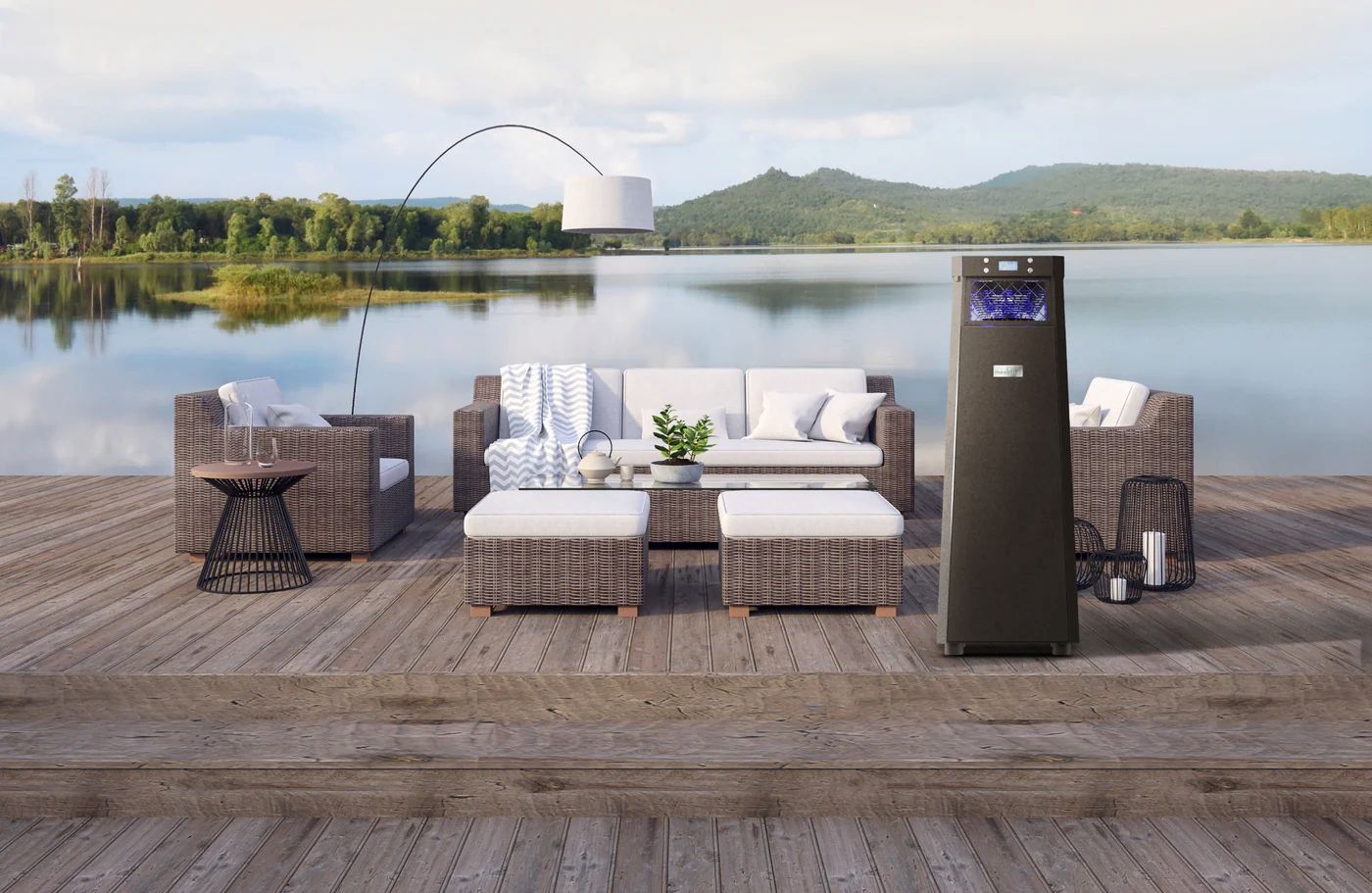
Mosqitter, a female-founded climate-tech company specializing in chemical-free mosquito control, announced the official U.S. launch of Mosqitter® Mini on Amazon on December 17, 2025. This groundbreaking entry into the American market represents more than just another product launch—it signals a pivotal moment for sustainable pest control technology.
The timing couldn’t be more strategic. The global insect repellent market size was valued at USD 5.57 billion in 2024 and is projected to reach USD 8.28 billion by 2030, growing at a CAGR of 6.7%. Meanwhile, the natural insect repellent market is projected to grow from USD 3.1 billion in 2025 to USD 6.5 billion by 2035, reflecting a CAGR of 7.7% during the forecast period. This surge reflects a fundamental shift in consumer preferences toward eco-friendly solutions.
Female Entrepreneurs Driving Climate Innovation Despite Funding Challenges
Mosqitter is a female-founded startup originally from Ukraine, now based in New York, NY, joining a growing but underfunded movement of women leading climate tech innovation. The statistics paint a sobering picture of gender disparity in the industry. Of the $33.5 billion invested in climate tech startups in the United States through three quarters in 2024, only $135.8 million went to female-founded startups.
However, this funding gap contradicts performance data. Boston Consulting Group found that female-founded startups are a better investment, returning 78 cents for every dollar funded compared to male-founded startups returning just 31 cents. Despite these superior returns, globally, female-only founders in climate tech captured just 5.3 percent of climate tech deals and 1.1 percent of total funding in the first nine months of 2024.
Mosqitter’s success story defies these statistics. The company has earned backing from international investors, U.S. and European funds, and leading innovation programs including Google for Startups and World Sustainability Award. The startup has raised a total of $360K from investors including Seeds of Bravery, Google for Startups Ukraine Support Fund, Techstars San Diego, and Ukrainian Startup Fund.
Revolutionary Technology Meets Growing Market Demand
The chemical-free mosquito control market represents a rapidly expanding segment driven by health and environmental concerns. Rising mosquito-borne disease cases contribute to 25% demand surge, with eco-friendly solutions adoption rising with 30% market shift. Over 45% of consumers in North America and Europe prefer natural mosquito control alternatives.
Mosqitter’s innovative approach addresses these preferences directly. Mosqitter devices use a combination of heat, UV, smell, and CO2 to trap and eradicate mosquitoes before they can bite. This sophisticated technology delivers impressive results. Their unique approach allows them to decrease the number of mosquito bites by up to 93% after only 4 weeks of continuous usage.
The Mini version launching on Amazon specifically targets residential consumers. Designed for smaller areas and patios, it provides powerful protection against mosquitoes without toxic chemicals, offers different modes for indoor and outdoor use, and features touch-free cleaning while remaining safe for pets, butterflies, and the environment.
Amazon Launch Strategy Capitalizes on E-Commerce Growth
The decision to launch exclusively on Amazon demonstrates strategic market positioning. The e-commerce segment is projected to grow at the fastest CAGR of 5.2% over the forecast period, with online platforms offering vast product arrays and facilitating informed purchasing decisions.
E-commerce platforms have seen a 28% spike in mosquito repellent product sales during peak summer months. This seasonal surge, combined with year-round demand for chemical-free mosquito control solutions, creates substantial opportunity for Mosqitter’s Amazon debut.
The timing aligns perfectly with consumer behavior patterns. The increasing trend of outdoor leisure activities such as camping, hiking, and backyard parties is driving demand for mosquito repellents in North America, with consumers seeking effective and easy-to-use products for protection during these activities.
Climate Tech Innovation Driving Sustainable Solutions
Mosqitter’s technology represents a broader trend toward sustainable pest control innovation. 40% prefer plant-based products, with 30% market share driven by smart traps and app-integrated devices gaining rapid consumer interest. The increasing health and environmental concerns associated with chemical-based mosquito repellents have led to a surge in demand for DEET-free and eco-friendly products, with consumers gravitating towards natural alternatives that are safe for both humans and the environment.
The startup’s patent portfolio underscores its innovation leadership. The company currently holds 24 patents and pending applications, and they were the only company in their category that was accepted into their batch. This intellectual property protection positions Mosqitter competitively in the expanding market.
Global Expansion and Strategic Partnerships
The company operates production and R&D across US and Europe and continues to expand globally in both consumer and professional markets. This international footprint provides multiple growth avenues as climate concerns intensify globally.
The commercial applications extend beyond residential use. Loved by countless households, restaurants, and hotels like Marriott, it is currently available in over 7 countries, with a growing presence worldwide. This diverse customer base demonstrates the technology’s versatility and market appeal across sectors.
Market Forces Driving Chemical-Free Solutions
Consumer health consciousness continues reshaping the mosquito control industry. As consumers become more aware of health risks tied to synthetic repellent ingredients, products like DEET and pyrethroid-based formulations face mounting challenges, with studies linking mosquito coil smoke exposure to respiratory symptoms and potential neurotoxic effects.
Concerns over safety during pregnancy and for children have led to a market shift, with parents leaning towards chemical-free alternatives, even if they come with reduced efficacy. Mosqitter’s 93% bite reduction rate challenges the notion that natural solutions compromise effectiveness.
Future Market Opportunities and Innovation Pipeline
The mosquito control market continues expanding beyond traditional applications. The adoption of smart technologies, such as automated mosquito traps and monitoring systems, is also on the rise, allowing for more targeted and efficient mosquito control.
Mosqitter plans to capitalize on these technological trends. Next on their list is the development of a Febris Monitoring System, which will allow them to use AI to track the density of mosquito populations worldwide and predict future outbreaks. This innovation would position the company at the forefront of predictive pest management.
Investment Climate for Female-Founded Climate Tech
Despite funding challenges, momentum builds for supporting female climate tech entrepreneurs. Amazon committed $53 million to help accelerate women’s climate innovation, including $50 million from its Climate Pledge Fund to invest in women-founded and women-led climate tech companies.
The EU’s WE-RISE project brings together experienced partners to provide tailored support, including mentorship, cross-border collaboration and access to EUR 1.2 million in non-equity funding, helping 40 women-led startups scale their innovations.
Competitive Landscape and Market Positioning
The chemical-free mosquito control segment faces increasing competition from established players and innovative startups. Thermacell Repellents released the E65 rechargeable mosquito repeller in March 2025, incorporating a fast-charging dock and 6.5-hour battery life to provide a 20-foot zone of protection.
However, Mosqitter’s unique multi-modal approach—combining heat, UV, scent, and CO2 attraction—differentiates it from single-mechanism competitors. The replacement trapping net system also addresses hygiene concerns that traditional devices struggle to solve effectively.
Long-Term Market Outlook and Growth Drivers
Climate change continues driving mosquito population expansion and geographic spread. Climate change is pushing vector habitats further north, bringing malaria and dengue threats to temperate regions that were once safe. Earth’s global temperature has continued rising, with hot temperatures providing perfect conditions for mosquito breeding and increased activity, directly affecting mosquito population growth and leading to proliferation of repellent products.
Government initiatives further support market growth. Rising incidence of mosquito-borne diseases such as Zika virus, West Nile virus, dengue, and chikungunya has prompted consumers to seek effective protection solutions, with government initiatives for disease control and public health awareness campaigns contributing to growing demand.
The convergence of environmental consciousness, health awareness, technological innovation, and supportive policy frameworks creates favorable conditions for chemical-free mosquito control solutions. Mosqitter’s Amazon launch positions the company to capitalize on these trends while demonstrating how female-founded climate tech startups can overcome funding barriers through strategic market entry and innovative technology.
Frequently Asked Questions
What makes Mosqitter’s chemical-free mosquito control device different from traditional repellents?
Mosqitter uses a four-component approach combining heat, UV light, CO2, and scent to attract mosquitoes before eliminating them, achieving up to 93% bite reduction without toxic chemicals that are harmful to humans, pets, or the environment.
Where can consumers purchase Mosqitter Mini and what does it cost?
Mosqitter Mini is now available on Amazon U.S. following its December 17, 2025 launch. The device was previously available at $149 in pre-order with plans to increase to $199 post-launch.
How effective is chemical-free mosquito control compared to traditional chemical repellents?
Mosqitter’s chemical-free technology delivers up to 93% reduction in mosquito bites after 4 weeks of continuous use, demonstrating that eco-friendly solutions can match or exceed traditional chemical repellent effectiveness.
What funding challenges do female-founded climate tech startups face?
Female-founded climate tech startups received only $135.8 million of $33.5 billion invested in U.S. climate tech through three quarters of 2024, despite studies showing female-founded startups return 78 cents per dollar versus 31 cents for male-founded companies.
How large is the market opportunity for chemical-free mosquito control products?
The global insect repellent market is projected to reach $8.28 billion by 2030, with the natural insect repellent segment growing from $3.1 billion in 2025 to $6.5 billion by 2035, driven by consumer demand for eco-friendly alternatives.
What makes Mosqitter’s technology innovative in the pest control industry?
Mosqitter holds 24 patents and pending applications for its multi-modal mosquito attraction and elimination system, combined with replacement trapping nets for improved hygiene and safety compared to traditional devices.
How does climate change impact the mosquito control market?
Rising global temperatures create perfect mosquito breeding conditions, expanding populations and geographic spread to previously unaffected regions, driving 25% demand surge for mosquito control solutions and 30% market shift toward eco-friendly alternatives.