
National Hackathon Innovathon 1.0 Kicks Off at Jammu University with Record Pan-India Participation

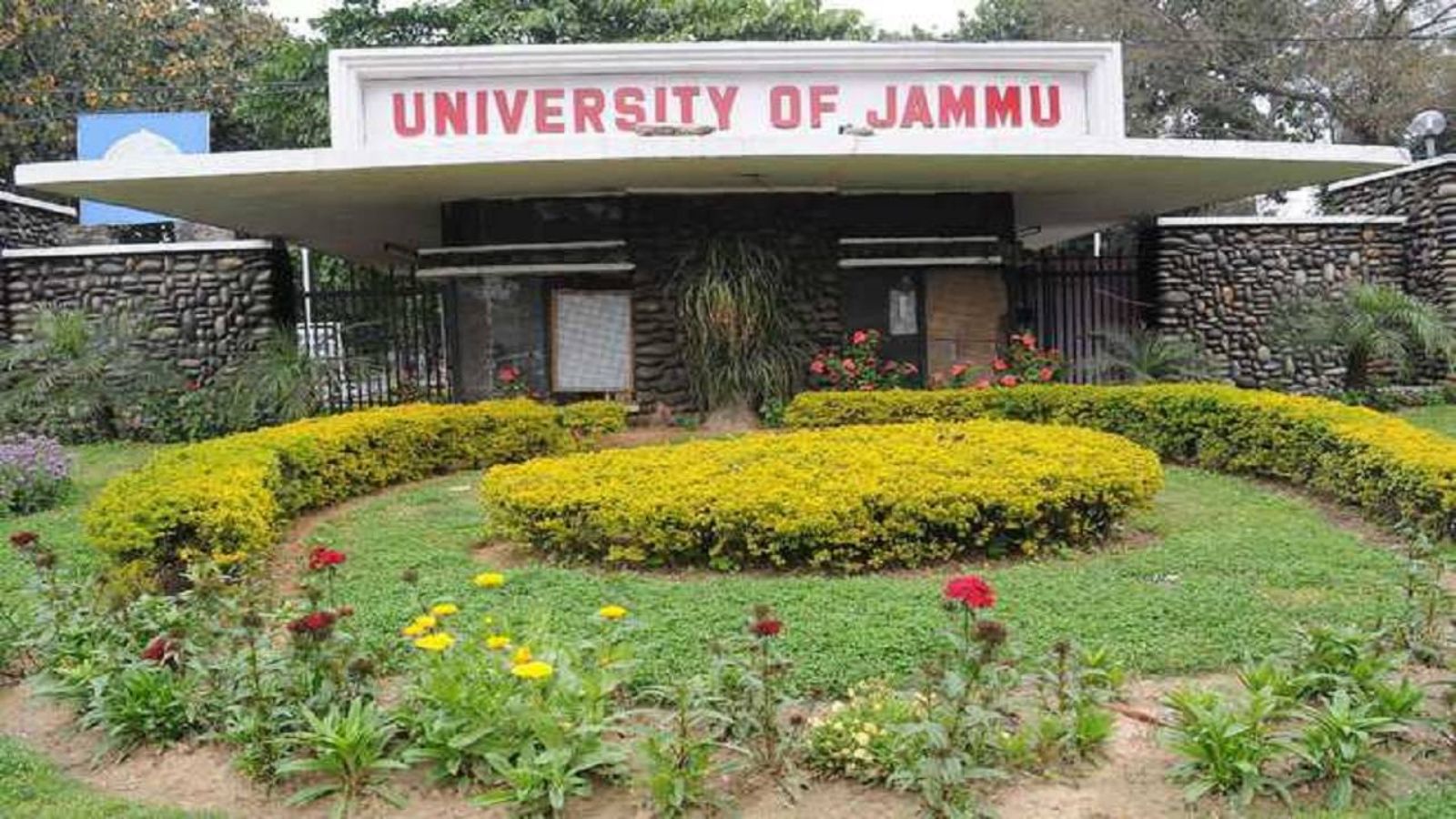
The University of Jammu launched its first national hackathon on February 16, 2026, drawing 107 registered teams from across India—though only 35 teams made it through the competitive shortlisting process to compete on-campus. The event wasn’t just another coding marathon. It represented something more significant: a tier-2 university successfully positioning itself as a legitimate innovation hub in India’s crowded startup landscape.
Here’s what struck me most about Innovathon 1.0 Jammu University: the organizers didn’t try to mimic what IITs or NITs do. Instead, they built something authentic to their regional context while maintaining standards that attracted talent from Kerala to Assam. That’s harder than it sounds.
Universities across India have launched innovation programs in recent years, but few regional institutions manage to draw participants from 15 states. The scale of this event signals that tier-2 cities can compete for attention and talent—if they execute thoughtfully.
Why This Hackathon Matters Beyond Jammu and Kashmir
The Skill Incubation, Innovation and Entrepreneurship Development Centre (SIIEDC) spent months planning this event, and it shows. They focused on five domains that align with India’s national development priorities: AI & Data Analytics, IoT/AR/VR/Drones/Cybersecurity, Sustainable Development, Health-Tech & Social Impact, and Tech-Enabled Tourism.
That last category—Tech-Enabled Tourism—is particularly clever. While most hackathons chase trendy technologies, this competition addressed a sector critical to Jammu and Kashmir’s economy. Teams worked on solutions for virtual heritage tours, tourist safety systems, and local business discovery platforms.
The organizers designed this competition to bridge academic knowledge and real-world application. Participants weren’t just building demos for judges—they were tackling actual challenges faced by industries and communities in the region.
And the timing? India’s startup ecosystem has grown to become the third-largest globally, yet tier-2 and tier-3 cities struggle to attract the same investor attention as Bangalore or Gurgaon. The hackathon aims to challenge that disparity head-on.
Competition Structure and Evaluation Process
The 35 shortlisted teams arrived with notably diverse backgrounds. Some represented premier engineering colleges from Tamil Nadu and Maharashtra. Others came from smaller regional institutions in Punjab and Haryana. This mix created friction in the best way—different perspectives colliding and generating unexpected solutions.
The two-day format included distinct phases. Teams spent the opening hours refining their problem statements through structured ideation sessions. Then came the heavy lifting: 24+ hours of prototype development, punctuated by scheduled mentorship windows where industry experts provided guidance.
The evaluation criteria emphasized implementation potential over technical complexity alone. Judges—a mix of academic leaders and industry veterans—repeatedly asked: “Could this actually work in the real world? Who would use it? How would it scale?”
Research shows that hackathons significantly boost entrepreneurial intentions among participants, with over 60% expressing increased interest in starting ventures afterward. The organizers understand these dynamics, which explains their emphasis on post-event incubation support rather than just prize money.
The SIIEDC Strategy: Building Infrastructure for Continuous Innovation
The Student Innovation Incubation and Entrepreneurship Development Centre has been building quietly for years. They’ve established co-working spaces, developed industry partnerships, and created mentorship networks extending well beyond campus boundaries.
This hackathon isn’t a standalone event—it’s one piece of a broader ecosystem strategy. SIIEDC has already incubated 12 startups, facilitated partnerships with eight technology companies, and created seed funding mechanisms for promising student ventures. The competition builds directly on this foundation.
What separates this approach from typical university innovation initiatives? Sustainability. Many institutions host flashy one-off events that generate headlines but no lasting impact. SIIEDC appears focused on creating infrastructure that supports innovation year-round, with the hackathon serving as an annual showcase and recruitment mechanism.
The center mirrors successful models from IIT Bombay and IIT Delhi, adapted for regional contexts. That adaptation matters—solutions that work in metros don’t always translate to tier-2 cities with different resources and constraints.
Domain Focus Areas and Real-World Applications
The five competition tracks addressed distinct contemporary challenges. Let me break down what made each domain relevant:
AI & Data Analytics teams worked on regional language processing and agricultural optimization. Given that agriculture employs nearly 45% of India’s workforce, innovations here carry massive potential impact. Projects included crop yield prediction systems and supply chain optimization for local produce markets.
IoT, AR/VR, Drones & Cybersecurity participants developed smart city applications and rural connectivity solutions. Several teams focused on drone-based monitoring for border security and agricultural surveillance—particularly relevant for Jammu and Kashmir’s geography.
Sustainable Development projects tackled waste management, renewable energy, and water conservation. Teams proposed solar-powered irrigation systems and waste-to-energy conversion models for rural communities.
Health-Tech & Social Impact innovations addressed telemedicine platforms, diagnostic tools, and health monitoring systems. India’s digital health market is projected to reach $50 billion by 2033, making this timing particularly opportune. One memorable project created a mental health support platform with regional language support, addressing the reality that mental health issues affect approximately 150 million Indians with limited accessible solutions.
Tech-Enabled Tourism teams developed virtual heritage tours, tourist safety applications, and platforms connecting travelers with local businesses. This domain specifically addressed Jammu and Kashmir’s economic priorities, showing how the hackathon connected to regional development goals.
Prize Structure: Correcting the Record
Let me be clear about the actual prizes, as some reports inflated these figures:
- Winner: ₹25,000 cash plus six months of free incubation at SIIEDC and direct mentorship from industry leaders
- First Runner Up: ₹15,000 cash plus three months of incubation support
- Second Runner Up: ₹10,000 cash plus access to SIIEDC resources
- Domain-Specific Recognition: Special awards for outstanding projects in each track
The total prize pool was ₹2.5 lakh—not the ₹1.75 lakh that would result from the amounts above alone, as additional awards and resources were distributed across categories. While these amounts might seem modest compared to corporate-sponsored hackathons offering ₹5-10 lakh prizes, the organizers emphasized long-term support over immediate cash rewards.
And here’s the thing: several past participants mentioned that the incubation support proved more valuable than prize money. Six months of free co-working space, regular mentorship, and networking opportunities often matters more than a one-time cash payment for teams serious about building startups.
Geographic Diversity: Breaking Regional Barriers
The truly remarkable aspect of this competition lies in who showed up. Teams traveled from Kerala, Tamil Nadu, Maharashtra, West Bengal, Punjab, Haryana, and even northeastern states like Assam and Manipur. That’s not token diversity—it represents genuine recognition that Jammu University created something worth traveling for.
Why would students from Bangalore or Mumbai choose to compete in Jammu? Participants cited the unique domain focus (especially tourism tech), quality mentorship promised, and opportunity to experience a different regional context. Several mentioned wanting to understand challenges specific to border regions and mountainous geography.
Studies indicate that geographic diversity in innovation teams leads to more creative outcomes, with mixed-region teams producing solutions that homogeneous teams often miss. The organizers deliberately fostered this diversity through targeted outreach and travel support for distant participants.
This pan-India participation also served strategic purposes for the region. By bringing talented students from across India to Jammu, the event showcased the region’s potential as a technology hub. Some participants might return as employees or entrepreneurs, helping build the local ecosystem further.
Though reports vary on exact attendance numbers—321 students registered initially, but 35 shortlisted teams meant approximately 105-140 students actually competed on campus—the geographic spread remained impressive regardless of final count.
Impact on Jammu and Kashmir’s Technology Landscape
This hackathon arrives at an interesting moment for the region’s development trajectory. Jammu and Kashmir has been actively positioning itself as an emerging technology destination, with government initiatives supporting IT parks and startup-friendly policies.
The competition contributes to this broader narrative in tangible ways. It demonstrates that the region can host quality technology events. It creates visibility among technology communities across India. Most importantly, it inspires local students who might otherwise feel disconnected from India’s innovation story.
Consider the psychological impact. When a student from a small town in Jammu sees peers from premier institutions choosing to compete here, it reshapes their sense of what’s possible locally. When local companies witness the caliber of talent and ideas on display, they become more willing to invest in innovation themselves.
Regional innovation hubs are crucial for balanced economic development, preventing opportunity concentration in a handful of metros. This event represents exactly the kind of decentralizing force that creates more inclusive growth.
However, let’s be honest about challenges. Infrastructure gaps became apparent during the competition—internet connectivity issues disrupted some teams during critical development phases. The organizers deployed backup solutions quickly, but the incident highlighted work still needed for Jammu to compete with established tech hubs.
Lessons for Other Regional Universities
Other institutions watching this event can extract several valuable lessons.
First, authenticity beats scale every time. The organizers focused on creating genuine value for participants rather than chasing impressive attendance numbers. A well-executed event with 35 teams beats a chaotic one with 100 teams.
Second, institutional support proves crucial. Jammu University’s administration provided backing beyond token approval—they allocated resources, cleared bureaucratic hurdles, and actively promoted the event through official channels. Without that support, SIIEDC couldn’t have pulled this off.
Third, industry partnerships make or break such initiatives. Technology companies and startups participated as mentors, judges, and potential employers. These relationships took months to cultivate but paid dividends during the competition. You can’t fake this the week before your event.
Fourth, design inclusivity into the structure from the start. By offering travel support, ensuring diverse problem statements, and recognizing various types of excellence, the organizers created space for different participants to succeed. Inclusivity added as an afterthought rarely works.
Finally, think beyond the event itself. The top teams will receive continued support through SIIEDC’s incubation programs, creating a pathway from hackathon success to startup reality. That long-term thinking separates events that generate headlines from ones that generate lasting impact.
Innovathon 1.0 vs. Other Major University Hackathons
| Feature | Innovathon 1.0 | Smart India Hackathon | IIT Delhi Hackathon | MIT Hacks |
|---|---|---|---|---|
| Duration | 2 days | 36 hours | 24-48 hours | 48 hours |
| Geographic Reach | 15+ states | Pan-India | National/International | International |
| Prize Pool | ₹2.5 Lakh | ₹1 Crore+ | ₹5-10 Lakh | $10,000+ |
| Focus | Regional problems + national priorities | Government challenges | Open innovation | Open innovation |
| Post-Event Support | 6-month incubation | Variable | Limited | Limited |
| Team Shortlisting | Competitive (35 from 107) | Pre-qualified | Open/Semi-open | Open |
This comparison reveals Innovathon 1.0’s strategic positioning: smaller prize pool than mega-events but stronger post-event support, regional focus with national participation, and highly selective team composition.
What Comes Next: Future Directions and Challenges
The organizers are already planning Innovathon 2.0 for early 2027. They’re considering expanding to three days, adding more domain tracks, and incorporating international participation to further raise the event’s profile.
Some participants mentioned that mentorship distribution could improve—certain tracks had more experienced mentors available than others, creating slight support imbalances. The logistics of hosting participants during winter presented challenges too. Accommodation worked smoothly, but transportation between venues occasionally caused delays.
These operational aspects will undoubtedly improve in subsequent editions. What matters more is whether this becomes a sustainable annual fixture or fizzles after initial enthusiasm. Early signs suggest the former, with several participants already expressing interest in longer-term connections with Jammu University’s innovation ecosystem.
The Broader Context: Innovation Competitions in Indian Higher Education
This hackathon fits into a larger trend of Indian universities embracing experiential learning and entrepreneurship. The National Education Policy 2020 explicitly encourages such initiatives, recognizing that traditional classroom education alone cannot prepare students for rapidly evolving career landscapes.
Hackathons serve multiple teaching benefits. They force collaborative problem-solving under time constraints, expose students to rapid decision-making, and require practical application of theoretical knowledge. Research suggests that participants develop significantly stronger self-efficacy regarding their technical abilities after intensive hackathon experiences.
However, not all hackathons deliver equal value. Events prioritizing spectacle over substance often leave participants disillusioned. This competition avoided that trap by maintaining focus on genuine problem-solving and providing meaningful post-event support.
The event also demonstrates how regional universities can compete for attention and talent without the brand recognition of IITs or NITs. By executing excellently on a well-designed concept, institutions can establish their own identity in India’s competitive higher education landscape.
Closing Thoughts: What Innovathon 1.0 Reveals About India’s Innovation Future
The two-day event transformed the Jammu University campus into something resembling an innovation laboratory—ideas flowing across geographic and institutional boundaries, mentors circulating between teams, and the palpable energy that comes from intense collaborative work.
For Jammu and Kashmir, the hackathon represents a statement: the region intends to participate in India’s technology future, not merely spectate. For participating students, it provided experience, connections, and confidence that will shape careers for years.
The competition succeeded because it balanced ambition with execution, vision with practical support, and competition with community-building. As universities across India grapple with making education more relevant and engaging, events like this offer a compelling blueprint.
What happens next will determine whether this was a one-time success or the beginning of something transformative. Early indicators suggest the latter, with several participants already working on continued collaborations and some local companies expressing interest in the solutions developed.
The real innovation here isn’t the technology showcased—it’s the model itself. A tier-2 university successfully hosted a national-caliber event that attracted diverse talent, generated practical solutions, and created pathways for continued support. That’s replicable, and other regional institutions are watching closely.
India’s innovation future won’t emerge only from metros. It will come from exactly these kinds of initiatives in tier-2 and tier-3 cities, where hunger for opportunity meets institutional support and creative energy. Innovathon 1.0 has demonstrated what becomes possible when vision meets thoughtful execution.