

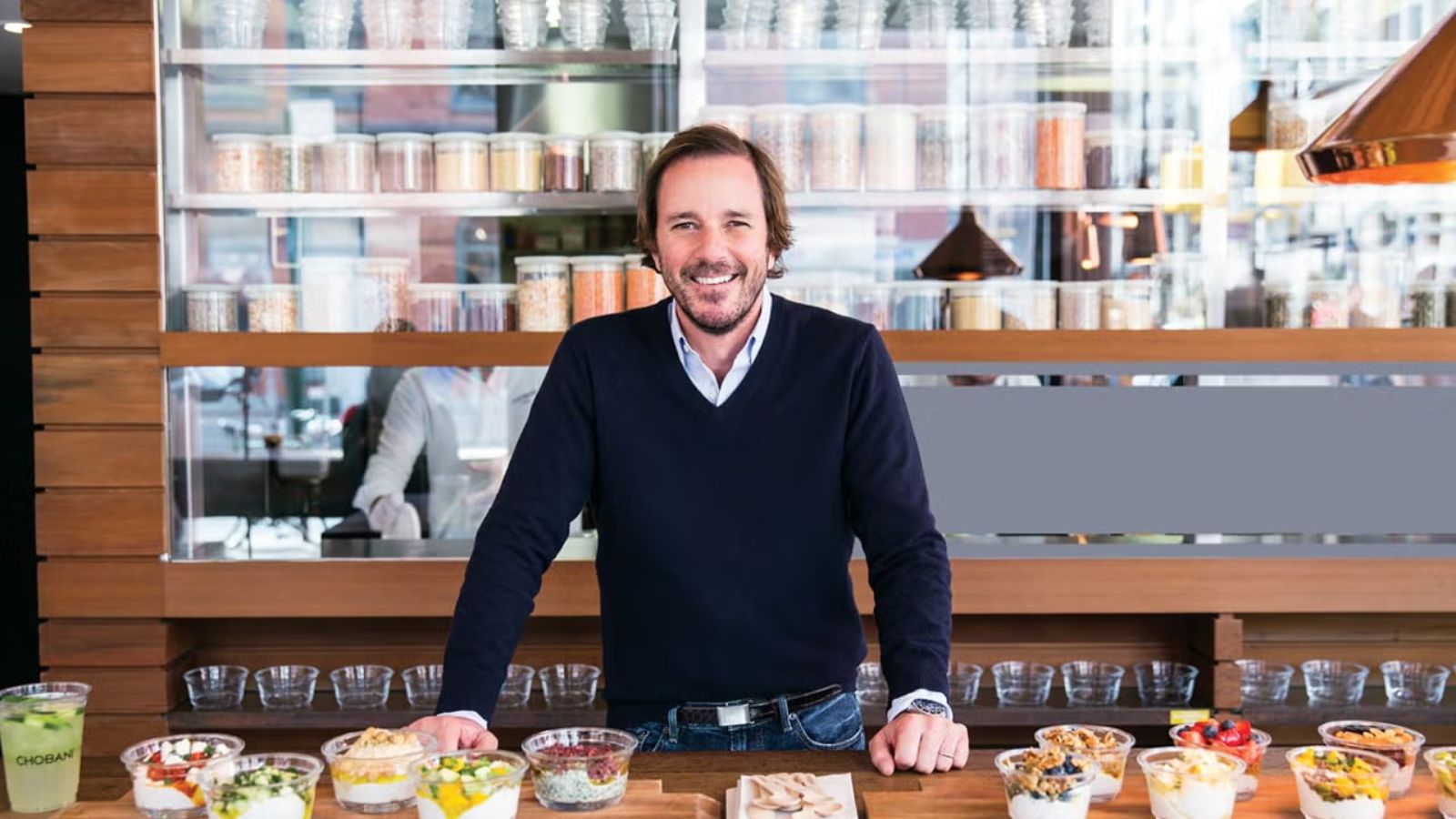
On January 31, 2026, Impossible Foods announced the departure of CEO Peter McGuinness, marking a significant Impossible Foods leadership change during one of the most challenging periods for the plant-based meat sector. McGuinness, who joined the company in 2021 from Chobani, leaves behind an executive team tasked with navigating declining consumer demand and intensifying market pressures.
The Impossible Foods CEO Peter McGuinness departure comes at a critical juncture. Plant-based meat sales have contracted sharply over the past two years, with industry data showing a 13% decline in retail sales during 2024. This downturn has forced nearly every major player—from Beyond Meat to Impossible Foods—to reassess their strategies, cut costs, and refocus on profitability rather than explosive growth.
McGuinness’s exit signals more than just a routine executive transition. It represents the culmination of mounting pressures facing Impossible Foods: softening consumer enthusiasm, increased competition from traditional meat producers launching their own plant-based lines, and the persistent challenge of achieving price parity with conventional meat products. The company’s executive team will now operate collectively without a single CEO at the helm, an unconventional structure that raises questions about the future of Impossible Foods.
Understanding the Impossible Foods CEO Peter McGuinness Departure
Peter McGuinness resigns Impossible Foods after nearly four years of leadership characterized by ambitious expansion plans and aggressive marketing campaigns. His tenure saw the company push into new retail channels, secure partnerships with major restaurant chains, and invest heavily in brand awareness. However, these efforts coincided with a broader market correction that caught the entire plant-based industry off-guard.
The timing of this Impossible Foods CEO Peter McGuinness departure is particularly noteworthy. While the company has not disclosed specific reasons for his exit, industry observers point to several factors that may have contributed to the decision. First, Impossible Foods has struggled to achieve profitability despite significant venture capital backing and widespread retail distribution. Second, the competitive landscape has evolved dramatically, with traditional meat companies like Tyson and Hormel introducing their own alternative protein products at competitive price points.
Moreover, consumer preferences have shifted unexpectedly. Early adopters of plant-based meats were largely flexitarians—consumers who eat meat but want to reduce consumption for health or environmental reasons. Recent surveys indicate that many of these consumers have reverted to conventional meat, citing taste preferences, pricing concerns, and questions about the health profile of heavily processed plant-based alternatives.
The Impossible Foods executive team now faces the challenge of reversing these trends without the guidance of a singular CEO vision. This leadership structure—where multiple executives share responsibility—has precedent in the tech industry but remains relatively uncommon in food manufacturing. Whether this approach will provide the agility needed to adapt quickly or create confusion remains to be seen.
Peter McGuinness Chobani Background and Leadership Style
Before Peter McGuinness resigns Impossible Foods became a reality, he built a formidable reputation transforming Chobani from a yogurt upstart into an American household name. His marketing prowess was legendary in the food industry, with campaigns that emphasized authenticity, health benefits, and emotional connection with consumers.
The Peter McGuinness Chobani background seemed like the perfect fit for Impossible Foods. At Chobani, he oversaw a period of explosive growth, expanding the brand’s product portfolio and market share despite intense competition from established dairy giants. His ability to craft compelling brand narratives and connect with millennial and Gen Z consumers was precisely what Impossible Foods needed as it sought to move beyond early adopters into mainstream markets.
However, the challenges at Impossible Foods proved markedly different from those at Chobani. While Greek yogurt benefited from clear health advantages and growing consumer awareness of probiotic benefits, plant-based meat faced skepticism about processing methods, nutritional profiles, and taste. McGuinness attempted to position Impossible products as healthier and more sustainable alternatives to conventional meat, but these messages struggled to resonate beyond committed vegetarians and environmentally conscious consumers.
His marketing approach at Impossible Foods emphasized emotional appeals and sustainability messaging. Campaigns highlighted the environmental impact of livestock farming, the health implications of reducing red meat consumption, and the ethical considerations of animal agriculture. Despite creative execution and significant media spending, these efforts failed to translate into sustained sales growth as macroeconomic pressures and changing consumer priorities took hold.
The Impossible Foods CEO Peter McGuinness departure also reflects broader questions about whether food industry veterans can successfully navigate the unique challenges of alternative protein companies. These businesses operate at the intersection of technology, sustainability, and consumer packaged goods—requiring expertise in biomanufacturing, supply chain innovation, and traditional food marketing simultaneously.
Impossible Foods Leadership Change: What Happens Next?
The Impossible Foods leadership change introduces uncertainty into an already volatile situation. Rather than appointing a new CEO immediately, the company has opted for a distributed leadership model where the existing executive team collectively manages operations. This structure includes leaders from finance, operations, product development, and sales—each bringing specialized expertise but lacking the unified decision-making authority that a CEO provides.
Industry analysts express mixed opinions about this approach. Proponents argue that collaborative leadership can foster innovation and ensure diverse perspectives inform strategic decisions. Skeptics worry that diffused accountability may slow critical decisions at a moment when the company needs decisive action to stabilize its market position and chart a path to profitability.
The new Impossible Foods CEO question looms large over this transition. Will the company eventually appoint a replacement, or is this executive team structure intended to be permanent? The answer may depend on how successfully the team navigates immediate challenges. If the company stabilizes operations, achieves cost reductions, and identifies new growth opportunities under this structure, there may be no urgency to recruit external leadership.
However, should performance continue deteriorating or strategic disagreements emerge within the executive team, investors may pressure the board to conduct a traditional CEO search. Any new Impossible Foods CEO would need deep food industry experience, understanding of biomanufacturing and alternative proteins, proven ability to drive profitability, and the leadership skills to inspire both employees and investors during a difficult period.
The Impossible Foods company updates in coming months will be critical. Stakeholders will watch closely for signals about product innovation, pricing strategy, retail partnerships, and financial performance. The company must demonstrate that this Impossible Foods leadership change represents an opportunity for renewal rather than a symptom of deeper organizational problems.
Plant-Based Food Industry News: A Sector in Transition
The Impossible Foods CEO Peter McGuinness departure cannot be understood in isolation from broader plant-based food industry news. The entire sector faces an existential moment as the initial hype surrounding alternative proteins gives way to more realistic assessments of market potential and profitability timelines.
Beyond Meat, Impossible Foods’ primary competitor, has faced even more severe challenges, including significant revenue declines, workforce reductions, and questions about its long-term viability. The company’s stock price has plummeted from its pandemic-era highs, reflecting investor skepticism about near-term growth prospects. These struggles validate concerns that the plant-based meat market may have been overhyped and that achieving mainstream adoption will take longer than early optimists predicted.
Meanwhile, traditional meat companies have adopted a wait-and-see approach to plant-based alternatives. Many initially launched their own products to hedge against potential disruption but have since scaled back or discontinued these offerings due to poor sales performance. Tyson Foods, for example, exited the plant-based meat business entirely, concluding that consumer demand did not justify continued investment.
The future of Impossible Foods hinges on whether the company can differentiate itself in this challenging environment. Several strategic options exist. First, Impossible could focus on improving product taste and texture to better compete with conventional meat on sensory attributes rather than relying solely on sustainability messaging. Second, the company might pursue aggressive cost reduction to achieve price parity with animal-based meat, removing a significant barrier to mainstream adoption.
Third, Impossible Foods could pivot toward ingredients rather than finished consumer products. The company’s heme technology—which gives its products a meat-like flavor and appearance—could be licensed to other food manufacturers, creating a revenue stream that does not depend on direct consumer sales. Fourth, the company might target institutional channels like schools, hospitals, and corporate cafeterias where sustainability priorities and bulk purchasing create favorable conditions for plant-based adoption.
Impossible Foods Company Updates: Financial Pressures and Strategic Pivots
Recent Impossible Foods company updates reveal a company grappling with financial realities that have forced difficult decisions. While Impossible Foods remains privately held and does not disclose detailed financial information, industry sources suggest the company has not yet achieved profitability despite being founded in 2011 and raising over $1.5 billion in venture capital.
The Impossible Foods CEO Peter McGuinness departure may be partly related to investor pressure for a clearer path to profitability. Venture capital firms that funded the company’s early growth now face their own pressures to generate returns for limited partners. With public markets showing little appetite for unprofitable food technology companies and IPO windows effectively closed for money-losing businesses, these investors may have pushed for leadership changes and strategic resets.
Cost reduction has become a top priority. Reports indicate Impossible Foods has implemented workforce reductions and streamlined operations to extend its financial runway. These measures, while necessary for survival, risk undermining innovation capabilities and employee morale at a time when creative problem-solving is essential.
The company’s product strategy has also evolved. Rather than continually launching new products that require separate marketing investments and retail shelf space, Impossible Foods appears to be consolidating around its core burger and ground meat products. This focus allows for more efficient manufacturing and marketing while reinforcing brand recognition in categories where the company has already established presence.
Distribution strategy represents another area of adjustment. Early in McGuinness’s tenure, Impossible Foods pursued ubiquitous availability, pushing into as many retail and foodservice outlets as possible. This approach generated brand awareness but also stretched resources thin and created operational complexities. A more selective distribution strategy—focusing on channels where plant-based products perform best—may improve unit economics even if it reduces overall volume.
The Future of Impossible Foods: Three Possible Scenarios
As we consider the long-term implications of the Impossible Foods CEO Peter McGuinness departure, three scenarios emerge for the company’s trajectory.
Scenario One: Stabilization and Steady Growth
In this optimistic scenario, the Impossible Foods executive team successfully stabilizes operations, achieves profitability within the next 18-24 months, and positions the company for sustainable long-term growth. This outcome requires several developments: consumer preferences for plant-based options rebound as younger generations with stronger sustainability values represent a larger share of food purchasers; technological improvements reduce production costs and improve taste profiles; and Impossible Foods differentiates itself through innovation that competitors cannot easily replicate.
Under this scenario, the distributed leadership model proves effective, with different executives bringing complementary skills that collectively drive better decisions than any single CEO might have made. The company eventually goes public through a traditional IPO or SPAC merger at a valuation that rewards early investors and provides capital for continued expansion.
Scenario Two: Acquisition by Strategic Buyer
A second possibility involves acquisition by a larger food company seeking to secure alternative protein capabilities without bearing the full cost and risk of independent development. Potential acquirers might include major packaged food conglomerates like Nestlé or Unilever, quick-service restaurant chains looking to vertically integrate plant-based offerings, or even traditional meat companies reconsidering their earlier exits from the category.
The Impossible Foods leadership change could facilitate such a transaction by removing a high-profile CEO whose compensation expectations and ego might complicate negotiations. An executive team structure may be more amenable to integration into a larger corporate parent. However, any acquisition would likely occur at a significantly reduced valuation compared to Impossible Foods’ peak, potentially disappointing late-stage investors.
Scenario Three: Continued Decline and Restructuring
The pessimistic scenario involves continued deterioration of the company’s market position, exhaustion of financial resources, and eventual bankruptcy or distressed sale. In this outcome, plant-based meat proves to be a niche category that cannot support multiple well-funded competitors, consumer preferences permanently shift away from highly processed meat alternatives, and Impossible Foods lacks the resources to pivot successfully into new categories or business models.
While this scenario seems extreme given the company’s technological capabilities and brand recognition, it cannot be dismissed entirely. The food industry is littered with once-promising brands that failed to achieve profitability and ultimately disappeared. The Impossible Foods CEO Peter McGuinness departure could be an early warning sign of deeper problems that become apparent only in retrospect.
Lessons for the Plant-Based Food Industry
Regardless of which scenario ultimately unfolds, the Impossible Foods CEO Peter McGuinness departure offers important lessons for the broader plant-based food industry news landscape. First, product quality and price matter more than sustainability messaging for mainstream consumers. While environmentally conscious early adopters may accept taste or price compromises, mass market adoption requires matching or exceeding conventional alternatives on these fundamental attributes.
Second, the path to profitability in food manufacturing is long and capital-intensive. Plant-based meat companies must either achieve massive scale to spread fixed costs across large volumes or find premium pricing strategies that allow for profitability at smaller scale. The middle ground—moderate scale with mass market pricing—appears financially unsustainable.
Third, food technology companies need leadership that combines traditional consumer packaged goods expertise with understanding of novel manufacturing processes and sustainability economics. The Peter McGuinness Chobani background provided the former but perhaps not enough of the latter. Future leaders in this space must bridge these domains effectively.
Fourth, market timing matters enormously. Impossible Foods and its competitors benefited from favorable trends during the 2010s and early 2020s: rising environmental consciousness, health concerns about red meat, and venture capital enthusiasm for disruptive food technologies. As these tailwinds have diminished, the fundamental strength of the business models has been exposed as less robust than many hoped.
Conclusion: An Industry at a Crossroads
The Impossible Foods CEO Peter McGuinness departure symbolizes a pivotal moment for alternative proteins. What began as a mission-driven movement to transform the global food system through innovation now confronts harsh economic realities that will determine which companies survive and how the industry evolves.
Peter McGuinness resigns Impossible Foods having expanded the brand’s reach but falling short of achieving the profitability and sustained growth that would have vindicated the company’s massive valuation and ambitious vision. The Impossible Foods executive team inherits these challenges along with the responsibility to chart a new course forward.
The future of Impossible Foods depends on factors both within and beyond the company’s control: consumer preferences, competitor actions, ingredient costs, technological breakthroughs, and macroeconomic conditions. What remains certain is that the plant-based food industry news cycle will closely follow how Impossible Foods responds to this Impossible Foods leadership change.
Whether this transition proves to be a strategic reset that enables long-term success or a prelude to further difficulties will become clear in the coming quarters. For now, the Impossible Foods CEO Peter McGuinness departure reminds us that even the most innovative and well-funded companies must ultimately deliver financial results that justify their existence—regardless of how compelling their mission or how talented their leaders.
FAQs
Q1: Why did Peter McGuinness leave Impossible Foods?
A1: While Impossible Foods has not disclosed specific reasons for the Impossible Foods CEO Peter McGuinness departure, industry analysts point to challenging market conditions, profitability pressures, and declining plant-based meat sales as likely contributing factors. The company now operates under a distributed executive team structure rather than appointing a new CEO.
Q2: Who will replace Peter McGuinness as CEO of Impossible Foods?
A2: Impossible Foods has not appointed a new CEO following Peter McGuinness’s departure. Instead, the company’s existing executive team is collectively managing operations, with leaders from finance, operations, product development, and sales sharing responsibility. It remains unclear whether the company will eventually recruit a new CEO or maintain this structure long-term.
Q3: What challenges is Impossible Foods currently facing?
A3: Impossible Foods faces multiple challenges including declining consumer demand for plant-based meat products, intense competition from both alternative protein companies and traditional meat producers, difficulties achieving price parity with conventional meat, and pressure from investors to demonstrate a clear path to profitability after years of losses.
Q4: How is the plant-based meat industry performing overall?
A4: The plant-based meat industry is experiencing significant headwinds with declining retail sales, reduced consumer enthusiasm, and financial difficulties across major players. Many companies have implemented workforce reductions and strategic pivots as they adjust to more modest growth expectations compared to the optimistic projections from earlier in the decade.
Q5: What was Peter McGuinness’s background before joining Impossible Foods?
A5: Peter McGuinness served as Chief Marketing Officer at Chobani, where he built a strong reputation for transforming the yogurt brand into a major American household name through innovative marketing campaigns. His consumer packaged goods expertise and marketing prowess were key factors in his recruitment to Impossible Foods in 2021.
Q6: Will Impossible Foods survive this leadership transition?
A6: While the outcome remains uncertain, Impossible Foods possesses significant advantages including strong brand recognition, proprietary technology, established retail distribution, and substantial venture capital backing. Success will depend on the executive team’s ability to achieve profitability, adapt to changing market conditions, and differentiate the company from competitors.
Q7: What does this mean for the future of plant-based foods?
A7: The Impossible Foods CEO Peter McGuinness departure reflects broader challenges facing the plant-based food sector but does not necessarily signal the end of alternative proteins. The industry is likely entering a maturation phase where sustainable business models and product excellence matter more than rapid growth, with consolidation probable as weaker players exit and stronger companies focus on profitability.