
FreshCheck Funding: £150,000 British Design Fund Investment Transforms UK Hygiene Verification

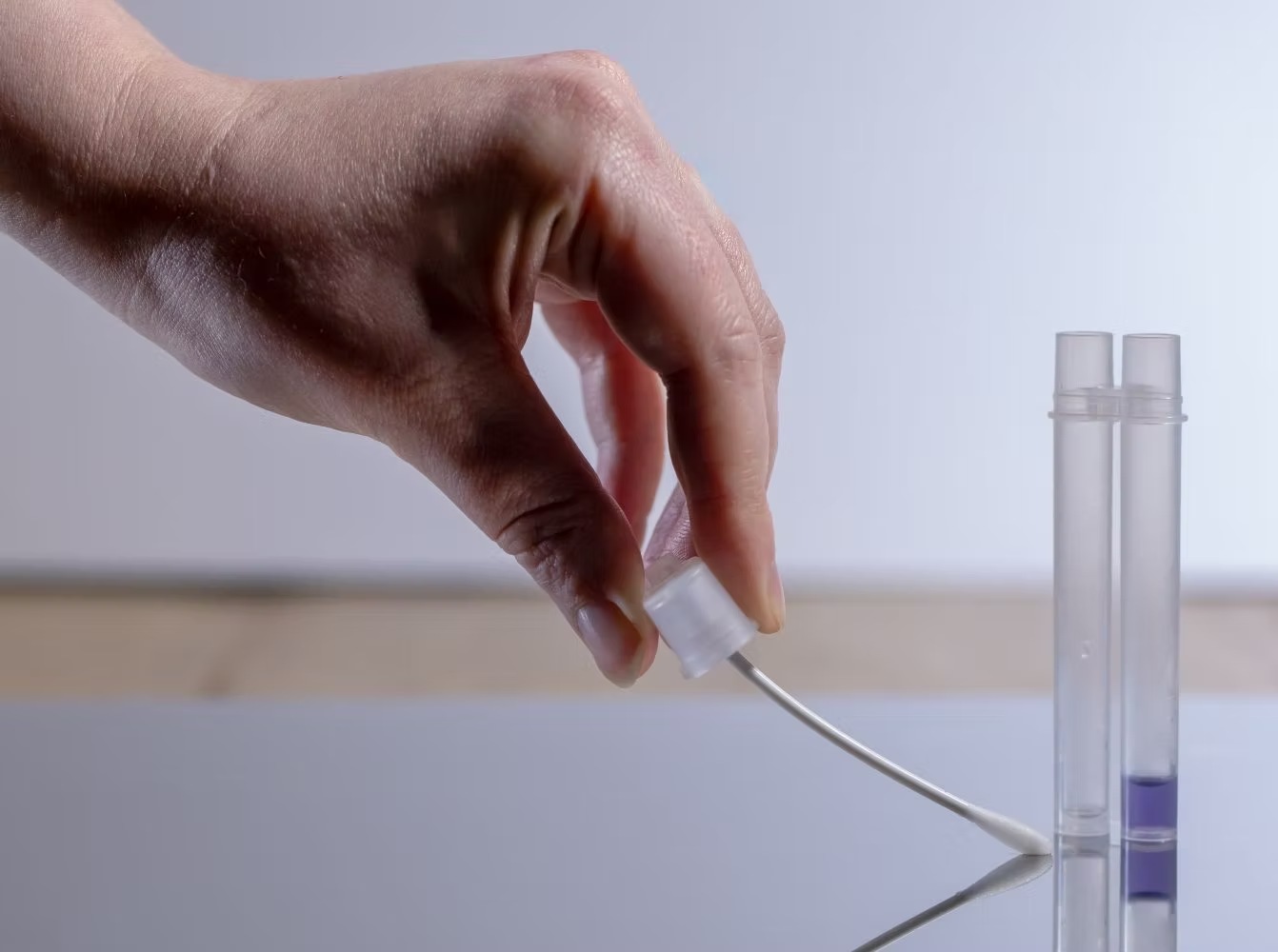
FreshCheck funding of £150,000 from the British Design Fund marks a pivotal moment for UK hygiene verification technology. This London-based startup just secured crucial backing to accelerate its patented colour-change hygiene system across food safety and healthcare sectors. And here’s the thing—this isn’t just another funding announcement. It’s a validation of how simple, affordable innovation can disrupt an industry dominated by expensive, complex equipment.
Founded by Imperial College London PhD alumni Dr. John Simpson and Dr. Alex Bond, FreshCheck creates intuitive tools that make contamination visible. Think of it like a pregnancy test for bacteria—simple, visual, immediate. The company emerged from Imperial’s entrepreneurial ecosystem in 2015, building on years of scientific research into bacterial detection. What’s really interesting is how they’ve translated complex chemistry into something anyone can use, no lab required.
How FreshCheck Funding Will Revolutionize Hygiene Testing
The core innovation driving this hygiene verification startup funding centers on elegantly simple chemistry. The technology uses iron-dye interaction that appears purple when you apply it to a surface. If it changes colour, you’ve got contamination—either bacteria or food residue. Simple as that.
Traditional hygiene testing creates massive barriers for small businesses. Complex ATP systems demand luminometers costing thousands of pounds. FreshCheck’s approach? It makes reliable contamination detection available to everyone. For too long, proper hygiene testing has been limited to those who can afford costly tools. Their mission is making contamination visible with easy-to-use, affordable products that protect consumers and patients.
The technology evolved through several iterations before hitting its sweet spot. Initially conceived as a food labeling application, the company pivoted toward surface hygiene testing after market feedback revealed stronger demand. FreshCheck now offers a hygiene testing swab specifically designed for food and hospitality surfaces. This demonstrates remarkable agility—they listened to customers and adapted fast.
FreshCheck vs Traditional ATP Testing:
- Cost: FreshCheck swabs cost pennies; ATP luminometers cost £2,000-£5,000
- Speed: Visual results in 2-3 minutes vs 10-15 minutes for ATP
- Training: Minimal (colour change is obvious) vs extensive equipment training required
- Portability: Fits in your pocket vs bulky electronic device
- Interpretation: Anyone can read it vs requires technical knowledge
FreshCheck Funding Accelerates Healthcare Expansion Plans
The FreshCheck £150,000 investment arrives at a crucial juncture. This British Design Fund FreshCheck partnership specifically targets product range expansion and healthcare sector penetration. The funding will support plans to explore new applications in healthcare, where hygiene monitoring remains a persistent challenge.
Damon Bonser, CEO of British Design Fund, said: “FreshCheck exemplifies the kind of purposeful innovation we look for, where practical design meets real-world impact. Their approach to hygiene verification is timely, scalable, and rooted in solving a genuine challenge.”
But here’s what makes this funding particularly significant—it builds on FreshCheck’s track record. The company’s raised £2 million total, demonstrating growing investor confidence. This cumulative capital shows that hygiene verification startup funding is flowing to solutions that actually work in the real world.
British Design Fund maintains a focused strategy. They specifically invest in UK product design and manufacturing companies with strong intellectual property protection. FreshCheck aligns perfectly—patented technology addressing critical hygiene challenges with clear societal benefits.
Addressing Critical Food Safety Challenges
Food safety remains paramount across UK hospitality and food production sectors. The Food Standards Agency oversees compliance through the Food Hygiene Rating Scheme, evaluating businesses on cleanliness standards. And let’s be honest—maintaining those standards isn’t cheap or easy.
Microbial contamination poses serious risks throughout food supply chains. Pathogens like E.coli, Salmonella, Listeria, and Campylobacter cause foodborne illnesses with significant public health consequences. Effective surface hygiene verification prevents cross-contamination during food preparation and processing.
FreshCheck’s solution addresses practical daily challenges. Current verification methods often require sending samples to laboratories, creating delays between testing and results. Time-consuming processes mean contamination issues may go undetected until after products reach consumers. FreshCheck delivers rapid, accurate hygiene verification right where you need it.
The COVID-19 pandemic heightened public awareness of surface hygiene importance. Consumer expectations for demonstrable cleanliness standards increased dramatically. This cultural shift created expanded market opportunities for accessible hygiene verification technologies like FreshCheck.
What Makes FreshCheck’s Technology Different
FreshCheck’s technology offers several distinct competitive advantages. Think about it this way—traditional ATP testing measures adenosine triphosphate as a contamination proxy. Sounds scientific, right? But it requires expensive luminometers that smaller establishments simply can’t afford.
The colour-change swab system eliminates hardware requirements entirely. Visual results appear within minutes without specialized readers or laboratory analysis. Staff members need minimal training—if it changes colour, the surface needs recleaning. The proprietary technology is beautifully simple: colour change on contact with bacteria or food debris.
Flexibility represents another crucial advantage. In any market where contamination is an issue, FreshCheck can build a product to help. This adaptability enables the company to serve diverse sectors including food production, hospitality, healthcare, and potentially pharmaceutical manufacturing.
The company’s also developing complementary digital solutions. FreshCheck is creating a companion app enabling auditable hygiene record keeping, supporting businesses in ensuring safety and compliance with health standards. Digital record-keeping streamlines compliance documentation while providing valuable data analytics capabilities.
Dr. John Simpson, co-founder of FreshCheck, explained: “We wanted to minimize behaviour change. People are used to using swabs, even if expensive readers are needed for results. So we put our colour-change technology into a swab format—familiar process, better results, lower cost.”
Healthcare Sector: The Next Frontier for FreshCheck Funding
Healthcare represents a massive growth opportunity for this UK hygiene tech startup. Hospital-acquired infections affect millions of patients annually, with environmental contamination playing a significant role in transmission. Antimicrobial resistance continues escalating as a global health threat—and honestly, this funding couldn’t come at a better time.
Proper surface cleaning reduces pathogen transmission before antimicrobial interventions become necessary. With growing demands for antimicrobial stewardship and data-driven auditing, FreshCheck is redefining hygiene verification. Preventing contamination through verified cleaning proves more effective than combating established infections.
Healthcare facilities face unique hygiene challenges compared to food service environments. Patient care equipment, surgical instruments, and high-touch surfaces require meticulous decontamination. Current verification methods often prove cumbersome within fast-paced clinical settings. FreshCheck’s rapid visual feedback system could transform healthcare hygiene workflows.
The technology’s versatility extends beyond surface testing. The core colour change works really nicely in a swab, but it also works well in hand wipes. It would work well in smart bandages too. Smart bandages incorporating contamination detection could alert clinicians to wound infections at early stages, significantly improving patient outcomes.
Small Business Impact: Leveling the Playing Field
Small and medium-sized food businesses face disproportionate challenges maintaining compliance with food safety regulations. Resource constraints limit access to expensive testing equipment and laboratory services. Staff training requirements add complexity for establishments with high employee turnover.
FreshCheck’s affordable, intuitive solution levels the playing field. Independent restaurants, cafes, and catering businesses can now implement robust hygiene verification without capital equipment investments. Visual results require minimal training, reducing onboarding friction for new staff members.
Compliance documentation represents another significant burden for small businesses. Paper-based record-keeping is cumbersome and error-prone. Digital solutions often carry subscription costs that strain tight budgets. FreshCheck’s companion app addresses these pain points through streamlined, affordable digital record management.
The Food Hygiene Rating Scheme influences consumer choice significantly. Establishments with higher ratings attract more customers and command premium pricing. Effective hygiene verification helps businesses achieve and maintain top ratings. This creates tangible return on investment beyond pure compliance value.
Environmental sustainability considerations increasingly influence purchasing decisions. FreshCheck’s approach appeals to environmentally conscious businesses. Eliminating reliance on electronic readers reduces electronic waste compared to traditional ATP testing systems.
Real-World Customer Testimonial:
Sarah Mitchell, owner of The Green Kitchen café in Manchester, shares: “Before FreshCheck, we couldn’t afford proper hygiene testing equipment. Now we test every surface during prep and closing. Our Food Hygiene Rating jumped from 3 to 5 stars within six months. Customers notice the difference—and so does our bottom line.”
UK Startup Funding Landscape and FreshCheck’s Position
UK early-stage investment activity demonstrates resilience despite economic headwinds. Purpose-driven startups addressing societal challenges attract growing investor interest. Hardware-focused ventures face unique funding challenges compared to software businesses, making specialized funds like British Design Fund particularly valuable for companies like FreshCheck.
Government initiatives support innovation in food safety and healthcare technologies. Innovate UK provides grants for promising technologies addressing strategic priorities. These public funding sources complement private investment, de-risking early development stages.
The British Design Fund’s investment approach emphasizes more than capital provision. Alongside financial investment, it’s the mentoring and support offered that’s invaluable. A range of mentors give their time and expertise generously, providing an unparalleled resource from which companies can draw. This comprehensive support model increases portfolio company success rates.
Investor criteria reflect lessons learned from previous funding cycles. The fund only invests in companies with registered intellectual property protection and SEIS or EIS advance assurance. IP protection creates defensible competitive moats while tax-advantaged investment schemes improve investor returns.
Future Growth: Series A and Beyond
The company’s actively preparing for Series A fundraising to fuel next-phase growth. Series A investment will allow FreshCheck to expand its platform technology, building on the foundation of colour-changing swabs to offer even more comprehensive hygiene verification solutions. They’ve got a clear road-map to build out their commercial team while maintaining R&D programs.
Expansion plans target multiple fronts simultaneously. Product development continues exploring new applications for the core technology. Commercial team expansion will accelerate market penetration across target sectors. Research and development investments ensure the company maintains technological leadership.
Accessible hygiene verification represents a key strategic objective. One of the company’s goals from the outset was ensuring these tests are accessible to wider market sectors—restaurants, hotels, schools and beyond can all ensure proper cleaning processes. Democratizing access to reliable hygiene verification creates vast market opportunities while delivering genuine social benefits.
Healthcare sector applications remain a long-term strategic priority. Overall sights are set on innovating healthcare sector cleaning to curb the rise of antimicrobial resistance by ensuring good cleaning removes the threat in the first place. This mission-driven approach aligns with global health priorities while addressing commercially attractive markets.
Partnership achievements demonstrate market validation. Achieving BRCGS partnership was a critical step in proving the reliability and compliance of FreshCheck’s solution. This accreditation demonstrates their technology meets the highest standards in food safety, opening doors to larger clients in food manufacturing and retail sectors.
Global Implications for Food Safety Innovation
Hygiene verification innovations developed in the UK influence global food safety practices. Technologies proving effectiveness domestically often expand into international markets. FreshCheck’s simple, scalable solution translates readily across different regulatory environments and food cultures.
Developing nations face acute food safety challenges with limited laboratory infrastructure. Affordable, equipment-free testing solutions could transform hygiene standards in resource-constrained settings. This creates both humanitarian impact and substantial market opportunities for companies like FreshCheck.
International regulatory harmonization facilitates cross-border technology adoption. Global standards organizations increasingly align food safety requirements. Technologies meeting stringent UK and EU standards gain credibility worldwide, smoothing international expansion pathways.
The post-pandemic emphasis on hygiene creates sustained tailwinds for the sector. Public expectations for visible cleanliness standards show no signs of diminishing. Businesses investing in robust hygiene verification gain competitive advantages through enhanced customer confidence.
Climate change introduces new food safety challenges as temperature fluctuations affect pathogen growth patterns. Verification technologies must adapt to evolving threat landscapes. Companies maintaining active research programs, like FreshCheck, position themselves to address emerging needs.
Competitive Landscape: Who’s Competing for Market Share?
FreshCheck faces competition from established players and emerging startups in hygiene verification. Traditional ATP testing companies like Hygiena and 3M dominate the enterprise market with established customer relationships. However, their high equipment costs and complexity create opportunities for disruptive innovations.
Emerging competitors include biotechnology startups developing rapid pathogen detection systems. Some focus on molecular diagnostics requiring lab equipment, while others explore sensor-based approaches. FreshCheck’s hardware-free, visual detection method occupies a unique niche—affordable, immediate, and accessible to all business sizes.
The competitive advantage lies in simplicity and economics. While sophisticated systems offer detailed microbial analysis, many businesses simply need to know: “Is this surface clean or not?” FreshCheck answers that question immediately, affordably, and intuitively. That’s powerful differentiation in price-sensitive markets.
Dr. Alex Bond, co-founder, notes: “We’re not trying to replace laboratory analysis for critical applications. We’re providing everyday hygiene verification that’s accessible to everyone. Our competition isn’t other startups—it’s the current practice of not testing at all because existing solutions are too expensive or complicated.”
The Road Ahead: What This Funding Enables
So what does this FreshCheck funding actually enable? Let’s break it down:
Immediate priorities include expanding production capacity to meet growing demand. The company’s securing manufacturing partnerships to scale up swab production while maintaining quality standards. They’re also hiring additional commercial team members to accelerate market penetration across target sectors.
Medium-term objectives focus on healthcare market entry. The funding supports clinical trials and regulatory approvals needed for hospital applications. They’re developing specialized products for different healthcare environments—operating rooms, patient wards, long-term care facilities.
Long-term vision encompasses global expansion and platform diversification. FreshCheck aims to become the standard for accessible hygiene verification worldwide. The technology platform can adapt to various contamination detection needs beyond current applications.
Partnership development represents another key priority. FreshCheck is exploring collaborations with food safety equipment distributors, healthcare supply chains, and facilities management companies. These partnerships will accelerate market access while providing valuable customer insights.
Conclusion: A New Standard for Hygiene Verification
FreshCheck funding from the British Design Fund represents more than capital injection—it’s validation of a vision. The vision that hygiene verification shouldn’t require expensive equipment, specialized training, or laboratory analysis. It should be simple, affordable, and accessible to everyone who needs it.
The company’s journey from Imperial College labs to commercial success illustrates the power of purpose-driven innovation. By listening to customers, adapting quickly, and maintaining focus on solving real problems, FreshCheck has created technology that genuinely improves food safety and public health.
Looking ahead, the impact of this hygiene verification startup funding will extend far beyond FreshCheck’s immediate growth. It’s catalyzing broader industry transformation toward accessible, user-friendly hygiene solutions. As antimicrobial resistance escalates and food safety demands intensify, innovations like FreshCheck become not just valuable—they become essential.
The question isn’t whether simple, affordable hygiene verification will become the standard. The question is how quickly businesses will adopt it. With £150,000 in fresh funding and a proven track record, FreshCheck is positioning itself to lead that transformation.
For businesses struggling with expensive ATP systems or lacking hygiene verification entirely, FreshCheck offers a compelling alternative. For healthcare facilities seeking to reduce hospital-acquired infections, it provides accessible tools for environmental monitoring. For the broader society concerned about food safety and antimicrobial resistance, it represents practical progress toward genuine solutions.
This is what purposeful innovation looks like—solving real problems for real people with technology that actually works. And honestly, we need more of it.
Frequently Asked Questions
How exactly does FreshCheck’s colour-change technology work?
FreshCheck’s patented technology uses iron-dye chemistry that appears purple when applied to a surface via swab or spray. When the solution contacts bacteria or food residue, a chemical reaction causes a visible colour change. This immediate visual feedback indicates contamination, telling you the surface needs recleaning. It’s similar to how pH strips work—simple chemistry creating visible results anyone can interpret without specialized equipment or training.
What’s included in the £150,000 FreshCheck funding package?
The FreshCheck funding includes £150,000 in capital investment plus extensive mentoring support from British Design Fund’s network of industry experts. The funding specifically supports product range expansion, healthcare sector market entry, and commercial team development. Beyond capital, the British Design Fund provides strategic guidance, industry connections, and ongoing mentorship to accelerate FreshCheck’s growth trajectory. This comprehensive support model significantly increases the company’s chances of scaling successfully.
How does FreshCheck compare to traditional ATP hygiene testing?
FreshCheck eliminates the main barriers of traditional ATP testing. While ATP systems require luminometers costing £2,000-£5,000, FreshCheck swabs cost just pennies per test. ATP testing takes 10-15 minutes and requires equipment training; FreshCheck delivers visual results in 2-3 minutes with minimal training needed. FreshCheck is also completely portable (fits in your pocket) versus bulky ATP readers. For small businesses, this makes professional hygiene verification financially accessible for the first time.
Which industries benefit most from FreshCheck’s technology?
FreshCheck serves multiple industries including restaurants, hotels, catering companies, food production facilities, healthcare settings, and potentially pharmaceutical manufacturing. The technology is particularly valuable for small and medium-sized businesses that can’t afford expensive ATP testing equipment. Healthcare facilities benefit from rapid environmental monitoring to prevent hospital-acquired infections. Any industry where surface hygiene matters—from commercial kitchens to hospital operating rooms—can benefit from FreshCheck’s affordable, immediate verification.
What are FreshCheck’s plans for the healthcare sector?
FreshCheck is using part of the British Design Fund FreshCheck partnership to develop healthcare-specific applications. This includes clinical trials for hospital use, regulatory approvals for medical environments, and specialized products for different healthcare settings. The company’s exploring smart bandages incorporating contamination detection technology that could alert clinicians to wound infections early. Long-term goals include becoming a standard tool for antimicrobial stewardship programs, helping reduce hospital-acquired infections through verified environmental cleaning.
How can small restaurants afford hygiene verification with FreshCheck?
That’s exactly why FreshCheck exists—making hygiene verification accessible to businesses of all sizes. Unlike ATP systems requiring thousands of pounds upfront for equipment, FreshCheck swabs cost pennies per test with no capital equipment investment needed. Small restaurants can start with as few tests as they need, scaling up as budgets allow. The companion app provides free digital record-keeping for compliance documentation, eliminating additional software subscription costs. Many small businesses report their Food Hygiene Rating improvements justify the minimal testing costs through increased customer traffic.
What’s next for FreshCheck after this funding round?
FreshCheck is actively preparing for Series A fundraising to further expand its platform technology. Immediate priorities include scaling up production capacity, expanding the commercial team, and entering healthcare markets. The company’s developing additional product formats beyond swabs, including hand wipes and potentially smart bandages. They’re also enhancing their companion app for more sophisticated data analytics. Long-term vision includes global expansion and establishing FreshCheck as the worldwide standard for accessible hygiene verification across multiple industries.