
Even Healthcare’s $20 Million Funding Signals Remarkable Shift in India’s Healthcare Investment Landscape

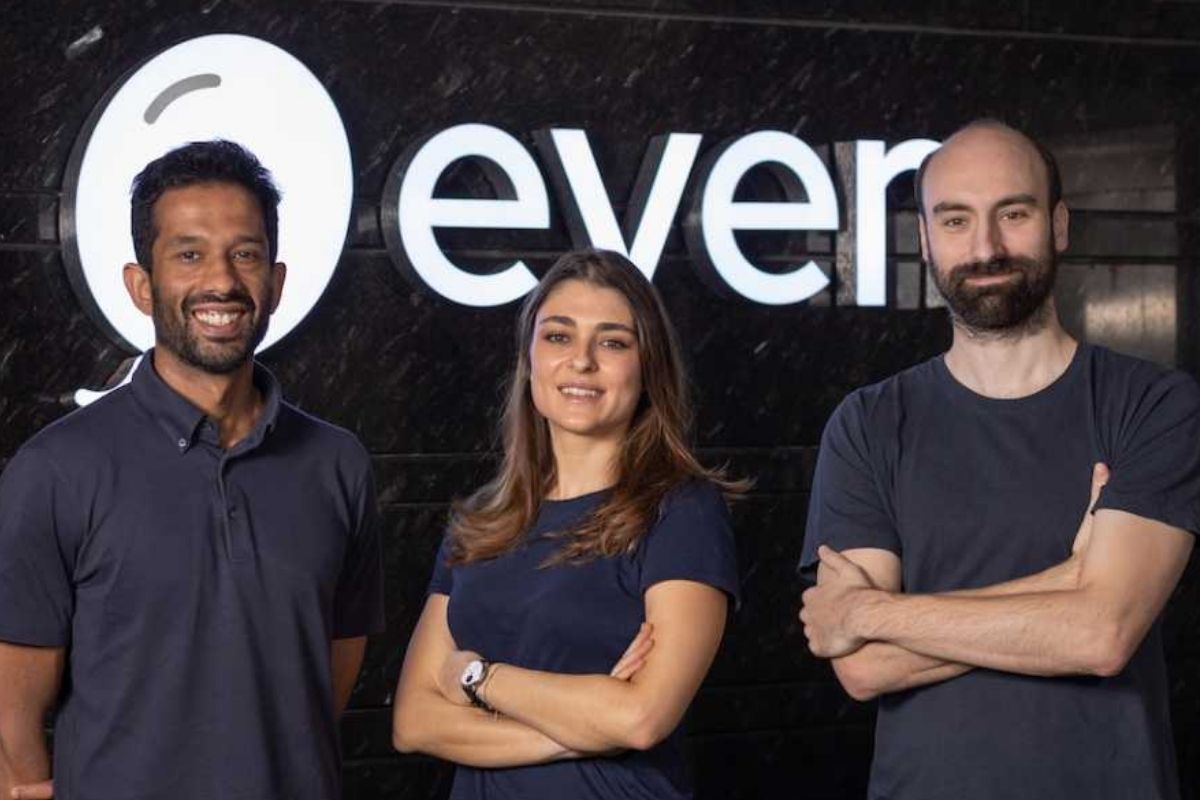
Even Healthcare has raised $20 million in fresh funding to expand its managed-care hospital network in Bengaluru, while more than doubling its valuation within a year. This significant Even Healthcare funding round exemplifies the growing confidence investors have in India’s healthcare startup ecosystem, which continues to attract substantial capital despite broader market corrections.
The Bengaluru hospital expansion represents more than just another funding milestone. Even Healthcare achieved operating break-even at its first hospital in just six months, compared to the typical 2-3 years most hospitals require, demonstrating the effectiveness of their managed-care model. This rapid profitability showcases how innovative healthcare startup India companies are redefining traditional healthcare economics.
Revolutionary Managed-Care Model Drives Investor Interest
Led by existing investors Lachy Groom and Alpha Wave, with participation from new investor Sharrp Ventures, this funding brings Even’s total capital to $70 million. The Even Healthcare Series B funding round demonstrates how managed-care models are gaining traction among sophisticated investors who recognize the structural advantages of integrated healthcare delivery.
What sets Even Healthcare apart in the crowded healthcare startup India landscape is their commitment to patient outcomes over hospital utilization metrics. The company’s model is structurally designed to reduce unnecessary admissions, long stays, and avoidable return visits while maintaining strong business fundamentals.
The results speak volumes about their approach. Across over 350 surgeries, Even Healthcare reported zero unplanned 30-day readmissions, no post-operative infections, and hospital stays 40% shorter than comparable settings. These clinical outcomes justify the significant Indian health tech investment flowing into companies that can demonstrate measurable patient benefits.
Transforming Healthcare Economics Through Technology Integration
Founded in 2020 by Mayank Banerjee, Matilde Giglio, and Alessandro Ialongo, Even Healthcare operates a subscription-based model offering unlimited consultations with doctors alongside comprehensive care services. Their approach eliminates the traditional fee-per-visit structure that often creates barriers to healthcare access.
The company’s technology-driven approach extends beyond simple telemedicine. Their care teams remain accountable across the full patient journey, from 24/7 teleconsultations and coordinated diagnostics to structured recovery support at home. This holistic model represents the future of healthcare delivery in India’s rapidly evolving market.
Even Healthcare’s impressive retention metrics underscore their value proposition. By September 2025, the company achieved a 92% online revenue retention rate, among the highest in the healthcare sector. These metrics demonstrate that when healthcare startup India companies focus on genuine patient outcomes, they create sustainable business models that attract both patients and investors.
Market Context: India’s Healthcare Investment Boom
The Even Healthcare funding announcement comes amid broader transformations in India’s healthcare landscape. The Indian healthcare market is expected to reach $372 billion by 2026. This massive growth trajectory creates compelling opportunities for companies positioned to capture market share through innovative delivery models.
Healthcare leads startup investment growth with 41.2% growth in investment volume, outpacing other sectors. This trend reflects investors’ recognition that healthcare represents one of India’s most significant unmet needs, with technology offering scalable solutions to address systemic challenges.
With over 1.4 billion people and only 1 doctor for every 1,456 people (versus WHO’s recommended 1 per 1,000), India faces massive healthcare access gaps. These structural challenges create sustained demand for innovative solutions like Even Healthcare’s integrated model.
The regulatory environment also supports healthcare innovation. The National Digital Health Mission launched in 2020 aims to create a comprehensive digital health ecosystem, creating opportunities for startups building aligned solutions.
Strategic Expansion Plans and Market Positioning
Even Healthcare plans to utilize the fresh capital to expand its hospital footprint in Bengaluru while scaling its core managed care services. This Bengaluru hospital expansion strategy positions the company to capitalize on one of India’s most dynamic healthcare markets.
The timing of this Indian health tech investment appears particularly strategic. Funding is expected to rebound selectively in 2026, favoring startups that have demonstrated operational excellence, validated clinical outcomes, and measurable impact. Even Healthcare’s track record positions them well for this more selective investment environment.
Investor Lachy Groom highlighted that Even’s ability to combine early profitability with improved clinical outcomes demonstrates that managed care can scale without compromising quality. This validation from experienced healthcare investors signals broader market confidence in the company’s approach.
Clinical Excellence Drives Financial Performance
The company’s clinical performance metrics differentiate them in the competitive healthcare startup India market. Even Healthcare reported a 50% reduction in post-surgery readmissions over the past year. These outcomes translate directly into cost savings for both the company and their members.
Over 200 hospitalizations were averted through monitored at-home recovery pathways. This preventive approach exemplifies how technology-enabled care management can simultaneously improve patient outcomes while reducing system costs.
The financial implications of superior clinical outcomes extend beyond immediate cost savings. The company completed its first ESOP buyback in March 2025, an uncommon milestone for a healthcare startup at this stage. This early employee equity return demonstrates the company’s financial strength and commitment to stakeholder value creation.
Investment Landscape and Future Outlook
India’s startup ecosystem ranks as the third-largest globally in 2025, with over 610,000 startups and 94 unicorns creating a vibrant innovation landscape. Within this ecosystem, healthcare represents one of the most attractive investment sectors due to structural demand and scalability potential.
The recent funding environment shows increased selectivity among investors. While total capital decreased compared to 2024’s peak, average deal sizes have moderated as investors focus on quality, with Series A rounds averaging $5-15M. Even Healthcare’s $20 million raise positions them well above these averages, indicating strong investor confidence.
As of November 2025, India has 8,160 active HealthTech companies, with 1,610 having secured funding. This competitive landscape makes Even Healthcare’s rapid growth and profitability particularly noteworthy.
Technology-Enabled Care Delivery at Scale
The company’s approach to scaling healthcare delivery through technology integration offers lessons for the broader healthcare startup India ecosystem. Their vertically integrated “payvider” model aims to provide the same control over patient experience they’ve achieved with outpatient care.
A 2025 survey found that roughly 50% of Indian hospitals allocate 20-50% of their IT budgets to digital innovation, with healthcare IT spending projected to grow 20-25% over the next 2-3 years. This trend creates favorable market conditions for technology-forward healthcare companies like Even Healthcare.
The integration of clinical care with technology platforms represents a significant shift from traditional healthcare delivery models. Investors are channeling funds into startups capable of delivering measurable outcomes, operational efficiency, and integration into real-world healthcare workflows.
Market Consolidation and Strategic Positioning
As funding tightens, mergers and acquisitions have become a primary growth strategy in HealthTech, with emphasis shifting to strategic consolidation targeting complementary services. Even Healthcare’s strong financial position and operational metrics position them well for potential consolidation opportunities.
The company’s membership model creates significant competitive advantages in this consolidating market. With hundreds of thousands of members generating $28 million in revenue just 1.5 years after commercial launch, Even Healthcare has demonstrated impressive scaling capabilities.
The digital health market, valued at $14.5-16.1 billion in 2024, is projected to reach $76-107 billion by 2033, with telehealth accounting for approximately 45% of digital health revenue. These projections suggest sustained growth opportunities for well-positioned players like Even Healthcare.
Implications for Healthcare Innovation
The Even Healthcare funding success demonstrates how healthcare startup India companies can achieve rapid growth while maintaining focus on patient outcomes. Success is no longer about rapid urban growth or headline-grabbing adoption figures; it’s about creating foundational, long-term impact and serving diverse patient populations effectively.
HealthTech demand is structural and sustainable, rooted in genuine healthcare needs rather than market speculation. This fundamental shift toward outcome-based healthcare delivery creates opportunities for companies that can demonstrate measurable clinical and financial benefits.
The company’s rapid path to profitability challenges traditional assumptions about healthcare scaling. Founder Mayank Banerjee emphasized that their model proves “you can build a hospital that keeps people healthier, puts patients first, and still run a strong business.”
Looking Forward: 2026 and Beyond
The foundation laid in 2025 positions HealthTech to test its resilience in 2026, with funding expected to rebound selectively for startups demonstrating operational excellence. Even Healthcare’s combination of clinical outcomes, financial performance, and market positioning places them at the forefront of this selective recovery.
The broader Indian health tech investment landscape continues evolving toward more mature, outcome-focused companies. 2025 reinforced a shift toward measured, fundamentals-driven funding, favoring scalable business models and proven unit economics.
Even Healthcare’s success story illustrates how healthcare startup India companies can build sustainable competitive advantages through genuine innovation in care delivery. Their approach of combining technology with clinical excellence creates a blueprint that other healthcare entrepreneurs can study and adapt.
The $20 million funding round represents more than capital for expansion – it validates a new paradigm for healthcare delivery in India. As the company continues scaling their Bengaluru hospital expansion and refining their managed-care model, they’re positioning themselves to capture significant market share in India’s rapidly growing healthcare economy.
For investors, patients, and healthcare professionals, Even Healthcare’s trajectory demonstrates that with the right combination of technology, clinical focus, and operational excellence, healthcare startup India companies can create meaningful value while addressing critical societal needs. This Even Healthcare Series B funding success story will likely inspire similar approaches across India’s dynamic healthcare innovation ecosystem.
Frequently Asked Questions
What is Even Healthcare’s business model and how does it work?
Even Healthcare operates a subscription-based managed-care model offering unlimited consultations, diagnostics, and cashless hospitalization through a vertically integrated system that prioritizes patient outcomes over hospital utilization.
How quickly did Even Healthcare achieve profitability at their first hospital?
Even Healthcare achieved operating break-even at their first Bengaluru hospital in just six months, significantly faster than the typical 2-3 years most hospitals require to reach profitability.
What clinical outcomes has Even Healthcare demonstrated?
Across over 350 surgeries, Even Healthcare reported zero unplanned 30-day readmissions, no post-operative infections, 40% shorter hospital stays, and over 200 avoided hospitalizations through monitored at-home recovery.
Who led Even Healthcare’s $20 million funding round?
The funding was led by existing investors Lachy Groom and Alpha Wave, with participation from new investor Sharrp Ventures, bringing Even Healthcare’s total funding to $70 million.
What are Even Healthcare’s expansion plans with the new funding?
Even Healthcare plans to use the capital to expand its hospital footprint in Bengaluru and scale its managed-care model, building on their successful integration of technology with clinical care delivery.
How does Even Healthcare compare to traditional healthcare models in India?
Unlike traditional fee-for-service models, Even Healthcare’s subscription-based approach eliminates per-visit costs while maintaining care team accountability across the entire patient journey, resulting in better outcomes and higher patient satisfaction.
What makes Even Healthcare attractive to investors in the current market?
Even Healthcare combines early profitability with superior clinical outcomes, demonstrating that managed care can scale without compromising quality, while achieving a 92% revenue retention rate in a challenging funding environment.