
“Not Just For Sportspersons”: How Aquon Is Rewriting the Rules of Electrolyte Hydration Drinks in India

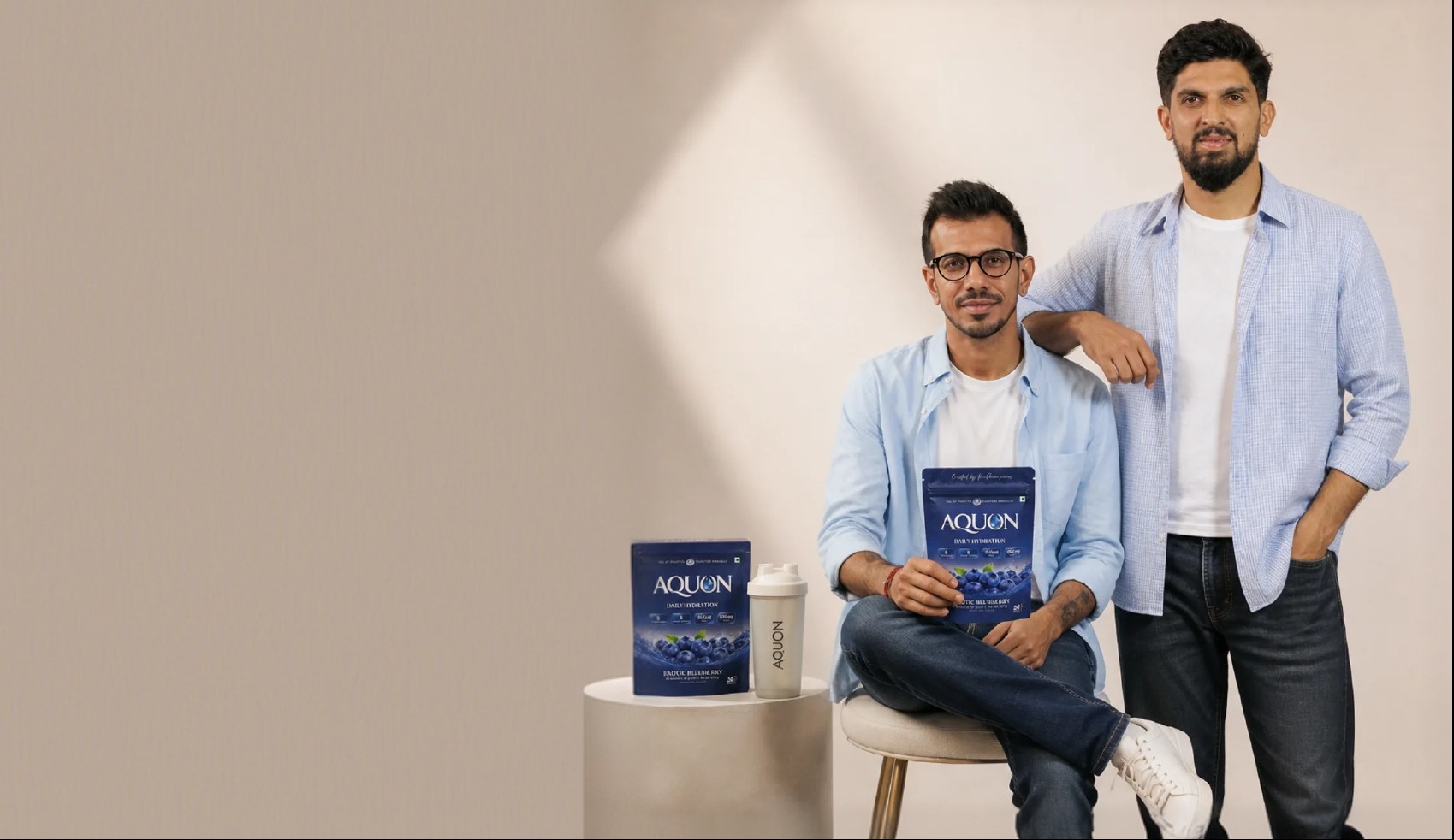
Two of Indian cricket’s most recognizable names have stepped off the pitch and into India’s fast-growing electrolyte hydration drinks market — and their pitch, quite deliberately, is to everyone. Indian cricket stars Yuzvendra Chahal and Ishant Sharma jointly launched a new energy drink named Aquon in Gurugram on July 13, 2026. What sets this launch apart from the typical celebrity health-product push is the intent behind it. Chahal stated that the drink is suitable for people of all ages and has been formulated with an appropriate amount of sugar necessary for the body, adding that alongside their cricketing careers, they wanted to create a product that led to the decision to introduce this energy drink to the market.
That philosophy maps onto a much larger shift already underway across India’s beverage landscape.
Why India Desperately Needs Better Electrolyte Hydration Drinks
India is not just a hot country — it’s a physiologically demanding one. When temperatures in Delhi hit 44°C and humidity in Mumbai creeps past 80%, the body loses more than just water: every time you sweat, you lose sodium, potassium, magnesium, and chloride — the four key electrolytes that keep your muscles firing, your brain sharp, and your energy stable. Drinking plain water in that scenario actually makes things worse. Drinking plain water dilutes the electrolytes you have left, making things less than ideal — and this is precisely where electrolyte drinks come in.
The science backs this up hard. Electrolyte drinks rehydrate 35–50% faster than water, prevent cramps, boost performance, and accelerate recovery. Yet for most Indian consumers, the best electrolyte drink in India has historically meant either a medicated ORS sachet from the pharmacy or a sugary sports drink that’s barely better than soda. That’s the gap Aquon is aiming to fill.
Some parts of India reach temperatures above 45 degrees when summer peaks, according to the Indian Meteorological Department. This extreme heat causes excessive sweating and can lead to dehydration and loss of essential electrolytes like sodium, potassium, magnesium, and chloride. The demand for rehydration drinks for summer has therefore never been more urgent — nor more commercially interesting.
From the Cricket Field to the Kitchen Counter
Most celebrity beverage launches target a niche: gym enthusiasts, weekend warriors, or premium wellness consumers. Aquon is going the other way. Chahal mentioned in an interview: “In my opinion, this energy drink is for everyone. Just like we used to drink Rasna in our childhood, you can use it in the same way. From athletes to people of all ages, everyone can consume it.” He also revealed that it took them about 7 to 8 months to launch the drink after testing various formulations.
That Rasna comparison is not accidental. Rasna was India’s democratized flavoured drink for decades — affordable, household-level, beloved by kids and adults alike. Invoking it signals Aquon’s clear mass-market ambition. The founders aren’t positioning this as sports hydration drinks for elite athletes; they’re going for the daily hydration supplement angle that can live on every Indian kitchen shelf and lunchbox.
Pocari Sweat, a comparable brand internationally, targets a wide audience and provides hydration benefits to consumers — including not only sportspersons but also students and working professionals. Aquon appears to be charting a similar course, but from an unmistakably Indian foundation.
The Functional Beverage Market in India: Enormous, and Still Accelerating
Chahal and Ishant are entering a market with serious tailwinds. The functional beverage market size in India was valued at USD 6.9 billion in 2025 and is projected to reach USD 18.8 billion by 2034, growing at a CAGR of 10.74% from 2026 to 2034. That isn’t just growth — that’s a category on the verge of mainstream explosion.
The functional beverage market in India is evolving fast for structural reasons. Rising health and wellness awareness, busy urban lifestyles, preference for convenient ready-to-drink formats, fitness and active-lifestyle adoption, and a shift away from sugary drinks are the key factors driving consumer adoption. These aren’t trends reserved for metro elites; they’re spreading fast into Tier-II and Tier-III cities where rising incomes are meeting rising aspirations.
India’s health drinks market has a strong opportunity in ORS-compliant drinks, electrolyte beverages, coconut water, sports hydration, and functional water because heat exposure is becoming a recurrent consumption trigger. In other words: climate itself is a growth driver. Every brutal Indian summer — and they’re getting worse — creates new consumers for this category.
The Low-Sugar Electrolyte Powder Opportunity
One of the clearest white spaces in the Indian market is the low sugar electrolyte powder and drink segment. Traditional sports hydration drinks in India have a problem. Many popular “sports drinks” in India are essentially sugar water with a pinch of sodium. High sugar slows gastric emptying, meaning fluids reach your bloodstream more slowly — exactly the opposite of what you want when dehydrated. Look for drinks with low or no added sugar, or those that use a small amount of glucose specifically designed for rapid absorption.
This is a known structural flaw in the mainstream market globally too. Many electrolyte drinks available on retail shelves may contain a high level of added sugar, and some brands have infused artificial colors, sweeteners, and flavors to enhance the product’s taste, appearance, and mouthfeel. The backlash is real: one prominent trend in the global electrolyte hydration drinks market is the surge in demand for natural and clean-label electrolyte drinks, and the primary challenges include high sugar content and health concerns regarding artificial additives.
A well-formulated low sugar electrolyte powder or drink for the Indian market needs a specific mineral profile. Potassium and magnesium are often overlooked but are responsible for preventing muscle cramps — a good electrolyte drink should include both and not just sodium. Aquon’s claim of being formulated with an appropriate amount of sugar suggests the founders are aware of this consumer demand shift. Get the formulation right, and the market is waiting.
Best Electrolyte Drink in India: What the Competition Looks Like
Aquon isn’t entering a vacuum. The hunt for the best electrolyte drink in India is intensely competitive. Major players in India’s health drinks market include Hindustan Unilever, Mondelez India, Zydus Wellness, Nestlé India, Abbott India, Danone India, PepsiCo India, Red Bull India, Coca-Cola India, and HealthKart, among others.
PepsiCo has been particularly aggressive. In January 2023, PepsiCo launched Gatorade Zero in India and Southeast Asia, introducing a sugar-free isotonic drink tailored to health-conscious consumers and aligning with regional diabetes prevention initiatives. Meanwhile, in February 2025, Coca-Cola introduced BodyArmor Lyte in India — an electrolyte-rich hydration drink made with coconut water.
Regional and D2C brands are also proliferating fast. In July 2025, Evocus launched its Hydration IV Electrolytes Drink, a clean-label beverage for wellness-conscious consumers seeking quick, functional hydration without added sugar, preservatives, or artificial ingredients in India’s growing sports hydration segment. And in an interesting Reliance-backed mass-market move, in January 2025, Reliance Consumer Products Limited launched RasKik Gluco Energy, a mass-market rehydration drink priced at INR 10, combining electrolytes, glucose, and real lemon juice in a convenient single-serve format.
This is the landscape Aquon must navigate: global giants with deep pockets, agile D2C brands, and price-aggressive conglomerates all competing for the Indian consumer’s hydration rupee.
Rehydration Drinks for Summer: The Seasonal Urgency Aquon Can Exploit
The category has a powerful seasonal hook. Demand for rehydration drinks for summer spikes dramatically during India’s April-to-July heat peak. India is facing a general hydration problem caused by increased temperature, modern living habits, and lack of awareness about fluid consumption, and an increased rate of people engaging in outdoor physical activities is hiking the consumption rate of sports hydration energy beverages.
Yet the smarter brands are learning not to wait for summer. In a tropical climate like India, where temperatures regularly exceed 35°C and humidity remains high year-round, dehydration is not just a summer problem — it’s a daily performance barrier. That insight is crucial for Aquon’s marketing. Framing electrolyte hydration as a daily habit — a daily hydration supplement for office workers, commuters, homemakers, and students — is far more commercially powerful than a seasonal sports drink positioning.
Dehydration happens from sitting in AC rooms, stress, and commuting — you do not need to be an athlete to benefit from proper mineral balance. This is the very argument Chahal is already making. It’s a smart one.
What Makes a Daily Hydration Supplement Actually Work?
For Aquon to win long-term loyalty as a daily hydration supplement rather than an occasional sports drink, the product itself has to deliver. Here’s what the science says about what effective electrolyte hydration drinks actually need:
- Sodium is the most critical electrolyte for hydration, but the Indian diet is already rich in salts, so formulas don’t need extremely high sodium content — a safe limit would be under 200mg per serving.
- Potassium and magnesium together prevent muscle cramps and are the most frequently under-dosed minerals in mass-market products.
- Glucose balance matters enormously. Even mild dehydration of just 1–2% impairs concentration and mood, and rapid electrolyte restoration can reverse these effects within 15 minutes.
- Clean label formulation is now a consumer expectation, not a premium add-on.
Traditionally, energy drinks and electrolyte drinks contained higher sodium and sugar content. However, consumers’ shift toward healthier lifestyles is changing manufacturers’ perspectives and forcing them to develop innovative, flavorful products without added sugars and sodium, shifting the industry landscape globally.
Celebrity Endorsement in the Electrolyte Space: A Proven Growth Engine
Cricket is arguably the most culturally powerful marketing medium in India. Having two recognizable international cricketers as founders — not just endorsers — gives Aquon a credibility layer that pure marketing budgets cannot easily replicate. Collaboration with celebrities to promote brand is a key driver of market growth: key brands such as Propel, Gatorade, and Lucozade are collaborating with celebrities and sports icons to promote and launch their new products.
But Aquon’s founders are threading a careful needle. Electrolyte beverage manufacturers are well-known for spending millions of dollars on sponsorship deals with major athletic events; sponsorship has grown as the best marketing strategy, allowing for direct linkage between a brand and an event that appeals to a certain target demographic. Chahal and Ishant, however, are deliberately de-athleticizing their product’s identity — pitching it as an everyday drink the way Rasna was, not a performance drug for gym warriors.
That’s a braver bet. And if India’s trajectory in the functional beverage market in India holds — India leads at a projected 7.5% CAGR through 2036 in the global functional drinks space, driven by rising urban middle-class health awareness — it could be exactly the right one.
Conclusion: Aquon’s Mass-Market Bet Could Be the Category’s Inflection Point
The electrolyte hydration drinks category in India is at an exciting and contested crossroads. Global giants are doubling down, regional players are proliferating, and now two of cricket’s most familiar faces are launching a brand with a distinctly democratic vision. Aquon isn’t chasing the performance-supplement niche. It’s chasing the Indian household.
If the formulation delivers on the low-sugar, all-ages promise, and if the distribution can reach beyond premium supermarkets into the kirana network that truly defines mass-market India, this could be significant. The functional beverage market in India is racing toward nearly USD 19 billion by 2034 — and the brands that win won’t be the ones who talk to athletes. They’ll be the ones who talk to everyone.
Ready to try smarter hydration? Look for electrolyte drinks that prioritize balanced minerals over sugar, check that the formulation suits your daily lifestyle, and don’t wait for a workout to make hydration a habit.
Frequently Asked Questions
What is Aquon, and who launched it?
Aquon is a new electrolyte energy drink launched by Indian cricketers Yuzvendra Chahal and Ishant Sharma in Gurugram on July 13, 2026. The founders spent approximately 7 to 8 months testing various formulations before the launch. The drink is positioned as suitable for people of all ages, not just athletes.
Why are electrolyte hydration drinks important in India specifically?
India’s tropical and subtropical climate means that temperatures in several parts of the country regularly exceed 45 degrees Celsius during peak summer, according to the Indian Meteorological Department. This causes heavy sweating and rapid loss of key electrolytes like sodium, potassium, magnesium, and chloride. Replenishing these minerals through electrolyte drinks is essential to prevent dehydration, muscle cramps, fatigue, and cognitive impairment.
How is the functional beverage market in India growing?
The functional beverage market in India was valued at USD 6.9 billion in 2025 and is projected to reach USD 18.8 billion by 2034 at a CAGR of 10.74%, according to IMARC Group. This growth is driven by rising health consciousness, urbanization, busier lifestyles, and a consumer shift away from sugary carbonated beverages toward functional, wellness-oriented drinks.
What should I look for in the best electrolyte drink in India?
A good electrolyte drink for Indian consumers should contain balanced sodium (ideally under 200mg per serving, given India’s already salt-rich diet), potassium, and magnesium to prevent muscle cramps. Avoid drinks with excessive added sugar, as high sugar slows fluid absorption. Clean-label drinks without artificial colors or preservatives are preferable for daily use.
Are electrolyte drinks only for athletes and sportspersons?
No. While sports hydration drinks were originally marketed to athletes, evidence shows that regular dehydration happens to anyone exposed to heat, air conditioning, stress, or commuting. Aquon’s founders have specifically stated that their drink is designed for all ages and all lifestyles, not just sportspersons.
What makes a low sugar electrolyte powder or drink better than regular sports drinks?
Many mainstream sports drinks contain very high levels of added sugar, which actually slows the rate at which fluids reach the bloodstream — the opposite of what is needed during dehydration. A low sugar electrolyte formulation using small amounts of glucose specifically calibrated for rapid absorption can rehydrate the body significantly faster than plain water or high-sugar alternatives.
Who are Aquon’s main competitors in the Indian electrolyte drinks market?
The competitive landscape includes major global brands like PepsiCo’s Gatorade (which launched Gatorade Zero in India in 2023) and Coca-Cola’s BodyArmor Lyte (launched in India in February 2025), as well as domestic mass-market products like Reliance’s RasKik Gluco Energy, launched at INR 10 in January 2025, and newer clean-label D2C brands.