
Amazon Launches AI Assistant for One Medical Patients: Transforming Primary Care with Intelligent Technology

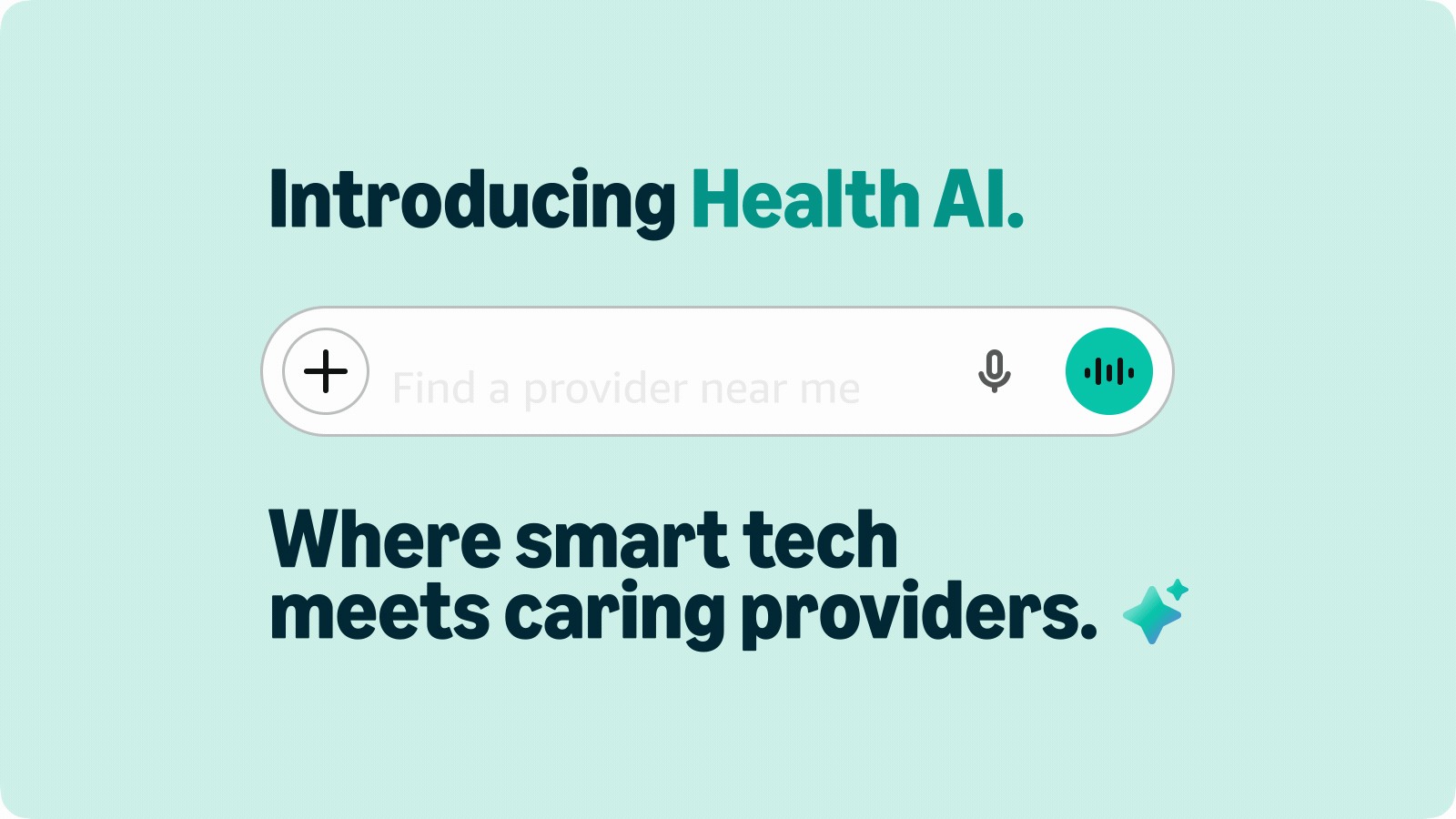
Amazon rolled out Health AI for members of One Medical, the primary care company it acquired for $3.9 billion in 2023. This marks a watershed moment in digital healthcare. The Amazon One Medical AI assistant represents more than another chatbot—it’s a comprehensive health companion designed to tackle the fragmented nature of American healthcare head-on.
Patients now access personalized medical guidance around the clock. Unlike generic health tools scattered across the internet, this AI knows your complete health story. The assistant provides personalized insights drawn from complete medical records, lab results, and current medications—all protected with HIPAA-compliant privacy and security safeguards.
How Amazon AI Helps Patients Navigate Healthcare Complexity
Healthcare in America feels like solving a jigsaw puzzle with missing pieces. Amazon Health Services senior VP Neil Lindsay stated that the U.S. healthcare experience is fragmented, with each provider seeing only parts of your health puzzle. The Amazon AI assistant One Medical changes this dynamic fundamentally.
Health AI uses large language models from Amazon’s Bedrock service to answer questions and provide members with personalized advice based on their medical records, lab results and current medications. Patients can ask questions about symptoms at 3 AM without waiting days for callbacks. The system explains confusing lab results in plain language. Moreover, it books appointments and manages medication refills seamlessly.
Real-world application makes the difference. The agentic assistant makes getting healthcare simpler, more highly personalized, and more actionable by answering health questions, booking appointments, and managing medications. Parents dealing with childhood illnesses find immediate answers. Adults managing chronic conditions receive coaching to stick with their treatment plans.
One Medical Health AI Features That Set It Apart
What distinguishes this Amazon One Medical AI chatbot from competitors? Integration. Amazon says its tool is unique in that patients don’t have to upload medical records from elsewhere. This eliminates the tedious data entry plaguing other health AI platforms.
The Amazon AI assistant One Medical doesn’t just dispense information—it takes action. Patients can:
- Receive personalized health guidance based on their unique medical history
- Get lab results explained in understandable terms
- Book same-day or next-day appointments with providers
- Manage medications and request refills through Amazon Pharmacy
- Access 24/7 support for health questions and concerns
Co-developed with One Medical’s clinical leadership, the Health AI assistant provides 24/7 personalized health guidance grounded in each patient’s unique medical history, and when clinical expertise is needed, seamlessly connects patients to their care team via messaging or booking appointments. This human-AI partnership ensures safety while maximizing convenience.
AI in Primary Care Patient Benefits: Real Impact on Health Outcomes
Primary care stands at a crossroads. Primary health care faces persistent challenges such as workforce shortages, administrative burden, and rising multimorbidity, but artificial intelligence has the potential to support PHC by enhancing diagnosis, workflow efficiency, and clinical decision-making.
The AI in primary care patient benefits extend beyond convenience. According to a survey from Elation Health, 76% of clinicians believe AI features are helping them provide better care, with 61% saying it is reducing stress or burnout. When doctors spend less time on paperwork, they spend more time with patients.
Health AI recognizes when symptoms, situations, or specific queries require human clinical judgment and provides options to connect with providers through messaging, immediate video calls, or in-person appointments—often for the same or next day. The system doesn’t replace doctors; it amplifies their capabilities.
Studies demonstrate tangible improvements. One AI model using patient records predicted colorectal cancer with 73% sensitivity and 84% specificity, while an AI tool using routine blood-test data predicted cardiovascular risk with 86% performance scores. Early detection saves lives, and how Amazon AI helps patients includes identifying health risks before they become emergencies.
Healthcare AI Privacy Concerns: Addressing the Elephant in the Room
Privacy worries dominate conversations about AI in healthcare, and rightfully so. AI’s reliance on extensive patient data amplifies concerns about data security, informed consent, data ownership, and the risk of unauthorized exploitation. Healthcare AI privacy concerns demand transparent answers.
Amazon addresses these worries through multiple safeguards. The company said the assistant will protect private health information with HIPAA-compliant privacy and safety practices, and conversations with the assistant are not automatically added to medical records. Additionally, Amazon doesn’t sell its members’ personal data.
However, healthcare AI privacy concerns extend beyond one company’s policies. The ability to deidentify or anonymize patient health data may be compromised in light of new algorithms that have successfully reidentified such data, which could increase the risk to patient data under private custodianship. Patients should ask providers specific questions about data protection practices.
Healthcare organizations must implement strong safeguards such as encryption, anonymization, and regular audits, while establishing ethical guidelines and complying with regulatory frameworks like HIPAA as vital steps toward secure AI integration. The technology exists to protect privacy—the question becomes whether organizations prioritize it.
The Competitive Landscape: Amazon Versus Other AI Health Tools
Amazon didn’t pioneer AI health assistants. OpenAI and Anthropic launched AI healthcare features in January 2026—OpenAI introduced ChatGPT Health, which synthesizes users’ medical history for tailored advice, while Anthropic launched Claude for Healthcare to analyze health data and help prepare questions for appointments.
What makes the Amazon AI assistant One Medical competitive? Scale and infrastructure. One Medical runs brick-and-mortar clinics and offers telehealth services to members who pay between $99 and $199 annually. Amazon integrates AI across its healthcare ecosystem—from virtual consultations to prescription delivery.
Neil Lindsay, senior vice president of Amazon Health Services, told CNBC that other AI health chatbots provide general health information, but One Medical’s Health AI assistant knows your health story, can take actions based on patient requests, and keeps trusted providers in the lead—it’s the difference between getting answers and getting care.
This positioning matters. Generic chatbots offer advice; Amazon’s system delivers care coordination. The distinction becomes crucial when you’re managing diabetes or recovering from surgery.
Real Patients, Real Results: Early Experiences
A beta version of the assistant was available to select users since early last year. Early adopters report transformative experiences navigating a notoriously difficult healthcare system.
The AI tool can handle patients seeking care for colds, nausea, rashes, sprains and other common urgent care requests—as well as mild to moderate mental health concerns and issues related to chronic diseases. This breadth of capability addresses the most common reasons people seek primary care.
Accessibility improvements stand out. The shortage of primary care providers is a national problem, particularly acute in Massachusetts where the primary care workforce is shrinking faster than most states, prompting Mass General Brigham to turn to artificial intelligence for solutions. When human doctors can’t accommodate demand, AI bridges gaps.
Nevertheless, experts urge caution. Dr. Steven Lin, chief of primary care at Stanford University School of Medicine, argues the safest use of this tool is for urgent care issues like respiratory infections and rashes, while patients with multiple chronic conditions are better off with a regular doctor. The technology excels at specific use cases but shouldn’t replace longitudinal patient-physician relationships.
One Medical Health AI Features: Deep Dive into Capabilities
Beyond basic Q&A, the Amazon One Medical AI assistant performs sophisticated tasks. It can assist with managing medications and book appointments with a user’s One Medical provider. The system analyzes images, though Amazon hasn’t specified whether this includes medical imaging or user-uploaded photos.
In the app, Health AI will explain lab results, offer advice about symptoms and treatments, and help patients book appointments and renew medications. This multi-functionality transforms the patient experience from reactive to proactive.
Clinical safeguards prevent misuse. Amazon said Health AI isn’t intended to provide diagnosis or treatment and shouldn’t replace doctor visits—the tool is programmed with clinical protocols that identify when symptoms or conditions require escalation to a provider or in-person visit. The AI knows its limitations, which paradoxically makes it more trustworthy.
Parents and guardians can get expert medical advice and treatments for their kids for conditions including pink eye, skin rashes, head lice, and asthma prescription renewals. These common pediatric concerns represent exactly the type of straightforward cases where AI excels.
How Amazon AI Helps Patients: The Bigger Picture
Amazon’s healthcare ambitions extend far beyond this AI assistant. Amazon has pushed deeper into healthcare over the past decade—in addition to acquiring One Medical, it bought online pharmacy PillPack for about $750 million in 2018 and launched Amazon Pharmacy two years later.
The synergy creates competitive advantages. Patients can consult the AI, receive prescriptions from their provider, and order medications through Amazon Pharmacy for same-day delivery in some markets. Amazon Pharmacy announced plans to partner with Experity to let patients order prescriptions during urgent care visits and receive same-day delivery—marking Amazon’s first integration of prescription services into a digital health platform focused on urgent care.
Amazon plans to invest up to $50 billion to ramp up AI and supercomputing capabilities for federal agencies, boosting healthcare research and pharmaceutical breakthroughs. This infrastructure investment signals long-term commitment to healthcare innovation.
The Doctor’s Perspective: Support or Disruption?
Physician reactions to AI in primary care reveal complex emotions. A study examining the integration of AI in primary care found physicians have ambivalent and often paradoxical perceptions, positioning AI simultaneously as a valuable clinical support tool and a potential source of disruption within established professional routines.
Benefits appear undeniable for certain tasks. The use of AI scribes leads to lower burnout and lighter cognitive load for users, plus measurable cuts in documentation time according to recent studies. When AI handles administrative tasks, doctors reclaim time for what they entered medicine to do—help patients.
Concerns persist about overreliance. Empirical evidence on how primary care physicians perceive and engage with AI technologies in everyday clinical settings remains limited, with concerns about usability, transparency, and potential impact on professional identity, workload, and the physician-patient relationship. Technology should enhance rather than erode the therapeutic relationship between doctors and patients.
Amazon One Medical AI Chatbot: Technical Architecture
Amazon said the tool was built with the help of Amazon One Medical clinical leaders and used Amazon Web Services’ Bedrock large language models. This collaboration between technologists and clinicians ensures medical accuracy alongside technical sophistication.
The agentic architecture distinguishes this system. Using agentic AI, Health AI is designed to recognize when symptoms, situations, or specific queries require human clinical judgment and provides options for members to connect with their provider. The AI doesn’t just answer—it orchestrates care pathways.
A Health AI assistant has been available to select One Medical members in beta since early 2025, with One Medical actively collecting feedback from members and clinicians to continuously improve accuracy, helpfulness, and capabilities. Iterative development based on real-world use ensures the system evolves appropriately.
Future Implications: Where Healthcare Meets AI
The healthcare industry stands at an inflection point. The contest to define AI’s role in healthcare is shifting from experimentation to execution, with Amazon no longer watching from the sidelines but placing a direct bet that generative AI, tightly coupled with real-world care delivery, can become a core pillar of modern medicine.
Several cost-effectiveness analyses have demonstrated that AI adoption can significantly reduce operational costs in healthcare settings, particularly through decision-support systems, though their generalizability to broader primary care services remains uncertain. Economic pressures will likely accelerate adoption despite lingering questions about comprehensive cost-benefit analyses.
In terms of AI’s ability to minimize inefficiencies and save time, there is no greater return on investment for our healthcare system than applying these innovations to primary care, which has the potential to revolutionize patient engagement and adherence. Primary care represents the foundation of healthcare—improving it ripples throughout the entire system.
Regulatory frameworks struggle to keep pace. The use of AI in healthcare is advancing rapidly, with entities like HITRUST and NIST working towards answering the call for a comprehensive regulatory framework, as the creation of a framework paired with full compliance by organizations using AI applications is critical. Policymakers must balance innovation encouragement with patient protection.
Making the Most of Your AI Health Assistant
For One Medical members ready to engage with the Amazon One Medical AI assistant, understanding optimal use cases helps maximize benefits. Ask the AI about medication side effects you’re experiencing. Request explanations of lab results before your next appointment. Book follow-ups immediately after visits while details are fresh.
Recognize limitations. The AI excels at straightforward questions and administrative tasks but shouldn’t replace in-person evaluation for complex or worsening symptoms. Amazon said Health AI isn’t intended to provide diagnosis or treatment and shouldn’t replace a doctor’s visit. Think of it as a knowledgeable assistant, not a replacement physician.
Privacy-conscious patients should review settings. Amazon said conversations aren’t stored in medical records and no health data is ever sold. Understanding data handling practices empowers informed decisions about what information to share.
The Road Ahead: Predictions and Possibilities
Healthcare transformation rarely happens overnight. The Amazon One Medical AI assistant represents an important step in a longer journey toward more accessible, efficient, and personalized care. Success will depend on continuous refinement based on patient and clinician feedback.
AI holds significant potential to support primary health care when aligned with clinical reasoning, workflow needs, and relational care models, but persistent implementation barriers such as usability challenges, training gaps, and workflow integration issues must be addressed. Technology alone doesn’t solve complex human problems—thoughtful implementation does.
The competitive landscape will intensify as more companies recognize opportunities in AI-powered healthcare. Unlike its competitors, Amazon is already deeply invested in the business of healthcare, having bought primary care and telehealth provider One Medical for $3.9 billion after launching its online pharmacy. This ecosystem approach creates defensible competitive advantages.
Patients ultimately determine success. If the Amazon AI assistant One Medical delivers genuine value—saving time, reducing stress, improving health outcomes—adoption will accelerate. If it feels gimmicky or creates new frustrations, it’ll join the graveyard of overhyped health tech. Early indicators suggest Amazon has built something substantial, but sustained excellence remains the standard.
Frequently Asked Questions
What is the Amazon One Medical AI assistant and who can use it?
The Amazon One Medical AI assistant, called Health AI, is an AI-powered health tool available to One Medical members through the One Medical app. It provides 24/7 personalized health guidance based on your medical records, lab results, and current medications. One Medical membership costs between $99 and $199 annually, with discounts available for Amazon Prime members.
How does the Amazon AI assistant One Medical differ from other health chatbots?
Unlike generic health chatbots, the Amazon One Medical AI assistant automatically accesses your complete medical history without requiring you to upload records manually. It can take actions like booking appointments and managing medications, not just provide general information. The system was co-developed with One Medical’s clinical leadership and includes safety protocols to escalate to human providers when needed.
What can I ask the Amazon One Medical AI chatbot about?
You can ask Health AI to explain lab results, provide advice about symptoms and treatments, help manage medications and refills, book appointments with your One Medical provider, and answer general health questions. It handles common concerns like colds, rashes, sprains, and chronic disease management. However, it’s not intended to diagnose conditions or replace doctor visits.
Is my health information safe with the Amazon One Medical AI assistant?
Amazon states that Health AI follows HIPAA-compliant privacy and security practices. Conversations with the AI are not automatically added to your medical records, and Amazon does not sell members’ personal data. All information is protected under the same health privacy regulations that govern traditional medical care.
How does AI in primary care patient benefits improve my healthcare experience?
AI in primary care offers several benefits including 24/7 access to health guidance, faster appointment booking, medication management support, and explanations of medical results in plain language. Studies show 76% of clinicians believe AI features help them provide better care, and 61% report it reduces stress and burnout, allowing doctors more time to focus on patient care.
What are the main healthcare AI privacy concerns I should know about?
Key healthcare AI privacy concerns include data security, unauthorized access to medical information, informed consent about how AI uses your data, and the potential for data breaches. Amazon addresses these through HIPAA compliance, encryption, and not selling health data. Patients should ask their providers specific questions about data protection practices and understand what information is being collected and how it’s used.
Will the Amazon AI assistant replace my doctor?
No. Amazon designed Health AI to complement, not replace, the doctor-patient relationship. The system is programmed with clinical protocols that recognize when symptoms or conditions require human clinical judgment, and it will recommend connecting with a provider through messaging, video call, or in-person appointment when appropriate. Doctors review all AI recommendations and maintain primary responsibility for your care.