
Zonta Club Grants Transform Small Business Dreams into Reality for Women Entrepreneurs

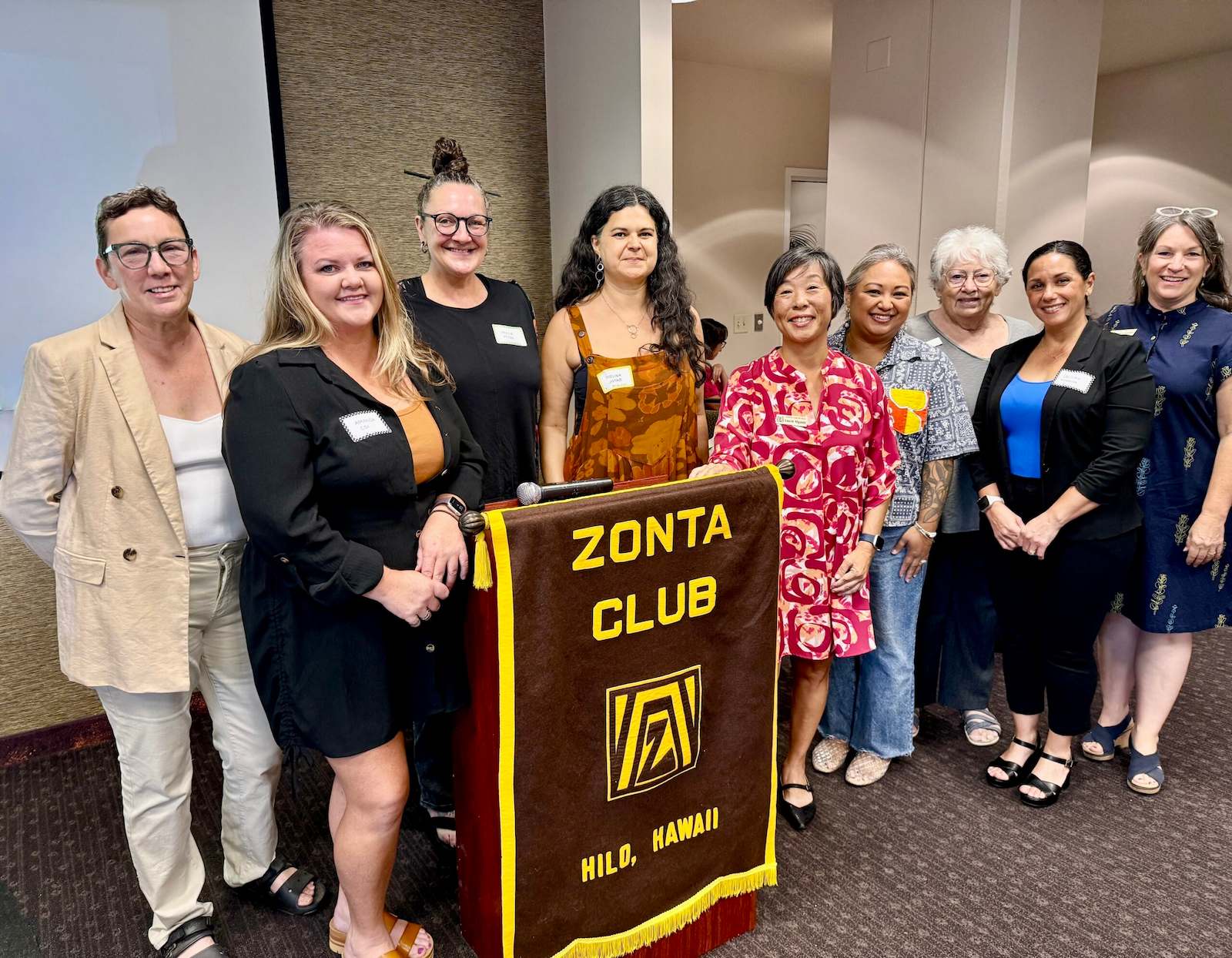
The Zonta Club of Hilo presented $10,000 in microgrants through its Pay It Forward program in 2025, marking the fourth consecutive year of record applications. Six women entrepreneurs on Hawaii Island received financial support to launch or expand their businesses, demonstrating how targeted grants for women entrepreneurs can create ripple effects throughout entire communities.
This remarkable initiative reflects a broader movement addressing a critical challenge: women-owned businesses still face significant barriers accessing traditional funding. While women own 14.5 million businesses in the United States, generating $3.3 trillion in revenue, they continue navigating a landscape where only 36% of loan applications from women-owned businesses were approved in 2024.
Understanding Zonta Club Grants and Their Broader Impact
Zonta International, a global service organization advancing women’s rights and empowering women worldwide, operates through more than 1,200 clubs across 60 countries. Local chapters like the Zonta Club of Hilo have created microgrant programs specifically designed to support women in business leadership roles.
The Hilo chapter’s Pay It Forward program offers grants up to $2,000 to individual applicants, with the total annual funding reaching $10,000 distributed among multiple recipients. This funding structure addresses a crucial gap in the entrepreneurial ecosystem: access to microgrants for female founders who need smaller amounts of capital to achieve specific business milestones.
The 2025 recipients included diverse businesses. Leslie Carroll of Lava Meats used her grant toward rent consolidation for meat processing facilities. Amanda Fox of I Ka Ua Farm produces value-added agricultural products, while Monica Pezze operates Alchemy Farm Hawaii. These examples illustrate how small business grants for women enable entrepreneurs to address immediate operational needs that traditional lenders often overlook.
The Growing Landscape of Grants for Women Entrepreneurs
Women entrepreneurs today navigate an evolving funding landscape. Research shows that women own more than 14 million businesses in the United States, accounting for approximately 39.2% of all firms. Yet accessing adequate business funding for women remains challenging.
Women-owned businesses receive significantly less venture capital than male-led companies, with female-founded startups securing around 2% of global VC funding. This disparity makes alternative funding sources like grants for women entrepreneurs increasingly vital.
The funding gap has real economic consequences. If all women-owned businesses achieved the same average revenue as men-owned businesses, the U.S. economy would see an additional $10.2 trillion in revenue. Small business grants for women help bridge this gap by providing accessible capital without the burden of debt repayment.
Beyond Zonta Club grants, numerous organizations offer funding for women owned businesses. The Amber Grant awards $10,000 monthly to female entrepreneurs, with an additional $25,000 annual prize. Meanwhile, Zonta International offers 10 international awards of $10,000 each through its Women in Business Leadership Award program, celebrating women demonstrating exceptional leadership and entrepreneurial spirit.
How Microgrants for Female Founders Create Community Impact
The Pay It Forward name carries special significance. Recipients are encouraged to contribute back to the program when financially able, creating a sustainable cycle of support. This model recognizes that startup grants for women aren’t just transactions—they’re investments in community resilience.
Local business ecosystems benefit substantially when women in business leadership receive adequate funding. Women-owned businesses tend to prioritize community impact, with more than half offering services in healthcare, social assistance, professional support, and personal care sectors.
The Zonta Club’s approach also addresses psychological barriers. Women entrepreneurs often face gender bias during funding pitches, with investors questioning their competence more frequently than male counterparts. By creating women-specific funding opportunities, organizations like Zonta reduce these barriers while providing validation and support.
Successful recipients frequently report that grants for women entrepreneurs provide more than money. They gain confidence, credibility, and connections. The Zonta Club of Hilo President noted that seeing record applicants annually demonstrates inspiring growth in women entrepreneurship within their community.
Navigating the Application Process for Women-Focused Grants
Securing business funding for women requires strategic preparation. Grant applications typically demand clear articulation of business goals, detailed budget plans, and demonstrated community impact potential.
For Zonta Club grants and similar programs, applicants should focus on several key elements:
Business Readiness: Grantors seek evidence that applicants can effectively utilize funds. This includes having a viable business plan, understanding target markets, and demonstrating operational capacity. Women seeking funding for women owned businesses should prepare financial projections showing how grant money will generate sustainable growth.
Impact Demonstration: Many small business grants for women prioritize social benefit. The Zonta Club specifically seeks entrepreneurs starting or expanding businesses that strengthen local economies. Applicants should clearly connect their business goals to community needs.
Financial Documentation: While microgrants for female founders may have simpler requirements than traditional loans, applicants still need organized financial records. This includes current business financials or realistic projections for startups. Women-owned businesses securing grants typically maintain detailed expense tracking and can quickly produce profit and loss statements.
Storytelling Authenticity: Grant reviewers respond to genuine narratives. Rather than generic statements, successful applicants share specific challenges they’ve overcome and clear visions for their businesses’ futures. Women in business leadership should emphasize unique perspectives they bring to their industries.
Expanding Opportunities Beyond Local Zonta Club Grants
While the Zonta Club of Hilo offers vital local support, women entrepreneurs can access numerous additional funding sources. Understanding the full landscape of grants for women entrepreneurs enables strategic application to multiple opportunities.
National programs include the HerRise MicroGrant, offering $1,000 monthly to majority women-owned businesses earning under $1 million annually. The Cartier Women’s Initiative provides up to $100,000 plus mentorship for impact-driven entrepreneurs globally.
Industry-specific options exist as well. The Halstead Grant awards $7,500 to emerging jewelry designers, while technology-focused entrepreneurs might pursue the Small Business Innovation Research (SBIR) program, which specifically encourages participation from women and economically disadvantaged communities.
Regional variations matter. Connecticut’s Ignite program offers $2,500 and $10,000 grants to women-owned small businesses for projects with measurable impact. Texas provides multiple options through the StartHER grant and rural business programs.
State-level economic development offices often maintain grant databases tailored to local priorities. Women seeking startup grants for women should contact their state’s Department of Commerce or Economic Development office for region-specific opportunities that may face less competition than national programs.
Addressing Systemic Barriers Through Strategic Funding
The existence of dedicated grants for women entrepreneurs acknowledges persistent funding inequities. Research reveals troubling disparities: male-led startups receive 6.2 times more funding than all-female organizations on average.
These gaps stem from multiple factors. Women entrepreneurs often have less access to collateral or extensive credit histories, making traditional lending requirements harder to meet. Investor bias—conscious or unconscious—affects funding decisions, especially when women are underrepresented among decision-makers.
Interestingly, businesses receiving assistance from Women’s Business Centers show significantly higher success rates than those without similar support. This validates the importance of comprehensive support systems combining financial assistance with mentorship and training.
The global picture reveals even starker realities. The finance gap for women entrepreneurs worldwide totals $1.7 trillion, limiting economic growth potential. Closing these gaps could create $5-6 trillion in net value worldwide.
Building Momentum: The Rising Tide of Women Entrepreneurship
Despite funding challenges, women entrepreneurs are making unprecedented gains. Women started 49% of new businesses in 2024, up from just 29% in 2019—a remarkable 69% increase over five years.
This entrepreneurial surge crosses demographic lines. Black, Asian American and Pacific Islander women drive particularly strong growth, with AAPI- and Black-owned businesses more likely to be started by women than men in 2024. Women of color now represent nearly half of all women small business owners.
Motivations vary but commonly include desires for flexibility and autonomy. Nearly three-fourths of women who launched businesses in 2024 cited wanting to work according to their own schedules, while 62% wanted to be their own boss. This reflects changing priorities around work-life integration and financial independence.
Industry diversification is expanding too. While women-owned businesses traditionally concentrated in healthcare, education, and social services, today women are diversifying into all industries, including technology, manufacturing, and professional services.
Maximizing Grant Success: Practical Strategies
Women pursuing grants for women entrepreneurs can improve their success rates through strategic approaches. Competition remains fierce—industry average win rates range from 10 to 30 percent—but preparation significantly improves odds.
Apply Strategically and Repeatedly: Most successful grant recipients apply to multiple programs over time. Monthly opportunities like the Amber Grant or HerRise MicroGrant provide regular chances to secure funding. Don’t let initial rejections discourage continued efforts.
Leverage Support Resources: Organizations like Women’s Business Centers provide free counseling and assistance with grant applications. SCORE offers free mentoring from experienced business professionals who understand the grant landscape. These resources dramatically improve application quality.
Start Small, Think Local: Local and regional grants often have less competition than national programs. A $5,000 community grant might be easier to win than a $100,000 national opportunity. Zonta Club grants exemplify this approach—community-focused funding with meaningful local impact.
Maintain Financial Organization: Grantors require detailed reporting on fund usage. Establish expense tracking systems before receiving grant money. Many women-owned businesses use accounting software to maintain clean, audit-ready financial records that inspire grantor confidence.
Network Actively: Many successful grant recipients credit networking with discovering opportunities and gaining insights. Attend local business events, join industry associations, and connect with other women in business leadership. These relationships often lead to funding opportunities and application guidance.
The Future of Funding for Women Owned Businesses
The landscape for business funding for women continues evolving. Recent data shows 88% of women-owned businesses experienced positive returns, with 74% of founders actively pursuing steady or rapid growth. This momentum creates demand for expanded funding mechanisms.
Technology plays an increasing role. Crowdfunding platforms designed specifically for women entrepreneurs, like IFundWomen, combine grant opportunities with community-funded campaigns. Digital tools streamline applications while expanding geographic reach beyond local markets.
Policy initiatives are expanding too. Federal programs increasingly prioritize women-owned businesses in contracting opportunities. The SBA’s goal to award 5% of contracting dollars to women-owned small businesses represents growing recognition of these businesses’ economic importance.
Corporate commitment is strengthening as well. Major companies now sponsor substantial grant programs recognizing that supporting women in business leadership benefits entire economies. These programs often provide mentorship and networking alongside financial support, addressing multiple barriers simultaneously.
At current progress rates, however, it would take 120 years for women-owned businesses to generate the same revenue as men-owned businesses. Accelerating change requires continued expansion of startup grants for women, microgrants for female founders, and comprehensive support systems.
Taking Action: Your Path Forward
Women entrepreneurs seeking funding should begin by assessing their readiness and researching appropriate opportunities. The Zonta Club grants model demonstrates that even modest funding amounts can catalyze significant business growth when paired with community support.
Start by exploring local resources. Contact your nearest Women’s Business Center or SCORE chapter for free guidance. Many cities host Zonta clubs offering grants or can direct you to similar local opportunities.
Build your application readiness. Develop a clear business plan, organize financial documentation, and practice articulating your business vision. Strong applications demonstrate both business viability and community benefit.
Consider the full funding spectrum. While pursuing grants for women entrepreneurs, explore complementary options like SBA loans, angel investors focused on women-led businesses, and crowdfunding campaigns. Successful entrepreneurs often combine multiple funding sources.
Remember that persistence pays off. The journey from application to funding may involve setbacks, but each attempt strengthens your business case and expands your network. The women who received Zonta Club grants in 2025 joined thousands of female entrepreneurs transforming small business grants for women into thriving enterprises that strengthen communities.
The path forward requires both individual initiative and systemic change. As more women pursue entrepreneurship and more organizations create dedicated funding mechanisms, the cumulative effect builds momentum toward genuine equity in business funding for women. Every grant awarded, every business launched, and every community strengthened demonstrates what’s possible when women in business leadership receive the support they deserve.
Frequently Asked Questions
What are Zonta Club grants and who can apply?
Zonta Club grants are financial awards provided by local Zonta International chapters to support women entrepreneurs. The Zonta Club of Hilo, for example, offers microgrants up to $2,000 per applicant through its Pay It Forward program, distributing $10,000 annually among multiple recipients. Eligibility typically requires being a woman entrepreneur starting or expanding a business within the specific geographic area served by the local Zonta club. Applications are generally accepted annually, with specific deadlines varying by chapter.
How much funding can women entrepreneurs receive from small business grants?
Funding amounts vary significantly across grant programs. Microgrants for female founders typically range from $500 to $2,000 monthly, such as the HerRise MicroGrant offering $1,000 or the Zonta Club individual grants up to $2,000. Mid-range grants include the Amber Grant at $10,000 monthly with a $25,000 annual prize. Larger competitive grants can reach $50,000 to $100,000, such as the Boundless Futures Foundation EmpowHer Grant and Cartier Women’s Initiative awards.
What challenges do women-owned businesses face when seeking funding?
Women-owned businesses encounter several systemic barriers. Only 36% of loan applications from women-owned businesses were approved in 2024, compared to higher approval rates for male-owned businesses. Women entrepreneurs often have less access to collateral or extensive credit histories, making traditional lending requirements harder to meet. Gender bias affects funding decisions, with women receiving more scrutiny during investor pitches. Additionally, women-only founding teams received just 2.3% of global venture capital in 2024, highlighting significant equity gaps in traditional funding channels.
What is the application process for women entrepreneur grants?
The application process typically involves several key components. First, applicants must verify eligibility requirements including business ownership percentage, revenue thresholds, geographic location, and sometimes industry focus. Applications generally require a detailed business description, explanation of how grant funds will be used, financial documentation or projections, and demonstration of community impact. Many programs charge small application fees (typically $15) to cover administrative costs. Deadlines vary—some grants accept rolling monthly applications while others have annual or quarterly cycles. Successful applicants emphasize authentic storytelling, clear financial planning, and specific measurable outcomes.
How can women entrepreneurs improve their chances of securing grant funding?
Several strategies significantly improve success rates. Apply to multiple grants consistently—successful recipients often apply 10-15 times before winning. Leverage free support resources from Women’s Business Centers and SCORE for application review and guidance. Start with local or regional grants that typically have less competition than national programs. Maintain organized financial records using accounting software to quickly produce required documentation. Network actively to discover opportunities and gain insights from other grant recipients. Tailor each application to the specific grantor’s mission rather than using generic responses. Consider smaller microgrants that may have simpler applications while building a track record of grant management success.
What other funding sources exist beyond traditional grants for women entrepreneurs?
Women entrepreneurs can access diverse funding mechanisms. SBA loans offer government-backed financing with favorable terms and lower interest rates than conventional bank loans. Angel investor networks like Pipeline Angels and Female Founders Fund specifically target women-led businesses. Crowdfunding platforms such as IFundWomen combine community funding with grant opportunities. Revenue-based financing provides capital repaid through a percentage of daily sales without equity dilution. Business credit cards designed for women-owned businesses help establish business credit histories. Additionally, federal contracting set-asides reserve a percentage of government contracts for women-owned small businesses, providing another revenue pathway.
How do microgrants specifically benefit women in business leadership?
Microgrants provide unique advantages for women entrepreneurs. Unlike traditional loans requiring extensive credit histories or collateral, microgrants offer accessible capital to businesses at any stage. The smaller amounts—typically $500 to $2,000—address specific operational needs like equipment purchases, marketing campaigns, or inventory expansion without overwhelming new businesses with large sums to manage. Monthly opportunities create regular funding chances, while simpler applications reduce barriers to entry. Many microgrant programs include community support, mentorship access, and networking opportunities alongside financial awards. For women testing business concepts or making incremental growth investments, microgrants provide perfect-sized capital injections while building confidence and credibility for larger funding pursuits.