

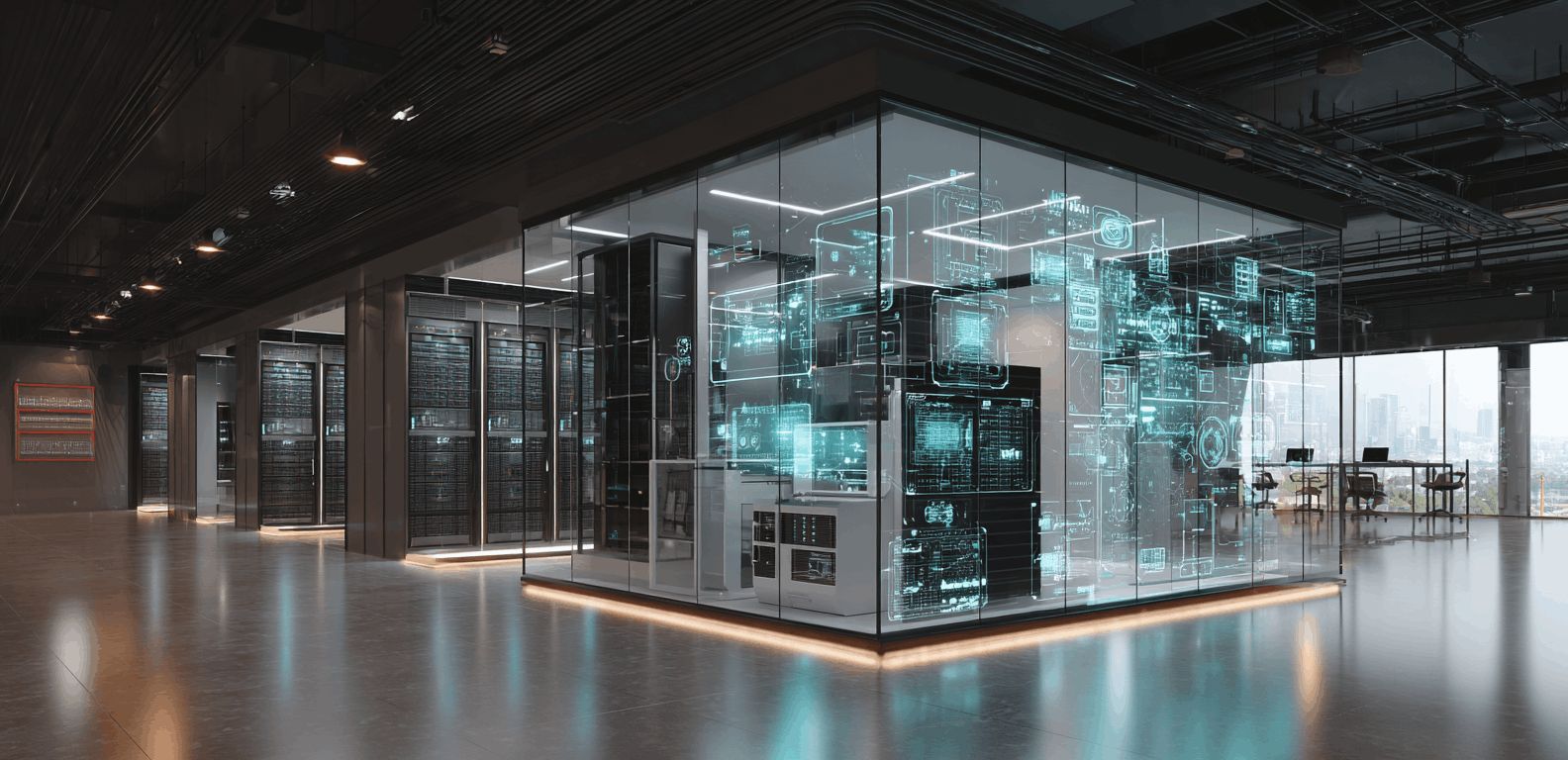
Virtual data rooms have become essential infrastructure for organizations managing confidential information, high-value transactions, and regulatory workflows. Behind every effective VDR platform stands a provider responsible not only for technology delivery but also for safeguarding business-critical data.
Modern virtual data room providers operate at the intersection of cybersecurity, cloud architecture, and enterprise collaboration. Their platforms support mergers and acquisitions, IPO preparation, audits, fundraising, and litigation — processes where a single security failure can carry significant financial and reputational consequences.
As demand for secure digital collaboration grows, the VDR market has diversified. Providers now compete not only on storage capacity or interface design, but on advanced protection mechanisms, compliance readiness, and operational reliability.
What Defines a Leading VDR Provider
The strongest providers distinguish themselves through a combination of technical capability and service quality.
Key characteristics typically include:
- Enterprise-grade security infrastructure
- Scalable cloud environments capable of handling complex projects
- Advanced permission management systems
- Detailed audit and activity tracking
- Dedicated customer support teams
Beyond functionality, premium providers focus on creating controlled environments where sensitive information remains protected throughout its lifecycle — from upload and review to archiving.
Why Security Should Be the Primary Selection Factor
Organizations often evaluate pricing or usability first, yet security remains the most critical differentiator among VDR providers.
Unlike standard cloud storage platforms, virtual data room software is designed specifically for confidential transactions involving multiple external stakeholders. Legal advisors, investors, auditors, and executives may access the same documents simultaneously, making strict access governance essential.
A secure VDR minimizes risks such as:
- Unauthorized document sharing
- Data leaks during due diligence
- Intellectual property exposure
- Regulatory non-compliance
- Insider misuse of confidential materials
Choosing the right provider therefore requires a structured evaluation of security standards rather than surface-level feature comparisons.
Security Criteria When Choosing a VDR Provider
1. Certifications and Compliance Standards
Trusted providers demonstrate compliance with internationally recognized frameworks.
Look for certifications such as:
- ISO 27001 information security management
- SOC 2 or similar audit standards
- GDPR compliance capabilities
- Industry-specific regulatory readiness where applicable
These certifications indicate that security controls are independently verified and continuously maintained.
2. Data Encryption and Storage Protection
Encryption forms the foundation of VDR security architecture.
A reliable provider should offer:
- Encryption of data both in transit and at rest
- Secure key management practices
- Protected data centers with redundancy systems
This ensures information remains protected even in the unlikely event of infrastructure compromise.
3. Granular Access Control
Not every participant should see every document. Advanced permission structures are essential during complex transactions.
Evaluate whether the provider allows:
- Role-based access permissions
- Document-level restrictions
- View-only or download limitations
- Dynamic watermarking tied to user identity
Granular control significantly reduces accidental or intentional data exposure.
4. Activity Monitoring and Audit Trails
Transparency inside the platform is critical for accountability.
High-quality VDR providers offer:
- Real-time activity tracking
- Detailed audit logs of user actions
- Reporting on document engagement
- Alerts for suspicious behavior
These capabilities help organizations maintain compliance while gaining insight into stakeholder interactions.
5. Secure Collaboration Features
Security should extend beyond storage into collaboration workflows.
Important safeguards include:
- Secure Q&A modules instead of email exchanges
- Version control to prevent outdated disclosures
- Restricted sharing outside the platform
Centralized collaboration reduces fragmentation and eliminates uncontrolled document circulation.
6. Infrastructure Reliability and Support
Security also depends on operational continuity.
Consider providers that deliver:
- High uptime guarantees
- Disaster recovery and backup systems
- 24/7 technical support availability
- Dedicated onboarding assistance
During time-sensitive transactions, immediate support can prevent costly disruptions.
Balancing Security With Usability
While security remains paramount, adoption ultimately depends on usability. Stakeholders ranging from executives to external advisors must navigate the platform efficiently without extensive training.
The most effective VDR providers achieve balance by combining strong protection mechanisms with intuitive interfaces, fast search capabilities, and streamlined document organization tools.
When security operates seamlessly in the background, collaboration becomes faster rather than restricted.
Final Thoughts
Selecting a virtual data room provider is fundamentally a decision about trust. Organizations entrust these platforms with financial records, strategic plans, and confidential negotiations that shape future growth.
A carefully chosen provider delivers more than secure storage—it enables controlled transparency, confident collaboration, and operational resilience. By prioritizing proven security standards alongside performance and usability, companies can ensure their virtual data room becomes a strategic advantage rather than a vulnerability.