

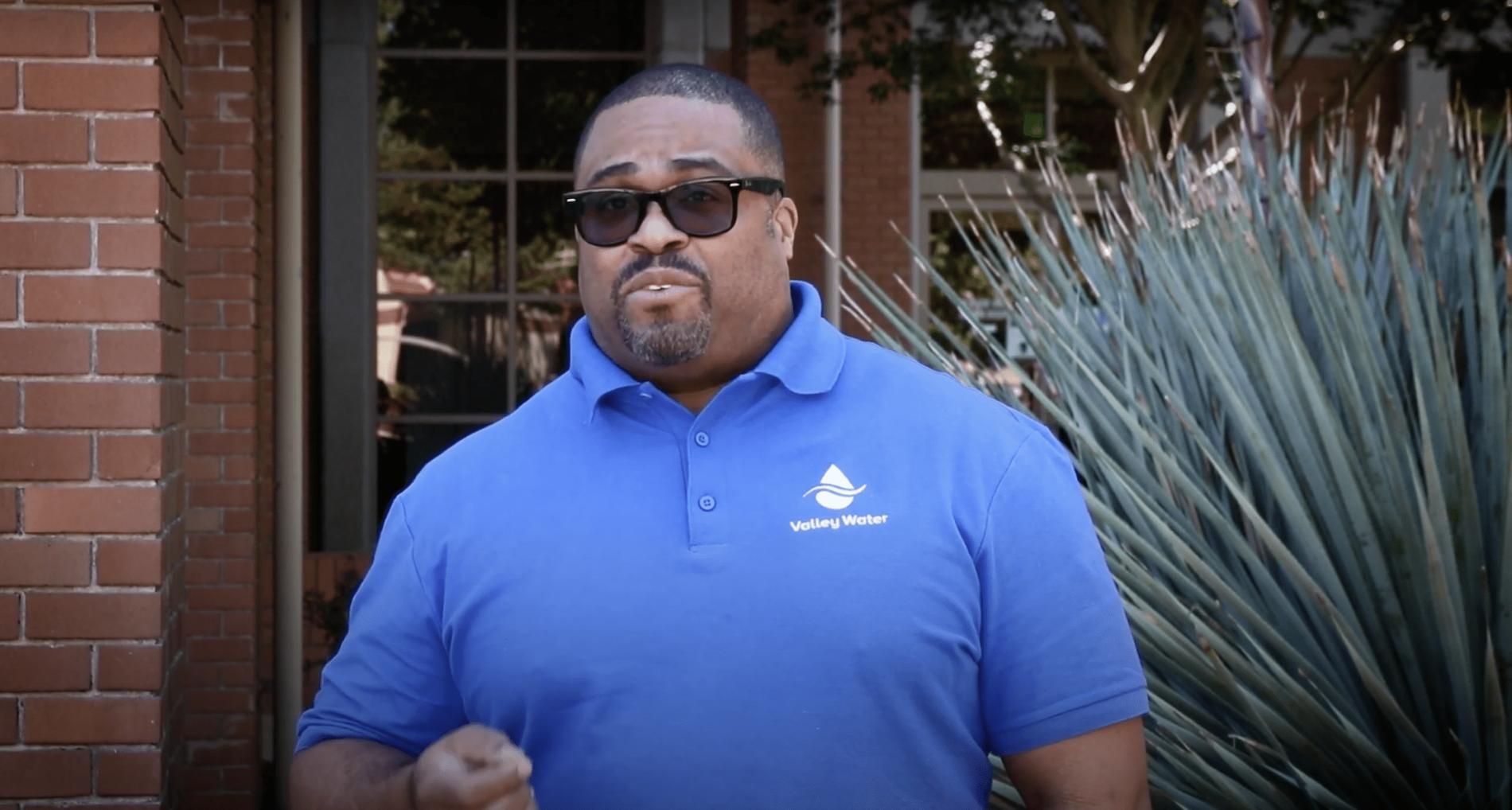
Rick Callender, who has led the Santa Clara Valley Water District since 2020, will leave his $520,000-a-year post March 1 following a year-long employee allegations probe that has captivated Silicon Valley’s largest water supplier. The departure marks a stunning fall for a leader once celebrated as a trailblazer. This case raises serious questions about public agency ethics and accountability.
The resignation comes after Callender went on leave in December 2024 after a female employee filed a complaint against him, with two other female employees later filing complaints. What began as a single complaint evolved into a protracted investigation that cost taxpayers nearly $600,000.
The Investigation Timeline and Costs
The district’s seven-member elected board hired the Cerritos-based law firm Atkinson, Andelson, Loya, Ruud & Romo to investigate the allegations against him, spending $577,926 for the work. Additionally, the district’s counsel also retained a San Francisco crisis communications firm, Progress Public Affairs, during the controversy, at a cost of $275,000.
The misconduct investigation Valley Water conducted stretched over 14 months. During this period, Rick Callender remained on paid administrative leave while collecting his full salary. Critics have questioned whether this constitutes responsible stewardship of ratepayer dollars.
Board member Rebecca Eisenberg publicly disclosed details about the employee allegations probe. She wrote that multiple women had accused Callender of “serial predatory behavior” backed by written evidence, allegations he has consistently denied. The Valley Water CEO exit became inevitable as pressure mounted.
Rick Callender Steps Down But Stays on Payroll
Under an agreement approved Friday by the district’s elected board, he will remain on the public payroll for another year as an adviser to board chairman Tony Estremera. This arrangement has sparked controversy among employees and union representatives who represent the Silicon Valley water district’s 850 workers.
Salam Baqleh, vice president of the Valley Water Employees Association, said their members who complained about the harassment still haven’t learned the outcome of the investigation, calling it appalling that he will stay on as a special consultant while members remain in the dark after more than a year. The union’s frustration reflects broader concerns about transparency in public institutions.
After a two-hour closed session meeting Friday, the district’s board voted 6-1 to approve the agreement, with Board member Rebecca Eisenberg voting no. Board chairman Tony Estremera described the deal as a compromise aimed at avoiding prolonged litigation.
Rick Callender Valley Water Allegations Denied
Rick Callender maintains his innocence. He said he had done nothing wrong and was wrongfully accused by an employee who he said lashed out after facing discipline and was supported by the union, stating “There was no veracity to the complaint”.
Rick Callender told reporters he was planning on retiring at the end of 2025 but stayed on to clear his name. However, the timing of his departure amid an ongoing investigation suggests the Valley Water leadership change was not entirely voluntary.
The Valley Water CEO scandal details remain partially concealed from the public. Neither the board nor Callender have publicly disclosed the nature of the allegations. Board chairman Estremera said the district will release a redacted version of the investigative report next week, though it’s unclear how much information will be shared.
Rick Callender’s Career at Valley Water
Callender was named CEO in 2020 after a 4-3 closed-session vote, succeeding retiring CEO Norma Camacho, making him the first African-American CEO in the district’s history and one of the highest-ranking African-American leaders in the U.S. water sector.
However, his appointment was controversial from the start. Three women directors voted against his appointment at the time, citing allegations of sexual harassment he faced in 2008. Those earlier allegations involved a lawsuit by Valley Water employee Jessica Collins.
Valley Water CEO Rick Callender’s professional background includes nearly three decades with the organization. From 1995 to 1996, Callender worked as a special assistant to former San Jose Mayor Susan Hammer and was hired at the water district in 1996. He earned his credentials in industrial engineering before transitioning into public service.
Beyond Valley Water, Rick Callender served as president of the California-Hawaii NAACP State Conference. This dual role created additional scrutiny. A lawsuit alleges Valley Water CEO Rick Callender pushed to have his agency sponsor the NAACP California-Hawaii State Conference — a private group he personally oversees — with public dollars.
Public Agency Ethics Under Scrutiny
This case highlights critical questions about accountability in the Silicon Valley water district and similar public agencies. The prolonged investigation, substantial legal costs, and continued payment to Rick Callender during his absence have frustrated employees and taxpayers alike.
The Valley Water Employees Association expressed disappointment that management has not shared the investigation’s outcome with those who filed complaints. Union representatives worry this lack of transparency could discourage future employees from coming forward with concerns about workplace misconduct.
The board’s 6-1 vote to approve Rick Callender’s separation agreement also raises questions. Why did only one board member vote against the arrangement? What pressures influenced the majority’s decision to keep Rick Callender on payroll as an adviser?
What’s Next for Valley Water
Estremera said Friday that the final investigative report will be released next week, stating “The investigation is completed”. However, the report will be redacted to protect witness privacy, potentially limiting public understanding of what transpired.
Melanie Richardson continues serving as interim CEO while the board searches for a permanent replacement. Her appointment has also drawn scrutiny due to past conflicts of interest involving her husband’s consulting firm, which has received millions in contracts from Valley Water.
The organization faces a critical juncture. Can it restore public trust after this lengthy misconduct investigation Valley Water employees endured? Will leadership implement reforms to prevent similar situations?
Lessons for Public Accountability
The Rick Callender Valley Water allegations underscore the importance of robust oversight mechanisms in public agencies. When misconduct claims arise, agencies must balance confidentiality requirements with the public’s right to know how taxpayer dollars are spent.
Several key issues emerge from this case:
Investigation Duration: The probe took over a year to complete. Could more efficient processes achieve thorough investigations without such extended timelines?
Continued Payment: Rick Callender collected his full $520,000 salary throughout the investigation and will receive another year of compensation as an adviser. Are there alternatives that better serve taxpayers while respecting due process?
Transparency Limits: The public still doesn’t know the investigation’s specific findings. How can agencies balance employee privacy with accountability to constituents?
Board Dynamics: The contentious vote and divisions among board members suggest deeper governance challenges. What reforms could improve decision-making and oversight?
Community Impact and Reactions
Residents of Santa Clara County, who fund Valley Water through property taxes and water charges, have expressed frustration with the handling of this situation. The agency provides drinking water and flood protection to 2 million residents, making leadership stability crucial.
Some community members question whether the settlement agreement truly serves the public interest. By keeping Rick Callender on payroll for another year, does the board prioritize avoiding litigation over accountability? Others argue that respecting due process and avoiding costly legal battles represents responsible governance.
The employee allegations probe has also affected workplace morale within the Silicon Valley water district. Staff members who witnessed or experienced the alleged misconduct await clarity about what the investigation found and what consequences, if any, will follow.
Broader Implications for Water Agencies
This controversy extends beyond one individual or organization. Water districts nationwide face similar challenges balancing transparency, employee rights, and operational effectiveness. How they handle misconduct allegations sets precedents for public sector accountability.
Other agencies can learn from Valley Water’s experience. Establishing clear policies for investigating executive misconduct, setting reasonable timelines, and communicating appropriately with stakeholders all contribute to maintaining public trust.
The outcome also matters for diversity in leadership positions. Rick Callender’s historic appointment as the first African American CEO of a major California water district represented meaningful progress. His departure under controversial circumstances complicates conversations about representation and accountability.
Final Thoughts on the Valley Water Leadership Change
The resignation of Rick Callender marks the end of a turbulent chapter for Valley Water. Whether it leads to meaningful reforms or simply closes one controversial episode remains to be seen.
The district must now focus on rebuilding trust, conducting a thorough CEO search, and implementing any necessary policy changes to prevent future controversies. Employees deserve a safe, professional workplace. Ratepayers deserve responsible stewardship of their money. The community deserves leaders who exemplify public agency ethics.
As the redacted investigation report becomes available, more details may emerge about what occurred and what lessons can be learned. For now, the Valley Water CEO scandal details serve as a cautionary tale about governance, accountability, and the challenges of leadership in public service.
The coming months will reveal whether Valley Water can move forward constructively or whether lingering questions and divisions will continue to hamper its mission of providing essential services to Silicon Valley residents.
Frequently Asked Questions
Why did Rick Callender resign from Valley Water?
Rick Callender resigned following a year-long misconduct investigation after three female employees filed complaints against him. While he denies wrongdoing and claims he was wrongfully accused, the Valley Water board approved a separation agreement where he steps down effective March 1, 2026, but continues receiving payment as an adviser for another year.
How much did the investigation into Rick Callender cost taxpayers?
The investigation cost Santa Clara Valley Water District approximately $577,926 for the outside law firm conducting the probe, plus an additional $275,000 for crisis communications services. Rick Callender also remained on paid leave collecting his $520,000 annual salary for 14 months during the investigation.
What were the allegations against Valley Water CEO Rick Callender?
While the specific nature of the allegations has not been officially disclosed, Board member Rebecca Eisenberg publicly stated the complaints involved sexual harassment and alleged “serial predatory behavior” backed by written evidence. Rick Callender has consistently denied these allegations, calling them untruthful.
Will Rick Callender continue to be paid after resigning?
Yes, under the separation agreement approved by the Valley Water board, Rick Callender will remain on the public payroll for another year serving as an adviser to board chairman Tony Estremera, though he is barred from contacting staff or accessing agency facilities without prior approval.
Who is replacing Rick Callender as Valley Water CEO?
Melanie Richardson continues serving as interim CEO while the Valley Water board searches for a permanent replacement. Richardson, a former assistant CEO who came out of retirement, has been leading the agency throughout Rick Callender’s extended absence.
What is Valley Water and what does it do?
Santa Clara Valley Water District, also known as Valley Water, is a San Jose-based government agency that provides drinking water and flood protection to 2 million residents in Santa Clara County. The Silicon Valley water district manages reservoirs, groundwater resources, and flood control systems, funded through water charges and property taxes.
What happens next in the Rick Callender case?
The Valley Water board plans to release a redacted version of the investigation report to protect witness privacy. The board will continue searching for a permanent CEO replacement while Rick Callender serves in his advisory capacity through early 2027. Community members and employees await transparency about the investigation’s findings and any policy reforms that may result.