
Thinking Machines Lab Loses Two Co-Founders to OpenAI Return
Barret Zoph and Luke Metz, who co-founded the startup, are returning to OpenAI

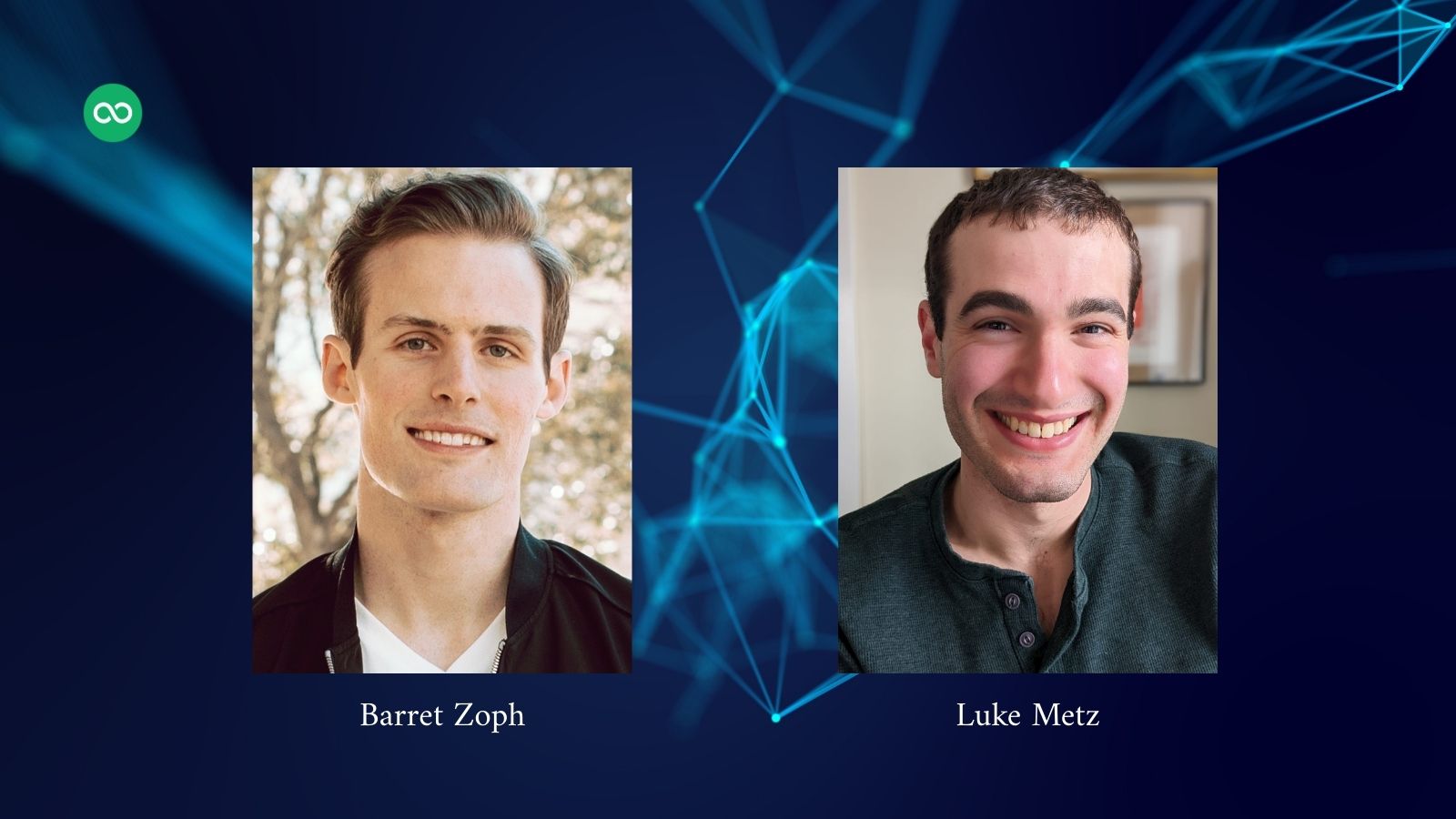
Two prominent AI researchers departed Thinking Machines Lab this week, marking another significant shift in the artificial intelligence talent landscape. Barret Zoph and Luke Metz, who co-founded the startup, are returning to OpenAI amid intensifying competition for top AI talent. This Thinking Machines Lab OpenAI return highlights how major tech companies continue to reshape the startup ecosystem by reclaiming skilled founders.
The departure sends ripples through Silicon Valley’s AI community. Many observers see this as a critical moment for smaller AI ventures competing against well-funded giants.
Understanding the Thinking Machines Lab Co-Founders Departure
Barret Zoph and Luke Metz built impressive reputations in machine learning research before launching their startup. Zoph gained recognition for pioneering neural architecture search techniques. His work transformed how we design AI systems. Metz contributed significantly to optimization algorithms that power modern deep learning.
Their decision to rejoin OpenAI reflects broader industry dynamics. Startups face mounting challenges when competing for resources and talent against established players. The allure of OpenAI’s infrastructure and capital proves difficult to resist.
What drove this AI startup founder departure? Several factors likely influenced their choice. OpenAI offers unmatched computational resources. The company’s budget for training large models dwarfs what most startups can access. Additionally, OpenAI’s recent breakthroughs in artificial general intelligence research create exciting opportunities for ambitious researchers.
The Growing Trend of OpenAI Talent Acquisition
OpenAI has systematically expanded its team through strategic acquisitions and rehires. The company recently acquired Convogo, bringing three co-founders onto its roster. This aggressive OpenAI talent acquisition strategy demonstrates the organization’s commitment to maintaining technological leadership.
Why does OpenAI pursue this approach? The answer lies in competitive advantage. Each experienced researcher brings unique insights and methodologies. Acquiring entire teams preserves collaborative dynamics while accelerating project timelines.
The Thinking Machines Lab OpenAI return fits this pattern perfectly. Zoph and Metz possess specialized knowledge that complements OpenAI’s existing capabilities. Their expertise in neural architecture search and optimization could enhance future model development.
However, this trend raises concerns about startup viability. If talented founders consistently return to big tech companies, how can independent ventures survive? The AI ecosystem needs diverse participants to foster innovation. Concentration of talent within a few organizations might stifle creativity and limit alternative approaches.
Impact on Thinking Machines Lab’s Future
The loss of two Thinking Machines Lab co-founders creates uncertainty about the company’s trajectory. Leadership transitions often disrupt operations and strategic planning. Remaining team members must navigate this challenging period while maintaining project momentum.
Several scenarios could unfold. The company might recruit new leadership to fill the void. Alternatively, existing executives could step into expanded roles. Some observers speculate that Thinking Machines Lab might pivot toward acquisition itself, seeking a larger corporate parent.
Investor confidence plays a crucial role here. Venture capitalists closely monitor founder commitment. When co-founders depart, especially to competitors, it signals potential problems. Funding rounds might become more difficult. Valuation could suffer.
Yet some startups thrive after founder departures. Strong organizational culture and clear product-market fit can sustain growth. The team’s remaining talent will determine whether Thinking Machines Lab overcomes this setback.
Why Founders Choose Big Tech Over Startups
The Barret Zoph Luke Metz OpenAI decision illustrates broader motivations driving talented individuals toward established companies. Resources matter enormously in AI research. Training cutting-edge models requires millions of dollars in compute costs. Few startups possess such capital.
Career stability also influences these choices. Startup life involves significant risk. Funding can dry up quickly. Projects may fail despite enormous effort. Big tech companies offer more predictable environments with steady salaries and comprehensive benefits.
Intellectual stimulation draws researchers too. OpenAI tackles some of humanity’s most challenging technical problems. The opportunity to work on artificial general intelligence excites many scientists. Startups often focus on narrower commercial applications, which may feel less impactful.
However, trade-offs exist. Large organizations impose bureaucratic constraints. Decision-making slows down. Individual contributions might feel less visible. Startups provide autonomy and direct influence over company direction.
The AI startup founder departure trend suggests that for many researchers, big tech advantages outweigh startup benefits. This calculation could shift if smaller companies find innovative ways to compete on resources and vision.
Comparing Recent AI Industry Acquisitions
OpenAI isn’t alone in aggressively pursuing talent. Robotics startup Skild AI recently raised $1.4 billion with backing from SoftBank, Nvidia, and Jeff Bezos. The massive investment demonstrates how capital flows to promising AI ventures.
Meanwhile, Amplitude acquired InfiniGrow to expand AI-driven marketing analytics capabilities. This acquisition shows how established companies buy innovation rather than building it internally.
The Thinking Machines Lab OpenAI return differs from these examples. Zoph and Metz aren’t joining through formal acquisition. Instead, they’re returning to their former employer. This pattern suggests personal relationships and organizational culture matter as much as financial considerations.
Phenom’s acquisition of Seattle startup Included represents another acquisition model. Here, a larger HR company absorbed a diversity-focused startup to enhance its AI-powered people analytics. The deal preserved the startup’s mission while providing growth resources.
Each acquisition strategy carries different implications for founders and employees. Full company acquisitions typically protect more jobs. Individual talent acquisitions may leave remaining team members in precarious positions.
What This Means for AI Startup Ecosystem
The Thinking Machines Lab co-founders departure signals challenges facing independent AI ventures. Talented researchers increasingly gravitate toward well-funded organizations. This concentration could reduce innovation diversity over time.
Startups contribute unique value to the technology landscape. They take risks that large companies avoid, explore unconventional approaches, move quickly without bureaucratic overhead. Losing talented founders to big tech diminishes these advantages.
Yet the ecosystem shows resilience. Coxwave recently secured $5 million to advance AI reliability and governance. Indian edtech startup Emversity raised $30 million to focus on vocational training for jobs AI cannot replace. These funding rounds demonstrate continued investor interest in specialized AI applications.
The key lies in differentiation. Startups competing directly with OpenAI on foundational models face uphill battles. However, those targeting specific industries or problems can build sustainable businesses. Vertical integration and domain expertise create defensible advantages.
The Thinking Machines Lab OpenAI return should prompt startup founders to consider their competitive positioning carefully. Can you solve problems that big tech companies overlook? Do you possess unique data or customer relationships? These factors determine long-term viability.
Lessons for AI Entrepreneurs and Investors
What can we learn from this AI startup founder departure? First, founder retention depends on more than equity and titles. Researchers want to work on meaningful problems with adequate resources. Startups must articulate compelling visions that compete with big tech’s scale.
Second, investors should assess founder commitment during due diligence. Are founders fully dedicated to their venture? Do they maintain relationships with former employers that might pull them back? Understanding motivations helps predict stability.
Third, compensation packages must acknowledge opportunity costs. Talented AI researchers command premium salaries at major tech companies. Startups offering below-market rates risk losing key people. Creative equity structures and milestone bonuses can help bridge gaps.
Fourth, building strong company culture reduces departure risk. When teams feel connected to colleagues and mission, they’re less likely to leave. The Barret Zoph Luke Metz OpenAI case suggests Thinking Machines Lab may have struggled with cultural cohesion.
Fifth, strategic partnerships with larger companies might provide middle-ground options. Rather than competing directly, startups could collaborate with tech giants. These arrangements provide resource access while maintaining independence.
The Future of AI Talent Competition
OpenAI talent acquisition will likely intensify as artificial intelligence capabilities advance. The race toward artificial general intelligence requires assembling the world’s best minds. Companies with deepest pockets will continue attracting top researchers.
Smaller ventures must adapt to survive. Some might specialize in applied AI rather than fundamental research. Others could focus on regions or markets where big tech operates less effectively. A few might develop proprietary datasets that create unique advantages.
The Thinking Machines Lab OpenAI return won’t be the last such departure. We’ll see more founders weighing startup independence against big tech resources. The balance may shift depending on market conditions and funding availability.
Regulatory changes could also impact this dynamic. Governments worldwide are scrutinizing big tech’s market power. Antitrust actions might limit acquisitions and talent concentration. Such interventions could benefit smaller competitors.
Ultimately, the AI industry needs both large organizations and nimble startups. Each serves different purposes. OpenAI and similar companies push fundamental research boundaries. Startups apply these breakthroughs to specific problems and markets. Healthy ecosystems maintain this diversity.
Moving Forward in a Competitive Landscape
The departure of Thinking Machines Lab co-founders Barret Zoph and Luke Metz reminds us that AI talent remains fluid. Researchers move between organizations seeking optimal environments for their work. Companies must continuously earn employee loyalty through culture, resources, and mission.
For founders considering starting AI ventures, this episode offers important context. Understand the competitive landscape thoroughly. Build something defensible that big tech cannot easily replicate. Cultivate organizational culture that retains talent even when larger companies come calling.
For investors, careful evaluation of founder commitment and competitive positioning becomes essential. Not every AI startup will succeed in today’s consolidating market. Those with clear differentiation and passionate leadership have better odds.
The Thinking Machines Lab OpenAI return represents one data point in an evolving story. As artificial intelligence technology matures, we’ll see continued movement of people and ideas. The challenge for our innovation economy is ensuring that this movement doesn’t overly concentrate talent and stifle the diversity that drives progress.
We should watch how Thinking Machines Lab responds to this setback. The company’s resilience—or lack thereof—will provide valuable insights into startup sustainability in the AI era. Meanwhile, OpenAI’s growing roster of talent signals its determination to maintain technological leadership regardless of cost.
The AI race continues accelerating. Talent remains its most valuable currency. How companies, investors, and policymakers navigate these dynamics will shape technology’s future for decades to come.
Frequently Asked Questions
Why did Barret Zoph and Luke Metz leave Thinking Machines Lab?
Barret Zoph and Luke Metz left Thinking Machines Lab to return to OpenAI, likely attracted by greater computational resources, larger budgets for AI research, and opportunities to work on cutting-edge artificial general intelligence projects that smaller startups cannot match.
What is Thinking Machines Lab?
Thinking Machines Lab is an AI research startup co-founded by Barret Zoph and Luke Metz, focused on advancing machine learning techniques. The company faces uncertainty following the departure of these two co-founders back to OpenAI.
How does OpenAI attract talent from startups?
OpenAI attracts talent through massive computational resources, substantial research budgets, opportunities to work on groundbreaking AI projects, competitive compensation, and the appeal of contributing to artificial general intelligence development that smaller companies cannot offer.
What does this mean for AI startups competing with big tech?
This departure highlights significant challenges for AI startups competing against well-funded tech giants. Startups must differentiate through specialized applications, unique datasets, domain expertise, or solving problems that large companies overlook to retain talent and remain viable.
Is this a common trend in the AI industry?
Yes, AI talent moving from startups to major tech companies is increasingly common. OpenAI recently acquired the Convogo team, while other big tech companies similarly pursue aggressive talent acquisition strategies, making founder retention challenging for smaller ventures.
What happens to Thinking Machines Lab now?
Thinking Machines Lab’s future remains uncertain after losing two co-founders. The company may recruit new leadership, pivot its strategy, seek acquisition by a larger company, or attempt to continue operations with remaining team members taking expanded roles.
How can AI startups prevent founder departures?
AI startups can reduce departure risk by articulating compelling visions, offering competitive compensation packages, building strong company culture, focusing on defensible market niches, forming strategic partnerships, and ensuring founders feel deeply connected to the mission and team.