
India Launches 15 Inclusive Tech Incubators Across Non-Metro Cities to Transform India’s Startup Landscape

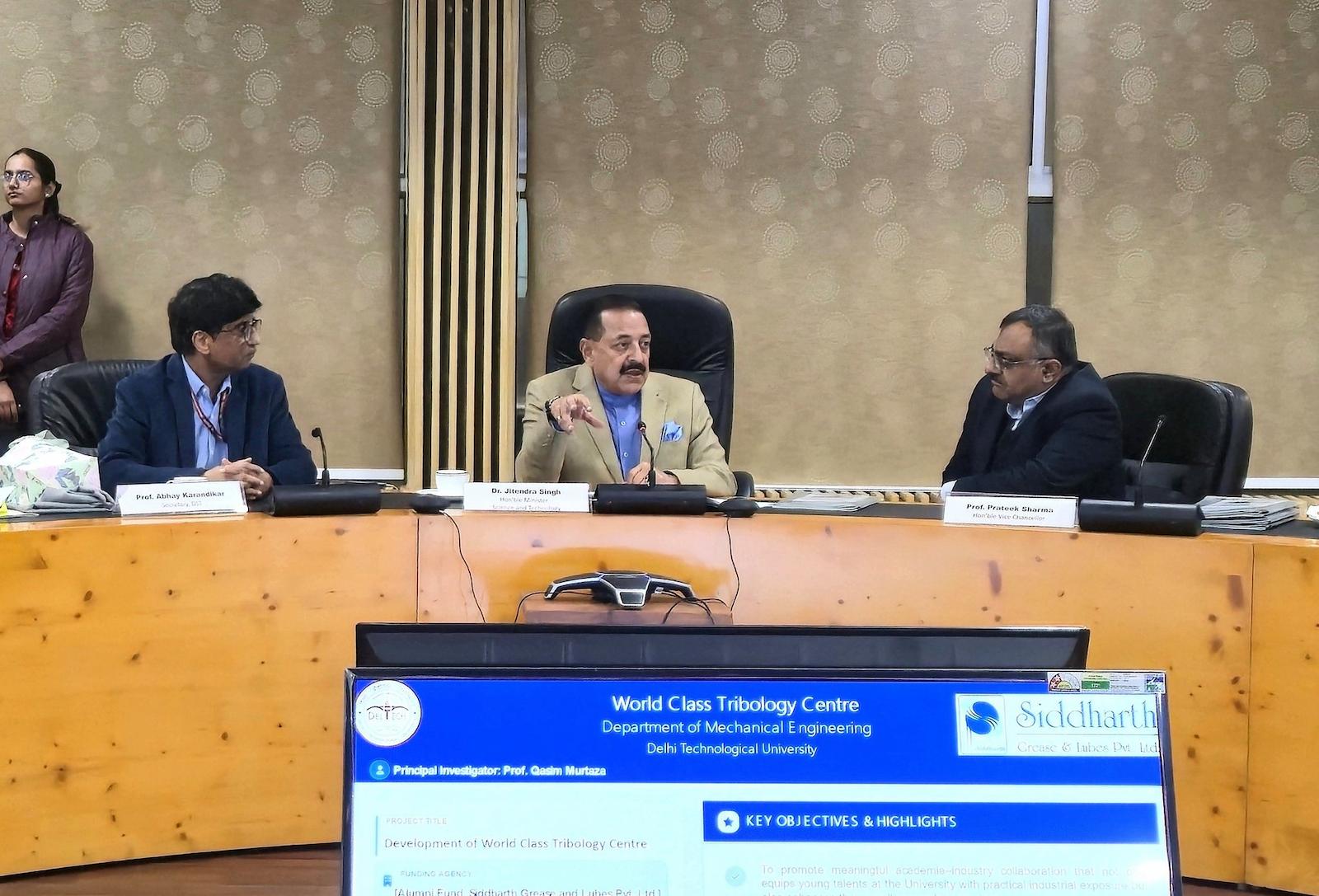
The Indian government just unveiled 15 new inclusive tech incubators strategically positioned across tier-2 and tier-3 cities, marking a pivotal shift in how the nation nurtures entrepreneurial talent beyond metropolitan hubs. This ambitious initiative aims to democratize access to world-class mentorship, funding, and infrastructure for startups operating outside traditional tech corridors like Bangalore and Mumbai.
For years, aspiring entrepreneurs in smaller cities faced a stark reality. They possessed innovative ideas but lacked the ecosystem support their metro counterparts enjoyed. However, this landscape is changing dramatically. The launch of these inclusive tech incubators represents more than just physical spaces; it embodies a commitment to equitable growth and regional economic development.
Why Non-Metro Startup Incubators Matter for India’s Future
India’s startup ecosystem growth has historically concentrated in major cities, creating geographical disparities in opportunity. Data from Startup India reveals that over 65% of recognized startups operate in just five metropolitan areas. Meanwhile, tier-2 and tier-3 cities house 60% of India’s population yet receive disproportionately less venture capital and mentorship support.
Non-metro startup incubators address this imbalance directly. They bring critical resources closer to untapped talent pools. Young innovators no longer need to migrate to expensive cities to access quality guidance. Furthermore, these facilities reduce operational costs significantly, allowing founders to extend their runway and focus on product development rather than survival.
The economic multiplier effect is substantial. When regional tech startup development accelerates, it creates jobs locally. Supply chains strengthen. Educational institutions gain practical collaboration opportunities. Entire communities benefit from the wealth generation and skill development that follows entrepreneurial success.
Understanding the Structure of Inclusive Tech Incubators
These 15 inclusive tech incubators aren’t cookie-cutter replicas of existing facilities. Each one is tailored to its region’s unique strengths and industries. For instance, facilities in agricultural heartlands focus on agritech solutions, while those in manufacturing hubs emphasize Industry 4.0 innovations.
The infrastructure includes state-of-the-art coworking spaces with high-speed internet connectivity. Prototyping labs equipped with 3D printers and testing equipment stand ready. Meeting rooms facilitate mentor sessions and investor pitches. Additionally, dedicated zones for networking events foster community building among founders.
What makes these incubators truly inclusive? They prioritize accessibility for underrepresented groups. Women entrepreneurs receive reserved desk spaces and specialized mentorship programs. Founders from SC/ST communities access subsidized membership fees. Rural innovators get language support services, ensuring linguistic barriers don’t impede progress.
Indian government startup support programs have historically struggled with last-mile delivery. These incubators tackle this challenge through decentralized presence and local partnership models. They collaborate with district administrations, universities, and industry associations to create robust support networks.
How the Startup India Initiative Catalyzes Regional Growth
The Startup India initiative, launched in 2016, has evolved considerably. It now encompasses over 100,000 recognized startups nationwide. However, policymakers recognized that recognition alone doesn’t guarantee success, especially for founders in resource-constrained environments.
These new inclusive tech incubators integrate seamlessly with existing Startup India benefits. Recognized startups can access tax exemptions while simultaneously receiving physical infrastructure support. Patent filing assistance combines with legal aid clinics. Fund of Funds schemes complement pitch training sessions held at incubator premises.
Regional tech startup development gains momentum when policy meets practice. The government allocated substantial funding for these facilities, ensuring they operate sustainably for at least five years. This long-term commitment signals seriousness and allows incubators to plan multi-year support programs for cohorts.
Moreover, Startup India’s digital platform now features dedicated sections highlighting opportunities at non-metro startup incubators. Entrepreneurs can browse available programs, apply online, and track their application status transparently. This digitalization reduces friction and bureaucratic delays that previously discouraged applications.
Key Features That Set These Incubators Apart
Traditional incubators often follow rigid, one-size-fits-all approaches. These new facilities embrace flexibility. They offer tiered membership plans ranging from hot desks for solopreneurs to dedicated offices for growing teams. Pricing scales based on revenue, ensuring affordability during early stages.
Mentorship programs connect founders with industry veterans through structured frameworks. Monthly one-on-one sessions address specific challenges. Group workshops cover critical topics like fundraising strategy, growth hacking, and financial management. Virtual mentor networks supplement local expertise, bringing global perspectives to regional startups.
Access to capital remains a primary concern for any entrepreneur. These inclusive tech incubators host regular investor meetups and demo days. They’ve partnered with angel networks and venture capital firms specifically interested in backing non-metro ventures. Some facilities even maintain seed funding pools for the most promising startups.
Technology infrastructure often limits innovation in smaller cities. These incubators bridge that gap comprehensively. Cloud computing credits through partnerships with major providers reduce operational expenses. Software licenses for design, development, and analytics tools come bundled with membership. Hardware labs allow testing without massive capital investments.
The Selection Process and Eligibility Criteria
Getting into these programs requires meeting specific benchmarks, though they’re designed to be achievable rather than exclusionary. Startups must be registered entities recognized under the Startup India program. They should be less than five years old and working on innovative solutions with scalability potential.
Applications undergo evaluation based on multiple factors. Innovation quotient carries significant weight; assessors look for novel approaches to real problems. Team capability matters equally; complementary skill sets and domain expertise strengthen applications. Market opportunity analysis demonstrates commercial viability beyond just technical feasibility.
Indian government startup support programs now emphasize diversity metrics during selection. At least 40% of incubator seats are reserved for women-led ventures. Another 20% target SC/ST entrepreneurs. These quotas ensure inclusive participation and prevent dominant groups from monopolizing resources.
The application process itself is straightforward. Founders submit business plans through the online portal. Supporting documents include incorporation certificates and founder resumes. A 90-second video pitch provides insight into team dynamics and communication skills. Shortlisted applicants present detailed proposals before selection committees comprising government officials, successful entrepreneurs, and industry experts.
Success Stories: Early Impact from Pilot Programs
Before this nationwide rollout, the government tested similar models in select cities. Results exceeded expectations. In Bhopal, an agritech startup developed an AI-powered crop disease detection app that now serves 50,000 farmers. In Kochi, a healthtech company created telemedicine solutions connecting rural patients with specialist doctors.
These success stories validate the inclusive tech incubators concept. They prove that geography doesn’t determine entrepreneurial potential; ecosystem support does. When founders receive adequate mentorship, infrastructure, and funding access, they deliver solutions matching or surpassing metro-based counterparts.
India startup ecosystem growth accelerates when diverse perspectives tackle problems. Regional founders understand local market nuances intimately. They build solutions addressing context-specific challenges that coastal city entrepreneurs might overlook. This hyper-local innovation creates products with immediate product-market fit in underserved segments.
Economic impact extends beyond individual startup success. Cities hosting these incubators report increased technology sector employment. Real estate markets near facilities see rising demand for residential and commercial properties. Educational institutions witness higher enrollment in entrepreneurship and technology courses as students observe viable local career paths.
Challenges and How the Government Plans to Address Them
No initiative of this scale proceeds without obstacles. Talent acquisition poses immediate challenges for non-metro startup incubators. Experienced mentors and program managers often prefer metropolitan lifestyles. The government addresses this through competitive compensation packages and remote work flexibility for certain roles.
Limited local investor presence could restrict funding access despite incubator efforts. To counter this, officials are incentivizing angel investors and VCs to conduct regular scouting missions in these cities. Tax benefits and co-investment schemes sweeten the proposition for risk-averse capital providers.
Infrastructure reliability concerns some entrepreneurs. Power outages and internet connectivity issues plague certain regions. Incubators invest in backup generators and redundant internet connections. They also lobby local authorities for infrastructure improvements, leveraging their government backing for faster resolution.
Cultural mindsets sometimes hinder entrepreneurship in conservative communities. Family pressure pushes talented individuals toward stable employment rather than startup risks. The government runs awareness campaigns highlighting successful local entrepreneurs. They organize community events where founders share journeys, demystifying entrepreneurship and inspiring others.
Integration with Educational Institutions
Regional tech startup development thrives when academia and industry collaborate closely. These incubators establish formal partnerships with nearby universities and colleges. Students access facilities during evenings and weekends, working on projects that could evolve into full-fledged ventures.
Faculty members serve as technical advisors, bringing deep domain expertise. Research output from universities finds commercial applications through incubator-supported startups. This symbiotic relationship benefits all parties: students gain practical experience, professors see real-world impact, and startups access cutting-edge research.
Curriculum integration represents another frontier. Engineering and management colleges now offer elective courses conducted partially at incubator premises. Students interact with working startups, understanding operational realities beyond textbook theory. Some programs mandate internships at incubator companies, replacing traditional corporate placements.
Innovation competitions and hackathons become regular features. These events identify promising ideas early, channeling them into incubation pipelines. Winning teams receive initial seed funding and mentorship, accelerating their journey from concept to prototype.
The Role of Technology in Scaling Support
Physical infrastructure alone can’t serve India’s vast entrepreneurial population. Indian government startup support programs leverage technology for broader reach. Virtual incubation programs complement physical facilities, allowing remote participation from even more remote areas.
Online learning platforms deliver structured content covering startup fundamentals. Webinars featuring successful founders and investors provide inspiration and tactical knowledge. Digital mentorship matching algorithms connect entrepreneurs with advisors based on industry, expertise, and specific needs rather than just geographical proximity.
Data analytics help track startup progress and identify struggling ventures early. Incubator managers receive alerts when key metrics deteriorate, enabling proactive intervention. This predictive approach prevents failures that might occur due to neglect or misguided strategies.
Collaboration tools facilitate networking among startups across different incubators. A fintech founder in Indore can brainstorm with a similar entrepreneur in Ranchi. Cross-pollination of ideas strengthens the entire ecosystem, breaking down geographical silos that previously isolated regional entrepreneurs.
Funding Mechanisms and Financial Support
Capital access determines survival for most startups. These inclusive tech incubators connect founders with multiple funding sources. Government schemes like the Fund of Funds for Startups channel capital through SIDBI and other institutions. Many incubators maintain direct relationships with these fund managers, streamlining due diligence.
State governments add another layer of support. Several states operate their own seed funding programs prioritizing local ventures. Incubators assist with application preparation, increasing approval rates. This combined central-state approach maximizes available capital for deserving startups.
Private sector participation grows steadily. Corporate venture arms scout for innovations relevant to their industries. Strategic investors seek early-stage opportunities in emerging markets. The incubators curate deal flow, presenting vetted opportunities that save investors screening time.
Debt financing options also feature prominently. Partnerships with banks and NBFCs provide working capital loans on favorable terms. Collateral-free lending products designed specifically for startups reduce barriers. Financial literacy programs ensure founders understand implications and manage debt responsibly.
Measuring Success: Metrics That Matter
How will authorities evaluate whether these inclusive tech incubators achieve their objectives? Multiple metrics track progress. The number of startups incubated provides a basic count. However, quality indicators matter more: jobs created, revenue generated, patents filed, and funding raised paint a comprehensive picture.
Diversity metrics ensure the inclusive mandate translates into reality. Percentage of women-led ventures, SC/ST founder representation, and rural entrepreneur participation get monitored quarterly. Shortfalls trigger corrective actions like targeted outreach campaigns or adjusted selection criteria.
India startup ecosystem growth manifests through secondary effects. Increased startup density in host cities indicates ecosystem maturation. Emergence of support service providers—lawyers, accountants, marketers specializing in startups—signals deepening infrastructure. Alumni networks forming organically demonstrate community building success.
Long-term sustainability requires that incubated startups survive beyond program duration. Five-year survival rates become critical benchmarks. Successful exits through acquisitions or IPOs validate the model’s ability to nurture truly scalable ventures.
Future Expansion and Vision for 2030
This 15-incubator launch represents just the beginning. Government plans envision 100 such facilities by 2030, covering every state and union territory. This expansion will democratize access further, ensuring no aspiring entrepreneur lacks basic support infrastructure due to location.
Specialization will increase as the network grows. Sector-specific incubators focused on cleantech, biotech, or deeptech will emerge. This vertical depth allows for more targeted mentorship and industry-specific resources that generalist facilities can’t provide.
International collaborations could bring global best practices to regional tech startup development. Sister incubator relationships with facilities in startup hubs like Singapore, Tel Aviv, or Silicon Valley would facilitate knowledge exchange. Founder exchange programs might send Indian entrepreneurs abroad for exposure while bringing international founders to experience India’s markets.
The ultimate vision positions India as a global innovation leader where groundbreaking ideas can emerge from anywhere. When a village entrepreneur has the same ecosystem support as a Bangalore founder, true democratization occurs. These inclusive tech incubators move the nation substantially closer to that aspiration.
Conclusion: A New Chapter in Indian Entrepreneurship
The launch of these 15 inclusive tech incubators marks a watershed moment for non-metro startup incubators and regional development. By decentralizing ecosystem support, the government acknowledges that innovation isn’t geographically bounded—opportunity should be equally distributed.
For entrepreneurs in tier-2 and tier-3 cities, this changes everything. The infrastructure, mentorship, and funding that once required migration to expensive metros now exists locally. You can build world-class companies while remaining rooted in your community.
The broader impact on India startup ecosystem growth could be transformative. As these incubators nurture thousands of ventures over coming years, they’ll create employment, generate wealth, and inspire future generations. Regional economies will diversify beyond traditional industries, building resilience and prosperity.
If you’re an aspiring entrepreneur in a non-metro city, now is your time. Research the incubator nearest you. Prepare your application. Take that leap you’ve been contemplating. The ecosystem support you need finally exists. The question isn’t whether opportunities exist—it’s whether you’ll seize them.
Frequently Asked Questions
What are inclusive tech incubators and how do they differ from regular incubators?
Inclusive tech incubators are specialized facilities designed to support startups in non-metro cities with a focus on accessibility for underrepresented groups including women, SC/ST entrepreneurs, and rural innovators. Unlike regular incubators, they offer subsidized fees, language support services, reserved seats for diverse founders, and infrastructure tailored to regional industry strengths.
Which cities will host these 15 new incubators?
The government has strategically positioned these incubators across tier-2 and tier-3 cities throughout India, though specific locations are determined based on regional startup density, educational institution presence, and industry ecosystems. Applications are evaluated through the Startup India portal where interested entrepreneurs can find their nearest facility.
What kind of support can startups expect from these incubators?
Startups receive comprehensive support including coworking spaces, high-speed internet, prototyping labs, monthly mentorship sessions, investor networking events, software licenses, cloud computing credits, legal aid, patent filing assistance, and connections to government funding schemes. Programs are customized based on startup stage and industry sector.
How can my startup apply to join one of these incubators?
Startups must first be registered under the Startup India initiative and be less than five years old. Applications are submitted through the online portal with business plans, incorporation certificates, founder resumes, and a 90-second video pitch. Shortlisted applicants present detailed proposals to selection committees for final evaluation.
Are there any fees associated with joining these incubators?
Incubators offer tiered membership plans with pricing that scales based on startup revenue and team size. Special subsidies apply for women-led ventures and SC/ST entrepreneurs. Early-stage startups typically access heavily discounted rates to ensure affordability during critical growth phases.
What success metrics do these incubators track?
Incubators monitor multiple metrics including number of startups incubated, jobs created, revenue generated, funding raised, patents filed, five-year survival rates, diversity representation, and successful exits. These indicators provide comprehensive insight into program effectiveness and ecosystem development.
Can startups from metro cities apply to these incubators?
While priority is given to startups registered and operating in non-metro cities, the programs aim to boost regional development. Founders willing to relocate their operations to these cities and contribute to local ecosystem building may be considered based on available capacity and specific incubator policies.