
Seoul Business Agency Bridges Korean Startups to Global Markets Through Strategic CES 2026 Partnership

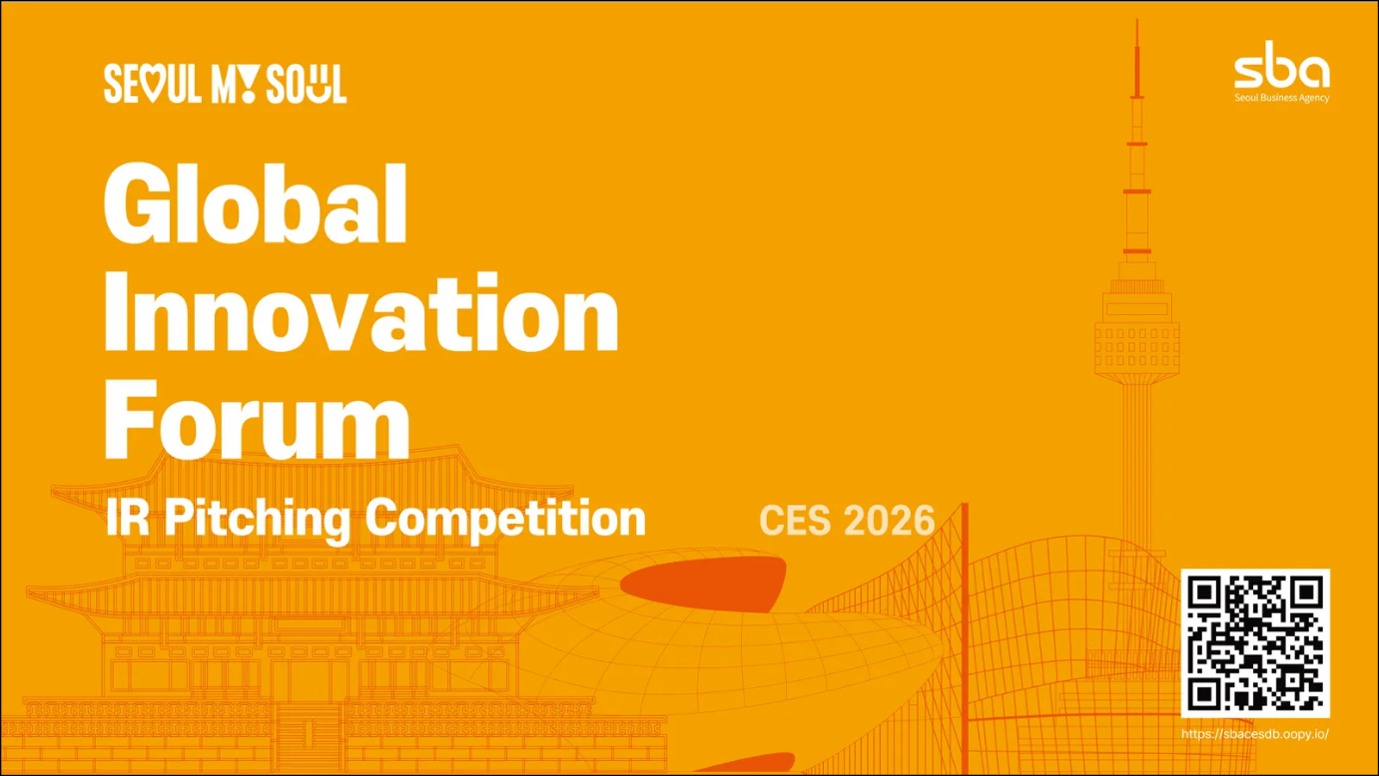
The Consumer Electronics Show draws over 130,000 attendees annually, making it the world’s most influential tech gathering. This year, Seoul Business Agency CES takes center stage by orchestrating the Global Innovation Forum 2016, a dedicated platform connecting Korean entrepreneurs with international investors, corporate partners, and media outlets. The initiative represents South Korea’s aggressive push to position its startup ecosystem among global innovation leaders.
CES has evolved beyond consumer gadgets into a critical networking arena for emerging companies seeking capital and market access. Korean startups historically struggled with visibility at this massive event, often overshadowed by Silicon Valley giants and established Asian conglomerates. Seoul Business Agency recognized this gap and designed a comprehensive support system that transforms how Korean entrepreneurs engage with global audiences.
The Global Innovation Forum creates structured opportunities for meaningful connections. Unlike generic exhibition booths, this program offers curated pitch sessions, industry-specific roundtables, and one-on-one investor meetings. Participating startups receive pre-event coaching on international business etiquette, pitch refinement, and cultural communication strategies that resonate with Western investors.
Why Seoul Chose CES 2026 as Its Global Launchpad
Las Vegas hosts CES every January, attracting decision-makers from Fortune 500 companies, venture capital firms, and innovation-hungry enterprises. The timing aligns perfectly with annual budget allocations and strategic planning cycles for many corporations. Seoul Business Agency leveraged this convergence to maximize exposure for Korean innovators across multiple sectors simultaneously.
The strategic advantages include:
- Direct access to 4,500+ media representatives covering technology trends
- Networking with representatives from 150+ countries in concentrated timeframes
- Immediate feedback from potential customers through live product demonstrations
- Partnership opportunities with distributors seeking Asian technology solutions
CES 2026 international startups will witness Seoul’s delegation showcasing innovations in artificial intelligence, biotechnology, clean energy, and advanced manufacturing. These sectors represent Korea’s competitive strengths, backed by robust government R&D investment and world-class engineering talent from institutions like KAIST and Seoul National University.
The Global innovation conference 2026 designation reflects Seoul’s ambition beyond simple exhibition participation. They’re creating a mini-ecosystem within CES where Korean startups, international accelerators, and cross-border venture funds collaborate intensively during the four-day event.
What Makes the Startup Showcase CES Seoul Different
Most startup pavilions at trade shows offer basic booth space and generic branding. The Global Innovation Forum delivers comprehensive pre-event preparation, active event management, and crucial post-event follow-up that converts initial contacts into concrete business relationships.
Three months before CES, selected startups receive:
- Market research briefings on target industries and competitive landscapes
- Legal consultation regarding intellectual property protection in international markets
- Financial modeling workshops to prepare investor-ready projections
- Language training focused on business English and presentation skills
During the event itself, Seoul Business Agency staff coordinate logistics, schedule meetings, and provide real-time interpretation services. This operational support allows founders to focus entirely on pitching and relationship building rather than navigating venue complexities.
The Startup showcase CES Seoul incorporates themed days focusing on specific industries. Day one emphasizes healthcare technology, day two highlights sustainable solutions, day three showcases consumer applications, and day four concentrates on enterprise software. This segmentation helps investors and corporate partners efficiently identify relevant innovations without sorting through hundreds of diverse exhibitors.
Post-event support distinguishes Seoul’s program from competitors. Agency representatives conduct debrief sessions, help startups prioritize follow-up communications, and facilitate introductions to Korean trade offices in markets where interest emerged. They track conversion rates and maintain relationships with international contacts for future matchmaking opportunities.
International Participation Expands Seoul’s Innovation Network
While Korean startups form the core contingent, the Global Innovation Forum actively recruits complementary international participants. This diversity enriches the experience for everyone involved and positions Seoul as a genuine global innovation hub rather than merely promoting domestic companies.
International startup participation includes:
- Southeast Asian fintech companies seeking Korean investment and technology partnerships
- European deeptech ventures exploring Asian manufacturing and distribution channels
- African agritech innovators interested in Korean sensor and automation technologies
- Latin American e-commerce platforms pursuing cross-border expansion strategies
These international participants benefit from Seoul Business Agency’s extensive network within Korea’s corporate sector. Samsung, LG, Hyundai, and other conglomerates actively seek external innovation through corporate venture capital arms and strategic partnerships. The forum facilitates introductions that might otherwise require months of cold outreach and relationship building.
Korean startups gain equally valuable exposure to business models, technologies, and market insights from international peers. A Seoul-based AI company might discover complementary hardware innovations from a Taiwanese partner, while a Korean cleantech venture learns about regulatory frameworks in European markets from German founders.
CES 2026 international startups participating through Seoul’s program also access promotional benefits. The agency coordinates joint press releases, facilitates journalist interviews, and amplifies social media presence through coordinated campaigns. Individual startups rarely achieve significant media coverage at CES given competition from major brands, but collective storytelling about global innovation collaboration generates substantially more interest.
How Seoul Supports Different Startup Maturity Stages
The Global Innovation Forum recognizes that early-stage prototypes require different support than growth-stage companies seeking Series B funding. Programming accommodates this spectrum through tiered participation options and customized assistance.
Early-stage companies (pre-seed to seed funding) receive:
- Exhibit space in collaborative zones promoting networking among peers
- Group pitch sessions to practice presentation skills before investor audiences
- Mentorship from successful entrepreneurs who previously scaled internationally
- Introduction to angel investor networks and early-stage venture funds
Growth-stage companies (Series A and beyond) access:
- Premium booth locations with enhanced branding and demonstration capabilities
- Private meeting rooms for confidential investor discussions
- Strategic advisor matching based on specific market entry goals
- Corporate partnership facilitation with potential enterprise customers
This differentiation ensures startups receive appropriate support without overwhelming early ventures with expectations beyond their current capabilities. Founders appreciate the realistic staging rather than one-size-fits-all programming that serves no one well.
Seoul Business Agency also coordinates sector-specific expert advisors who understand nuances of healthcare regulations, financial services compliance, or hardware manufacturing challenges. A medtech startup navigates dramatically different validation requirements than a SaaS platform, and specialized guidance prevents costly missteps when approaching international markets.
Investment Trends Driving Korean Startup Growth
Korean venture capital investment reached record levels recently, fueling startup ecosystem expansion across multiple sectors. Domestic institutional investors increasingly view startups as essential portfolio components rather than speculative sideshows. This capital availability enables Korean founders to build substantial companies before seeking international expansion.
Government initiatives complement private investment through tax incentives, regulatory sandboxes, and procurement programs favoring innovative small companies. The Seoul Metropolitan Government operates dedicated startup campuses providing subsidized workspace, technical infrastructure, and business development services.
Key investment sectors showing momentum include:
- Artificial intelligence applications in manufacturing, logistics, and customer service
- Biotechnology innovations leveraging Korea’s advanced healthcare infrastructure
- Clean energy solutions addressing climate commitments and energy security concerns
- Content technology platforms building on Korea’s entertainment industry success
The Global Innovation Forum showcases companies representing these investment trends to international audiences. Global venture funds increasingly recognize Korea’s ecosystem maturity and seek deal flow beyond traditional hotspots like Silicon Valley, Israel, or Singapore.
Cross-border investment patterns benefit from forums like this CES program. Korean investors discover international companies worth bringing to Korean markets, while foreign funds identify Korean startups ready for global expansion. These bidirectional flows strengthen the entire ecosystem rather than creating zero-sum competition.
Cultural Preparation Enhances International Success Rates
Korean business culture emphasizes hierarchy, consensus-building, and long-term relationship development. Western business environments often prioritize rapid decision-making, individual initiative, and transactional efficiency. These differences create friction that undermines otherwise promising partnerships.
Seoul Business Agency CES programming includes cultural intelligence training addressing these gaps. Founders learn to adapt communication styles, adjust negotiation approaches, and manage expectations appropriately for different cultural contexts.
Training modules cover:
- Direct versus indirect communication patterns and when to employ each approach
- Decision-making timelines and how to accelerate consensus without appearing pushy
- Contract negotiation norms across different legal and business traditions
- Relationship maintenance expectations post-initial agreement
This preparation dramatically improves conversion rates from initial meetings to signed partnerships. Many promising international collaborations fail not from business model incompatibility but from cultural misunderstandings that erode trust during early interactions.
Korean startups also benefit from understanding how international investors evaluate opportunities differently than domestic counterparts. Western VCs often prioritize market size and growth velocity, while Korean investors may emphasize technical sophistication and team credentials more heavily. Tailoring pitches to audience priorities increases funding success substantially.
Technology Infrastructure Supporting Virtual and Hybrid Participation
While CES remains primarily an in-person event, Seoul Business Agency recognizes that not every startup can justify international travel costs for early-stage market exploration. The Global Innovation Forum incorporates hybrid elements allowing remote participation for selected activities.
Virtual components include:
- Live-streamed pitch competitions with real-time judging and feedback
- Digital exhibition spaces showcasing startup videos, demos, and downloadable materials
- Virtual meeting rooms enabling video conversations between startups and interested investors
- Recorded content library preserving presentations for time-zone-flexible viewing
These digital extensions expand the program’s reach beyond the 50-100 startups physically attending CES. Hundreds of additional companies participate remotely, building visibility and making initial connections that may justify in-person attendance at future events.
The Global innovation conference 2026 model demonstrates how traditional trade shows can evolve by embracing technology without abandoning valuable face-to-face interactions. Investors still prefer meeting founders personally before writing checks, but initial screening and relationship building can happen efficiently through digital channels.
Seoul’s investment in broadcast-quality production ensures virtual participants don’t appear as afterthoughts. Professional filming, editing, and platform design create experiences comparable to physical attendance for awareness-building and initial networking purposes.
Measuring Success Beyond Immediate Deal Closures
Trade show participation often gets evaluated solely on deals signed during or immediately after the event. This short-term perspective misses substantial value from relationship building, market learning, and brand establishment that pay dividends over months or years.
Seoul Business Agency tracks multiple success metrics across different timeframes. Immediate outcomes include media mentions, investor meetings conducted, and partnership MOUs signed. These provide quick feedback on program effectiveness and startup quality.
Medium-term metrics (3-6 months post-event) measure:
- Follow-up meetings converting to concrete partnerships or investments
- Revenue generated from customer relationships initiated at CES
- Talent recruitment resulting from increased company visibility
- Accelerator or incubator acceptances facilitating market entry
Long-term indicators (12+ months) assess:
- International revenue as percentage of total company sales
- Foreign investment as proportion of total capital raised
- Geographic distribution of customer base and partner network
- Subsequent international expansion into additional markets
This comprehensive measurement approach helps Seoul Business Agency refine programming, select higher-quality participants, and demonstrate return on investment to government stakeholders funding the initiative.
Participating startups receive benchmarking data showing their performance against peers, helping them identify strengths to leverage and weaknesses requiring attention. This feedback loop continuously improves both individual company capabilities and overall program quality.
Future Expansion Plans for Seoul’s Global Innovation Initiative
The Startup showcase CES Seoul represents one component of Seoul’s broader strategy positioning the city as a global innovation connector. Similar programs are planned for other major international venues including Mobile World Congress in Barcelona, VivaTech in Paris, and Web Summit in Lisbon.
Seoul Business Agency aims to create year-round programming rather than isolated event participation. Monthly virtual pitch events connect Korean startups with rotating international investor audiences. Quarterly market visits bring groups of startups to targeted regions for intensive business development sprints. Annual reporting showcases ecosystem progress and celebrates success stories.
The agency also develops reciprocal programs bringing international startups to Seoul for market exploration. These inbound initiatives help Korean corporations access global innovation, create partnership opportunities for local startups, and establish Seoul as a genuinely bidirectional hub rather than merely exporting domestic companies.
Expansion plans include:
- Sector-specific deep dives in biotech, cleantech, and AI through specialized conferences
- Corporate innovation challenges where multinationals pose problems for startup solutions
- Investor education programs teaching international VCs about Korean ecosystem strengths
- Alumni networks connecting program graduates for ongoing collaboration and support
These initiatives require sustained funding, political support, and ecosystem buy-in from universities, corporations, and investors. Early results from the CES program will influence resource allocation and strategic direction for subsequent phases.
Conclusion: Seoul’s Vision for Global Startup Leadership
The Global Innovation Forum at CES 2026 international startups program demonstrates how cities can strategically position their entrepreneurial ecosystems on the global stage. Rather than waiting for organic recognition, Seoul proactively creates platforms showcasing its innovations and facilitating meaningful connections.
This approach acknowledges that startup success increasingly depends on international networks, capital, and market access. Domestic markets, regardless of size, cannot sustain high-growth technology companies targeting global opportunities. Strategic internationalization support helps startups navigate this complexity without diverting scarce resources from product development and customer acquisition.
Korean startups participating in this program gain competitive advantages through preparation, networking facilitation, and follow-up support that individual companies cannot replicate independently. International startups benefit from access to Korean corporate partnerships, investment capital, and technical expertise.
The Global innovation conference 2026 model offers lessons for other cities seeking to elevate their startup ecosystems. Success requires more than generic promotion—it demands understanding entrepreneur needs, building relevant programming, measuring outcomes rigorously, and continuously improving based on feedback and results.
As Seoul Business Agency CES demonstrates impact through concrete startup successes, expect increased investment, expanded programming, and broader recognition of Seoul as a serious global innovation hub. The journey from regional player to international leader requires sustained commitment, strategic thinking, and willingness to learn from both successes and setbacks.
Startups interested in participating should monitor Seoul Business Agency announcements for application timelines and selection criteria. The opportunity to access world-class support for international expansion represents valuable acceleration for companies serious about global impact.
Frequently Asked Questions
What is the Global Innovation Forum at CES 2026?
The Global Innovation Forum is a comprehensive program organized by Seoul Business Agency that helps Korean and international startups connect with global investors, corporate partners, and media at CES 2026. It provides preparation, networking facilitation, and follow-up support beyond basic exhibition space.
Who can participate in the Startup showcase CES Seoul program?
Both Korean startups and international companies can apply to participate. The program accommodates different maturity stages from early-stage prototypes to growth-stage companies seeking Series B funding, with customized support for each level.
What support does Seoul Business Agency provide to participating startups?
Seoul Business Agency offers pre-event market research, legal consultation, financial modeling workshops, language training, on-site logistics coordination, interpretation services, and post-event follow-up assistance to convert contacts into business relationships.
How does the CES 2026 international startups program differ from regular exhibition participation?
Unlike generic booth rentals, this program provides comprehensive preparation, cultural intelligence training, curated investor meetings, sector-specific programming, professional interpretation, and sustained post-event support to maximize conversion from initial contacts to partnerships.
What industries will be featured at the Global innovation conference 2026?
The forum emphasizes artificial intelligence, biotechnology, clean energy, advanced manufacturing, fintech, healthcare technology, sustainable solutions, consumer applications, and enterprise software across themed days during the four-day event.
Can startups participate virtually if they cannot travel to CES?
Yes, Seoul Business Agency offers hybrid participation options including live-streamed pitch competitions, digital exhibition spaces, virtual meeting rooms, and recorded content libraries for startups unable to attend physically.
How does Seoul measure success for participating startups?
Success metrics include immediate outcomes like media mentions and investor meetings, medium-term measures such as partnership conversions and revenue generation, and long-term indicators including international revenue percentage and foreign investment ratios over 12+ months.