
Waymo Vehicle Becomes Unexpected Birthing Suite as San Francisco Woman Delivers Baby Mid-Journey

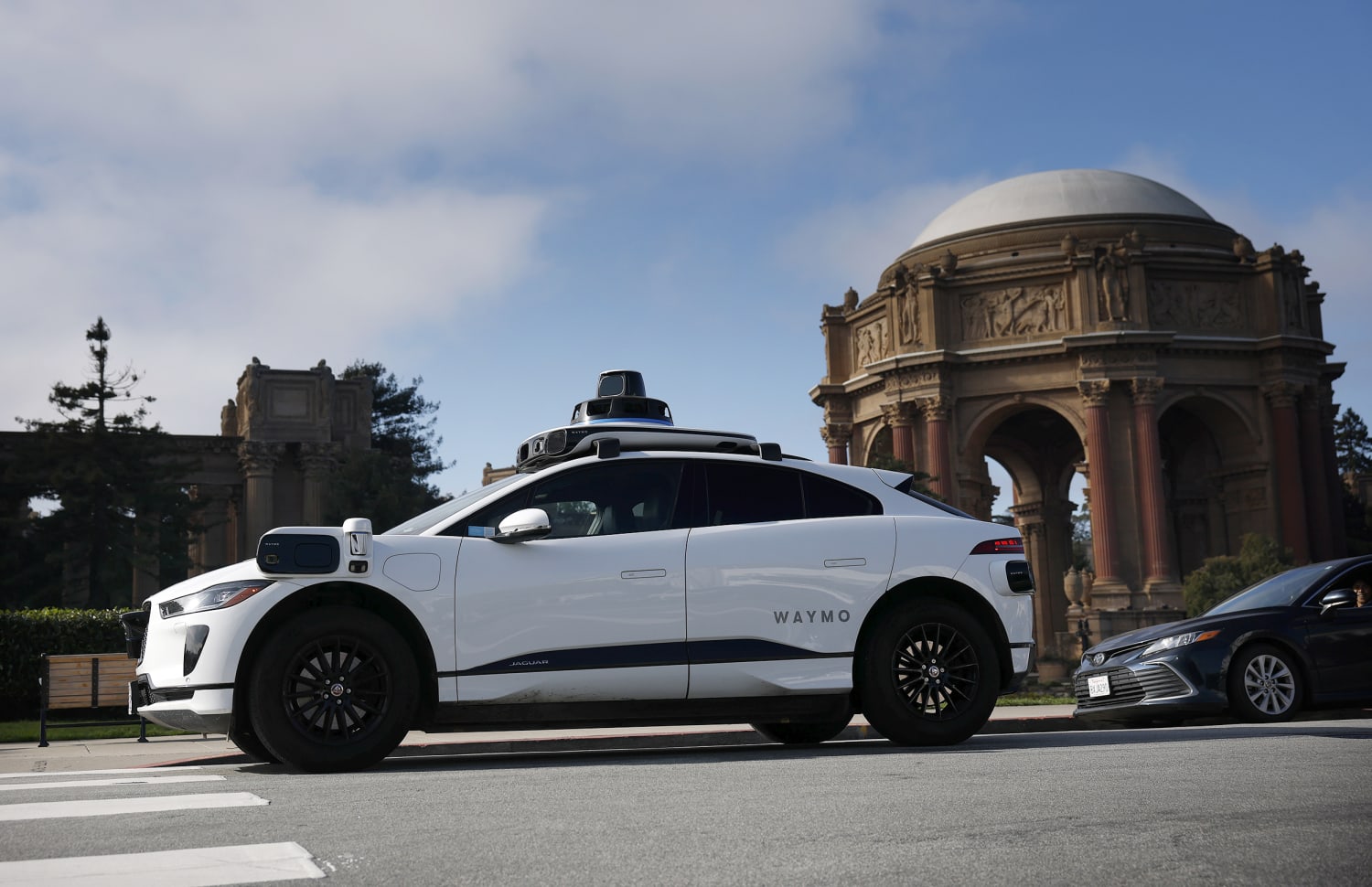
A San Francisco woman gave birth inside a Waymo self-driving taxi while en route to the University of California, San Francisco Medical Center on Monday night, marking a remarkable milestone in autonomous vehicle history. This wasn’t the first baby born in a Waymo vehicle, yet the incident has captured public attention and sparked conversations about the evolving role of self-driving technology in our daily lives.
Waymo’s rider support team detected “unusual activity” inside the vehicle during the journey and promptly called to check on the passenger while alerting emergency services. The timing proved crucial. The taxi successfully delivered both mother and newborn to the hospital ahead of emergency responders, demonstrating the autonomous vehicle’s efficiency in a genuine crisis.
How Waymo’s Technology Detected the Birth Emergency
The incident raises fascinating questions about how self-driving cars monitor their passengers. Waymo has acknowledged using internal and external cameras and microphones in its vehicles, though the company hasn’t disclosed specific details about how their system flagged the unusual circumstances. Waymo declined to elaborate on how the vehicle detected something was amiss, though the company has confirmed it uses cameras and microphones both inside and outside the cars.
This technology represents a significant advancement in passenger safety protocols. Unlike traditional taxis where drivers might miss subtle signs of distress, Waymo’s autonomous monitoring system can detect irregularities and respond accordingly. The remote support team’s swift action in contacting both the passenger and emergency services showcases the human oversight that remains integral to autonomous vehicle operations.
Breaking Down the Waymo Birth Experience
The mother’s journey began as a routine ride to UCSF Medical Center for what she presumably expected to be a hospital delivery. On Monday night, December 10th, the pregnant woman was traveling to the University of California San Francisco Hospital when she went into labor inside the self-driving vehicle. Waymo confirmed that the woman gave birth in the backseat of the autonomously operated Jaguar I-Pace before reaching the hospital.
The birth presented unique logistical challenges. Emergency services never caught up with the vehicle, as the baby was born in the back seat and both mother and newborn reached the hospital safely before responders arrived. UCSF later confirmed that both were healthy, bringing the extraordinary journey to a positive conclusion.
Following the delivery, Waymo immediately took the vehicle out of service for cleaning, highlighting the company’s practical response protocols for unusual circumstances.
Waymo’s Safety Record and Birth Statistics
This baby born in Waymo incident comes at a time when the company is actively promoting its safety achievements. Recent data shows that over 22 million rider-only miles driven through June 2024, the Waymo Driver has been involved in 84% fewer crashes with airbag deployment, 73% fewer injury-causing crashes, and 48% fewer police-reported crashes compared to human drivers.
The company’s safety metrics extend beyond crash statistics. A Swiss Re study found that the Waymo Driver demonstrated an 88% reduction in property damage claims and 92% reduction in bodily injury claims compared to human-driven vehicles. These figures become particularly relevant when considering emergency scenarios like the recent birth.
The company has confirmed that at least one other baby was previously born in one of their vehicles in Phoenix, suggesting that such incidents, while rare, are becoming part of Waymo’s operational experience. The company’s response reflects growing confidence in handling unexpected human situations within their autonomous systems.
The Autonomous Vehicle Industry’s Human Moments
This baby born in Waymo represents more than just an unusual news story—it exemplifies how autonomous vehicles are becoming deeply integrated into significant life events. Hidden beneath memes about malfunctioning robot cars is a steadily growing résumé of real human milestones, with Waymo stating they’re “proud to be a trusted ride for moments big and small”.
The incident occurs against a backdrop of mixed publicity for Waymo. The company’s driverless taxis have faced criticism over the past year, including blocking fire trucks, making illegal turns in front of police, and an infamous case involving the death of a neighborhood cat named Kit Kat. However, this week Waymo managed something decidedly human—safely facilitating a birth en route to medical care.
Technical Capabilities During Medical Emergencies
The successful management of this birth emergency demonstrates several key aspects of Waymo’s technical infrastructure. The vehicle’s ability to continue its route safely while unusual activity occurred in the passenger compartment highlights the robustness of its autonomous systems. Waymo’s advanced sensors can detect and respond to objects up to 300 meters away, enhancing safety, though in this case, the critical detection happened within the vehicle itself.
The incident also showcases Waymo’s remote monitoring capabilities. Unlike fully independent autonomous vehicles, Waymo maintains human oversight through their support team, which proved essential in this emergency. The team’s ability to detect unusual activity, verify the situation, and coordinate with emergency services demonstrates a sophisticated emergency response protocol.
This birth experience also highlights the importance of Waymo’s vehicle design. The spacious backseat of the Jaguar I-Pace provided sufficient space for the delivery, while the vehicle’s smooth autonomous driving likely contributed to the safe birth environment.
Implications for Self-Driving Car Birth Stories
The baby born in Waymo incident signals broader implications for autonomous vehicle adoption. As self-driving technology becomes more prevalent, emergency situations like births, medical crises, and other urgent scenarios will inevitably occur within these vehicles. The successful handling of this birth demonstrates that autonomous vehicles can serve as more than just transportation—they can become temporary emergency response platforms.
San Francisco has become a testing ground for autonomous vehicle technology, with robots now officially handling rush-hour traffic, double-parking, and apparently labor and delivery. This progression from basic transportation to emergency situation management represents a significant evolution in autonomous vehicle capabilities.
The incident also raises questions about emergency protocols in autonomous vehicles. How should these systems prioritize destinations when medical emergencies occur? Should they automatically route to the nearest hospital? The successful outcome of this birth suggests current protocols work well, but each emergency situation may require unique considerations.
Public Reaction and Cultural Impact
Waymo embraced the lighthearted aspects of the situation in a blog post, describing the newborn as an “extra surprise” delivered in the backseat, noting that “some people just can’t wait for their first Waymo ride”. This playful response demonstrates how companies can manage unexpected publicity while maintaining sensitivity to the human elements involved.
The story has resonated differently than typical autonomous vehicle news. Against the backdrop of technical hiccups and traffic violations, a calm, complication-free birth inside a driverless car feels like a rare, wholesome anomaly with no traffic violations or technical problems—just a successful arrival, albeit earlier than planned.
The incident raises philosophical questions that previous generations never had to consider: Does the baby get its own rider rating? Should the parents tip? And what exactly does a robotaxi think when a human being materializes in its back seat?
Waymo Rider Experience Evolution
This birth story represents a unique chapter in waymo rider experience development. Traditional ride-sharing services occasionally deal with medical emergencies, but autonomous vehicles add new layers of complexity and capability. The remote monitoring system’s ability to detect and respond to unusual passenger situations demonstrates advanced passenger care protocols.
Waymo’s vehicles now operate on freeways across San Francisco, Silicon Valley, Los Angeles, and Phoenix, with the company providing more than 5 million rides, with 4 million completed in the past year alone. As ridership expands, emergency situations like births will likely become more common, requiring continued refinement of response protocols.
The successful birth also validates Waymo autonomous vehicle safety systems during unexpected circumstances. While the vehicle wasn’t responding to external road hazards, its ability to maintain safe operation while passengers experienced a medical emergency demonstrates system reliability under unusual stress conditions.
Future Considerations for Waymo Birth Protocols
The baby born in Waymo incident will likely influence future autonomous vehicle designs and protocols. Vehicle manufacturers may consider enhanced medical emergency features, improved communication systems between passengers and remote operators, and specialized training for support staff handling unusual situations.
Waymo expressed pride in being “a trusted ride for moments big and small, serving riders from just seconds old to many years young,” wishing the new family well and looking forward “to safely getting them where they’re going through many of life’s events”. This statement suggests the company views such incidents as part of their expanding role in passengers’ lives.
The birth experience also demonstrates the importance of human oversight in autonomous systems. While the vehicle operated safely throughout the emergency, human intervention through the remote support team proved crucial for coordinating appropriate responses and ensuring passenger welfare.
Medical Emergency Preparedness in Self-Driving Cars
This first baby born in driverless car scenario highlights important considerations for medical emergency preparedness in autonomous vehicles. Unlike traditional taxis where drivers can make split-second decisions about route changes or emergency procedures, autonomous vehicles rely on pre-programmed responses and remote human oversight.
The successful outcome suggests current emergency protocols are effective, but future enhancements might include direct communication with emergency medical services, automatic routing to the nearest appropriate medical facility when emergencies are detected, and enhanced passenger monitoring capabilities.
As Waymo continues serving communities and driverless vehicles become increasingly popular in parts of the western United States, with permission to operate on freeways and interstates around major cities, emergency preparedness will become increasingly critical.
The baby born in Waymo story ultimately demonstrates how autonomous vehicle technology is evolving beyond simple transportation to become a comprehensive mobility service capable of handling life’s unexpected moments. As these systems continue advancing, they’re proving capable of safely managing not just routine trips, but the extraordinary circumstances that define human experience.
This remarkable birth story shows that autonomous vehicles are ready for real-world complexities, turning what could have been a stressful emergency into a successful delivery with a positive outcome for everyone involved. The incident serves as a powerful example of how technology and human oversight can work together to ensure safety during life’s most unpredictable moments.
Frequently Asked Questions
Is this the first baby born in a Waymo vehicle?
No, Waymo confirmed this wasn’t the first birth in their vehicles, with at least one previous birth occurring in their Phoenix operations.
How did the Waymo vehicle detect the medical emergency?
Waymo’s remote support team detected “unusual activity” through their monitoring systems, which include internal cameras and microphones, though specific detection methods weren’t disclosed.
Did the mother and baby receive proper medical care?
Yes, both mother and newborn arrived safely at UCSF Medical Center ahead of emergency responders and received immediate medical attention.
What happened to the Waymo vehicle after the birth?
The vehicle was immediately removed from service for thorough cleaning before being returned to the active fleet.
How safe are Waymo vehicles during medical emergencies?
Recent studies show Waymo vehicles have 84% fewer crashes with airbag deployment and 73% fewer injury-causing crashes compared to human drivers, with robust emergency response protocols.
Can Waymo vehicles handle other types of medical emergencies?
While this birth was successfully managed, Waymo vehicles are equipped with monitoring systems and remote support teams trained to respond to various emergency situations.
Will this incident change Waymo’s emergency protocols?
While specific protocol changes weren’t announced, the successful outcome demonstrates the effectiveness of current emergency response systems and remote monitoring capabilities.