
Cat Goetze’s Bluetooth Landline Phone Startup Makes Rs 1 Crore in 3 Days: The Retro Revolution That’s Changing Tech Culture

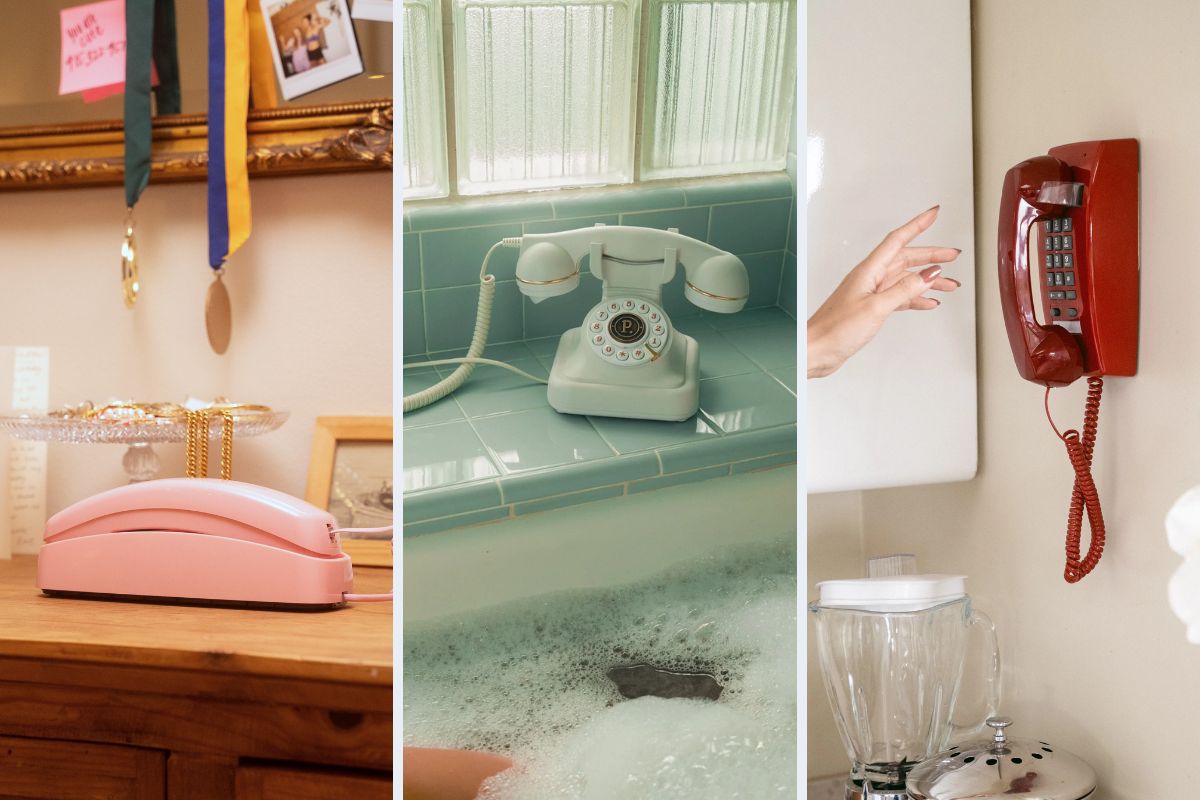
Can you imagine selling $120,000 worth of phones in just three days with nothing more than a viral social media post? That’s exactly what happened when Cat Goetze, a tech entrepreneur known as @AskCatGPT, launched her revolutionary Bluetooth landline phone startup called Physical Phones.
The numbers are staggering. What started as a quirky experiment in her apartment has exploded into a full-blown business phenomenon. Her Bluetooth landline phone startup didn’t just capture attention—it captured lightning in a bottle and turned it into cold, hard cash.
But this isn’t your typical Silicon Valley success story. This is something different. Something that speaks to our collective exhaustion with endless scrolling, constant notifications, and the overwhelming presence of smartphones in every moment of our lives.
The Genesis of a Game-Changing Bluetooth Landline Phone Startup
Cat Goetze’s journey began two years ago with a simple observation. She was tired of being glued to her phone. Sound familiar? As a tech founder who understands the digital world inside and out, she felt the irony deeply.
“I was kind of just sitting around thinking it’d be so cute if we still had landline phones and you could twirl the cord and talk with your friends,” Goetze told CNBC Make It. That nostalgic feeling sparked something bigger than she ever imagined.
Initially, she looked into getting an actual landline for her apartment. However, the reality hit quickly—new phone numbers, monthly line fees, and all the complications of legacy infrastructure. So she did what any innovative entrepreneur would do: she built her own solution.
“I literally just hijacked a landline phone and made it Bluetooth compatible,” she explained. The pink clamshell handset became the star of her apartment, turning heads and starting conversations whenever guests visited.
The Viral Moment That Launched a Bluetooth Landline Phone Startup Empire
For two years, Goetze kept her creation as a personal experiment. But in July 2025, she decided to share it with her online audience. She posted a simple video showcasing her retro bluetooth phone, thinking maybe a few dozen people might find it interesting.
She was wrong. Spectacularly wrong.
Within hours, hundreds of people flooded the comments section demanding to know where they could buy one. The response was so overwhelming that Goetze quickly set up an online shop, expecting maybe 15 to 20 pre-orders.
According to documents reviewed by CNBC, her Bluetooth landline phone startup passed $120,000 in sales in its first three days. By the end of October, Physical Phones had sold over 3,000 units and generated $280,000 in total revenue.
“It literally felt like we had captured lightning in a bottle,” Goetze reflected on the explosive start of her Bluetooth landline phone startup.
How Physical Phones Actually Work: The Tech Behind the Magic
You might be wondering: what exactly makes this Bluetooth landline phone startup so special? The technology is elegantly simple yet brilliantly executed.
Physical Phones connect to both iPhone and Android devices via Bluetooth and will ring when the smartphone receives a phone call, or an audio or video call from platforms like WhatsApp, FaceTime, Instagram and Snapchat. The audio routes directly to the landline phone with bluetooth capabilities.
For outbound calls, users can dial numbers directly or press the star sign (*) to activate their smartphone’s voice assistant. They can then instruct it to call any contact by name. This seamless integration means you get all the functionality of modern communication wrapped in the nostalgic package of a retro bluetooth phone.
The genius lies in the balance—maintaining smartphone connectivity while dramatically reducing screen time and the compulsive behaviors that come with it.
The Business Model Behind This Viral Tech Startup Sales Success
Currently, Physical Phones offers five different styles ranging from $90 to $110. The pricing strategy hits the sweet spot between accessibility and premium positioning.
When the viral tech startup sales explosion happened, Goetze had to completely pivot her business model. “I called the smartest people I know who work in e-commerce and have done product development and hardware development with China,” she explained. “And I was like, ‘Please, help me. Please, please, please help me.'”
The scaling process required partnering with an electronics manufacturer and securing warehouse space. Goetze partnered with an electronics manufacturer to produce the phones, and the first batches are set to ship to customers starting in December.
This rapid transformation from DIY apartment project to legitimate manufacturing operation showcases the incredible potential when viral tech startup sales meet solid execution.
The Cultural Movement Behind Cat Goetze Phone Success
The explosive Cat Goetze phone success reflects something much deeper than just clever product design. We’re witnessing a cultural shift, a collective awakening to the downsides of our smartphone-dominated existence.
Goetze says the success of her business aligns with a growing movement of people trying to reduce their screen times and reliance on smartphones. The COVID-19 pandemic played a massive role in this transformation, pushing people deeper into their devices for connection and entertainment.
But now there’s a backlash brewing. “Our attention spans are shorter. We feel more anxious. We’re less present and unable to enjoy our lives. We’re going through a total loneliness epidemic,” Goetze observed.
This isn’t about demonizing technology entirely. Instead, it’s about finding balance and harmony with our digital tools rather than being enslaved by them.
The No-Phone Party Movement: Taking Digital Detox Beyond Products
Cat Goetze’s influence extends far beyond her Bluetooth landline phone startup. She’s also pioneering real-world experiences that bring people together offline. In October, she organized a no-phone Y2K throwback party in Silver Lake that drew 700 attendees.
The party announcement went out just four days before the event, yet hundreds of Los Angeles residents showed up ready to check their phones at the door. The result was magical—actual human connection in an age of digital isolation.
“I literally saw a girl give a guy her number by writing it on a napkin,” Goetze recounted. “Like, I don’t know what is more emblematic of the early 2000s and pre-cellphone era than that.”
This no-phone party concept represents what Goetze calls the “analog renaissance”—a return to authentic, unmediated human experiences.
The Social Media Paradox: Building an Anti-Phone Brand on Digital Platforms
Here’s where the story gets really interesting. Goetze makes content under the username “@askcatgpt,” focused on helping her followers find a healthy balance with technology. She came back to social media after a five-year hiatus and has amassed over 500,000 followers on TikTok.
The irony isn’t lost on her. As a content creator, she uses social media platforms to advocate for spending less time on social media platforms. But she sees it as being “part of the solution instead of contributing to keeping people on their phones.”
“We’ve got to get back out there and start talking to each other again because we’re not going to find connection on the apps,” she emphasized. Her approach demonstrates that technology isn’t inherently good or evil—it’s about how we use it.
The Psychology Behind the Landline Phone with Bluetooth Appeal
What makes the landline phone with bluetooth concept so psychologically compelling? The answer lies in the tactile experience and intentional communication it promotes.
Traditional smartphones are designed to capture and hold our attention through notifications, colors, apps, and endless scroll feeds. In contrast, a retro bluetooth phone strips away all those distractions while maintaining essential communication functionality.
The physical act of picking up a handset, dialing a number, and having focused conversations harks back to a time when phone calls were events, not interruptions. According to research, only 4.1% of Americans went to a party on an average weekend in 2023, highlighting our increasing social isolation.
This Bluetooth landline phone startup addresses that isolation by making communication more intentional and less compulsive.
Scaling Challenges and Manufacturing Reality
Transforming a DIY project into a scalable Bluetooth landline phone startup presents significant logistical challenges. When viral tech startup sales exploded beyond all expectations, Goetze had to quickly establish proper supply chains, quality control, and customer service infrastructure.
“Now we have a warehouse, and we have a manufacturer in China, and they’re doing the first run, and we’re getting our final production samples pretty soon, and we’re hoping to ship out by Christmas,” Goetze explained during the scaling process.
The transition from making phones individually in her apartment to coordinating with overseas manufacturers represents the classic startup challenge of maintaining quality while rapidly increasing production capacity.
However, the strong pre-order demand provides a solid foundation for scaling operations and validates the market appetite for such products.
Market Positioning and Competitive Landscape
The Bluetooth landline phone startup occupies a unique niche in the broader “digital wellness” market. Unlike apps that claim to help you use your phone less (the irony is palpable), Physical Phones offers a hardware solution that physically separates you from your device while maintaining connectivity.
This positioning differentiates the retro bluetooth phone from other digital wellness products. It’s not about willpower or self-control—it’s about changing the fundamental interaction model with technology.
The price point of $90-110 positions these devices as accessible luxury items rather than mass-market commodities. This pricing strategy suggests that customers value the concept enough to invest in a premium solution.
The Future of Digital Wellness and Intentional Technology
Cat Goetze’s success with her Bluetooth landline phone startup signals broader trends in consumer technology. As people become increasingly aware of technology’s impact on mental health, attention spans, and social connections, demand for “analog renaissance” products will likely continue growing.
Goetze’s mission involves teaching people “how to use tech like a billionaire”—leveraging technology strategically rather than being consumed by it. Tech industry leaders understand how to harness technology’s power while protecting themselves from its addictive qualities.
This philosophy represents a mature approach to our relationship with digital tools. Instead of complete rejection or blind acceptance, we can choose intentional engagement.
The viral tech startup sales success of Physical Phones suggests that millions of people are ready for this more thoughtful approach to technology integration.
Lessons for Entrepreneurs and Startup Founders
The Cat Goetze phone success story offers several crucial insights for aspiring entrepreneurs:
Start with personal pain points: Goetze created Physical Phones because she personally wanted a solution to smartphone addiction. The most authentic businesses often start with founders solving their own problems.
Test before you scale: She spent two years using her prototype before sharing it publicly. This patience allowed her to refine the concept and understand its true value.
Be prepared for viral moments: When the opportunity came, Goetze had to rapidly mobilize resources, call in experts, and scale operations. Success often comes suddenly, requiring quick adaptation.
Tap into cultural movements: The Bluetooth landline phone startup succeeded because it aligned with broader cultural trends around digital wellness and intentional technology use.
These lessons extend beyond hardware startups to any business seeking to create meaningful change in people’s lives.
The Broader Impact of Retro Technology Revival
Physical Phones represents part of a larger trend toward retro technology revival. From vinyl records to film cameras to now landline phones with bluetooth capabilities, consumers are increasingly drawn to older technologies that offer different experiences than their modern equivalents.
This trend suggests that newer isn’t always better, and that progress doesn’t always mean more features, more connectivity, or more stimulation. Sometimes progress means simplification, intentionality, and focus.
The success of this retro bluetooth phone concept validates the market for products that provide modern functionality wrapped in nostalgic, tactile experiences.
Conclusion: The Revolution Will Be Analog
Cat Goetze’s Bluetooth landline phone startup represents more than just a clever product—it embodies a movement toward more intentional technology use. By generating Rs 1 crore (approximately $120,000) in just three days, Physical Phones proved that consumers are hungry for alternatives to smartphone addiction.
The story demonstrates that viral tech startup sales success isn’t just about having great technology—it’s about solving real problems that people desperately want solved. In our hyperconnected world, sometimes the most revolutionary product is one that helps us disconnect.
As we move forward into an increasingly digital future, entrepreneurs like Goetze show us that the path forward isn’t necessarily about more technology—it’s about better, more intentional technology. The landline phone with bluetooth concept succeeds because it preserves what we love about modern communication while eliminating what drives us obsessed.
The analog renaissance has arrived, and it’s being led by people who understand technology well enough to know when to use it—and when to step away. For entrepreneurs looking to build the next big thing, perhaps the answer lies not in adding more features, but in thoughtfully removing the ones that no longer serve us.
Frequently Asked Questions (FAQs)
Q1: How does Cat Goetze’s Bluetooth landline phone startup work?
A: Physical Phones connect to smartphones via Bluetooth, allowing users to make and receive calls through a retro handset while keeping their phone in another room, reducing screen time and digital distractions.
Q2: How much revenue did the Physical Phones startup generate in its first three days?
A: The Bluetooth landline phone startup generated $120,000 (approximately Rs 1 crore) in sales during its first three days, according to documents reviewed by CNBC Make It.
Q3: What makes Physical Phones different from regular smartphones?
A: Unlike smartphones with endless apps and notifications, the landline phone with bluetooth functionality focuses solely on voice communication, promoting intentional phone use and reducing addictive screen behaviors.
Q4: Who is Cat Goetze and why did she create Physical Phones?
A: Cat Goetze, known as @AskCatGPT, is a tech entrepreneur who created this Bluetooth landline phone startup to help people find balance with technology after experiencing her own smartphone addiction issues.
Q5: How much do Physical Phones cost and when are they available?
A: The retro bluetooth phone devices range from $90 to $110 across five different styles, with the first production batches scheduled to ship to customers starting in December 2025.
Q6: What is the “analog renaissance” that Cat Goetze promotes?
A: The analog renaissance refers to a cultural movement toward intentional technology use, offline experiences, and retro products that promote human connection over digital consumption, exemplified by her no-phone parties and Physical Phones.
Q7: How successful has the Physical Phones business become overall?
A: By the end of October 2025, the viral tech startup sales reached over $280,000 in total revenue with more than 3,000 units sold, transforming from a DIY apartment project into a legitimate hardware company.