
Top Chefs, Including Founder of The Cinnamon Collection, Predict 2026 Food Trends

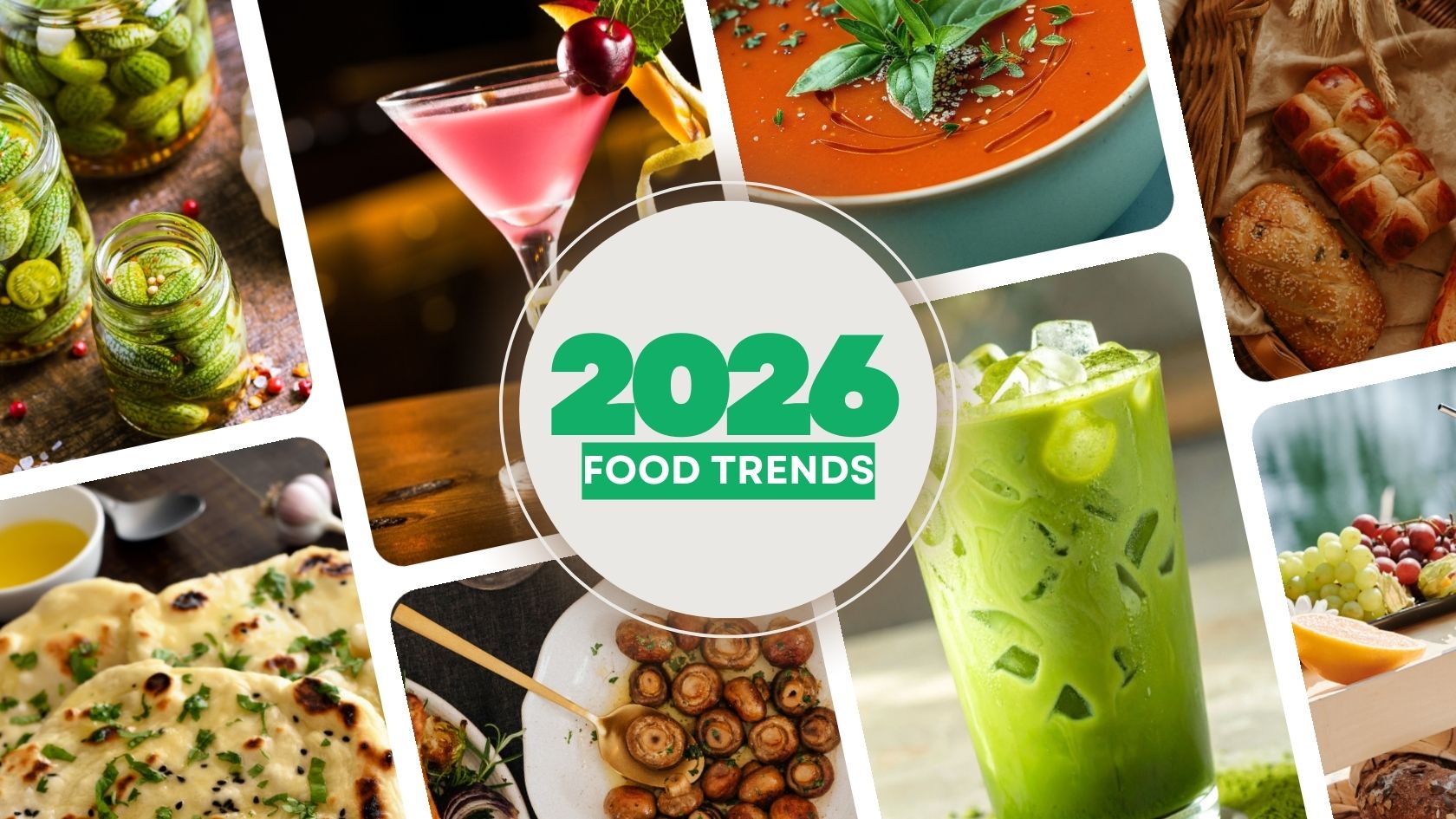
The culinary world is buzzing with excitement as leading chefs unveil their predictions for the year ahead. What will define our plates in 2026? From zero-waste cooking to the rise of swicy flavors, the 2026 food trends promise to revolutionize how we eat, cook, and think about food.
Industry visionaries are painting a picture of conscious consumption. They’re predicting bold flavor combinations. Most importantly, these culinary experts see dining experiences that bring people together in meaningful ways. The 2026 food trends reflect a fundamental shift toward sustainability, innovation, and cultural fusion.
The Rise of Zero-Waste Culinary Innovation
Vivek Singh, founder and executive chef of The Cinnamon Collection, leads the charge in sustainable cooking practices. “We will see more examples of dishes using every part of an ingredient and reducing waste,” Singh predicts. “For example, I think we will see more chefs using offcuts to make preserves, pickles and ferments to complement their dishes and eliminate waste.”
This zero-waste philosophy represents more than environmental consciousness. It demonstrates creativity under constraint. Chefs are transforming food scraps into culinary gold.
Zero-waste cooking is growing in UK restaurants, with chefs creating world-class dishes from ingredients that would normally be discarded. From a cost-of-living perspective, it’s a smart move too, as using every part of an ingredient helps boost margins while supporting sustainability.
The movement extends beyond professional kitchens. Home cooks are embracing techniques that maximize ingredient potential. They’re learning to see beauty in beetroot greens. They’re discovering umami in mushroom stems. This represents a profound cultural shift in how we value food.
Swicy: The Sweet and Spicy Revolution
The 2026 food trends showcase a fascinating fusion called “swicy” – everything from snacks to frozen meals to condiments to canned drinks are embracing consumers’ love of blending spice with sweet, creating a new category. Sweet and spicy combinations have long been popular in Latin America, Southeast Asia and more, but we are now seeing more American palates turn to balancing sweet and spicy flavors for the perfect bite.
This flavor profile speaks to our desire for complexity. We crave foods that surprise our palates. Swicy delivers both comfort and excitement in every bite.
Popular examples include Dumpling Daughter Spicy Sweet Soy Sauce, De La Calle Tepache in Picante Mango Chili, We Love You Gochujang Korean Chili Sauce and Natural Delights Chili Lime Medjool Date Strips. These products represent just the beginning of this trend.
The psychology behind swicy foods reveals our modern relationship with flavor. We’re seeking emotional balance through food. Sweet provides comfort. Spicy delivers excitement. Together, they create the perfect culinary harmony that 2026 food trends demand.
The Fine-Dining Frozen Revolution
A wave of new frozen meals, appetizers and sides means good news for those consumers eager to create a delicious (and even restaurant-worthy) eating experience at home. Customers are looking to pair high quality ingredients with globally-inspired flavors and time-saving hacks, and these frozen options are perfect for meal planners that need a night off or budget-conscious foodies who want a break from eating out. Think frozen arancini, pupusas and other chef-inspired favorites that will taste just like they’re coming out of a fancy restaurant kitchen … when really, it’s just your air fryer.
This trend reflects our complicated relationship with convenience. We want quality. We need efficiency. The 2026 food trends answer this dilemma with sophisticated frozen options.
Chef-driven frozen foods represent a democratization of fine dining. Previously exclusive restaurant experiences become accessible to home cooks. This shift acknowledges that good food shouldn’t require extensive preparation time or restaurant budgets.
Matcha Moves Beyond Beverages
Matcha has officially taken over coffee shops, but in 2026, we expect it to make its way onto our plates, with a wide selection of matcha-flavored desserts, snacks, drinks and supplements filling our shelves. Matcha will become a mainstream ingredient in the coming year, with consumers driven by the savory flavor profile and health benefits from the green tea blend.
The matcha expansion represents our growing interest in functional foods. We want ingredients that taste good and provide health benefits. Matcha delivers both earthiness and antioxidants.
Popular products leading this trend include Social Hour Cucumber Matcha Mojito, Bubbies Mochi Ice Cream in Matcha Green Tea, Mezcla Puff-Crispy Bar in Matcha Vanilla, Further Food Grass-Fed Collagen Peptides Matcha Powder.
Late-Night Dining Makes a Comeback
In 2026, people are seeking flexibility and connection, with dining experiences that bring them together. Late-night dining is making a comeback, opening up the city’s after-dark scene, with some incredible offerings and special menus post 9pm.
This trend reflects our changing social patterns. Work schedules have evolved. Social needs have intensified post-pandemic. Late-night dining provides the flexibility modern diners crave.
The 2026 food trends embrace spontaneity. They celebrate the magic that happens when good food meets good company, regardless of the hour. Cities are awakening to new culinary possibilities after dark.
Chef Collaborations Reshape Restaurant Experiences
Chefs like David Chang of Momofuku, Mario Carbone and Rich Torrisi of Carbone, Carlo Mirarchi of Roberta’s and Rita Sodi and Jody Williams of Via Carota have continued to build upon existing condiments, canned cocktails, sauces and more, with several exciting new chef-led options coming to market in the year ahead.
These collaborations extend chef expertise into home kitchens. They bridge the gap between restaurant quality and home convenience. The 2026 food trends showcase how celebrity chefs are democratizing fine dining.
More restaurants are inviting chefs to “reside” in their kitchens for limited-time menus. This attracts chef communities, entertains customers, and refreshes menus. It offers something new to your venue, as well as an amazing opportunity to communicate. The key: keep it simple, rare, and time-limited.
Artisanal Waters Join the Luxury Market
Artisanally crafted products have long been popular amongst consumers, with the newest craze looking to artisanal waters, sourced from mineral springs around the world. With restaurants hiring water sommeliers to curate water selections for tasting menus, we’ve seen customers take the trend home, buying water for its specific flavor profiles of salinity, minerality and more.
This trend might seem excessive, but it reflects our growing sophistication as consumers. We’re developing palates for subtlety. Water becomes another expression of terroir and craftsmanship.
The 2026 food trends include this premium water movement as restaurants elevate every aspect of the dining experience. Nothing is too mundane for improvement.
Regional Indian Cuisine Takes Center Stage
When it comes to savory dishes, expect more fanfare around Indian cuisine. On the sweeter side of things, U.S. treats are getting inspiration from places like Mexico and Sweden.
Southeast Asian and Middle Eastern cuisines will continue to increase in popularity, with ingredients like ube, pandan and tamarind showing up on menus. The nostalgia trend will see forgotten flavours and dishes, such as suet pies and school cakes with custard, returning to menus with a more elevated approach.
This diversification reflects our global palate development. We’re moving beyond generic ethnic categories. We’re seeking specific regional expressions. The 2026 food trends celebrate authenticity and specificity.
Neuroflavor: Food That Affects Your Mood
As nootropics, adaptogens, and retronasal olfaction go mainstream, the rise of “neuroflavor”—flavor experiences designed to modulate mood, cognition, and emotional states—will be a defining trend of 2026. Products formulated for calm, clarity, energy, and emotional support will span categories from beverages and mints to tinctures, chocolates, and scent-integrated foods.
This represents the intersection of food and wellness technology. We’re not just eating for pleasure anymore. We’re eating for specific psychological outcomes. The 2026 food trends embrace food as medicine for the mind.
Joy-Seeking Through Food Choices
Delicious food and drink have always evoked joy, but in 2026, consumers will actively choose flavors with joy as the end goal. Food futurologists see joy-seeking taking center stage in 2026 and driving food and beverage choices. “We’re going to be looking for those little moments of joy … because things are so challenging.”
This psychological approach to eating reflects our times. We’re consciously seeking happiness through our food choices. The 2026 food trends prioritize emotional nourishment alongside physical nutrition.
Medicinal Herbs Move Front and Center
With more plant-forward and ‘food as medicine’ awareness among consumers, medicinal herbs that not only are packed with nutrients but also immense flavor will break away from being used just as additives in food and beverages to being front-and-center flavor. Examples such as tulsi (holy basil) and nettles in pestos, dandelion greens and mallow in savory pies and soups, and purslane in salads and smoothies illustrate how these herbs are poised to move from niche to mainstream.
This trend bridges traditional medicine and modern cuisine. We’re rediscovering ancient wisdom through contemporary cooking techniques. The 2026 food trends honor both tradition and innovation.
Cross-Cultural Fusion Reaches New Heights
We will see more hot sauces with tangy ingredients like yuzu and tamarind, as well as umami-rich ingredients like miso and black garlic. Some of the world’s top fine-dining restaurants are incorporating flavor progressions found in both cuisines, which is always a strong indication of what we will subsequently see in our grocery store aisles and on restaurant menus. Various new restaurant openings have already had popular dishes like pollo guisado (Dominican-inspired chicken marinated in a guava, chili, and miso barbecue sauce), lomo saltado (Peruvian meat braised in a soy sauce and ginger base with aji amarillo peppers), and Mexican birria ramen.
This fusion represents culinary fearlessness. Chefs are breaking down traditional boundaries. They’re creating new flavor languages that speak to our multicultural moment.
Supporting Women in Food Production
Organizations like the National Young Farmers Coalition offer funding opportunities through their Young Farmer Grant program which donates 50% of its grants to female-identifying, nonbinary and trans farmers, and the Food and Agriculture Organization of the United Nations declared 2026 as the International Year of the Woman Farmer. Lotus Foods provides support to women on the farms they source from by providing premium wages and funding improvement in their local communities, and Kvarøy Arctic has an international scholarship and internship program specifically for women focused on aquaculture. True Moringa supports women tree crop farmers in Ghana, allotting them a plot of land and providing training and access to irrigation, organic certification, childcare, health insurance and more.
The 2026 food trends include social justice as a key ingredient. We’re recognizing that good food requires equitable production systems. Supporting women farmers creates better products and better communities.
Technology Transforms Restaurant Management
Artificial Intelligence is becoming essential for restaurant management, across fields and functions. This technological integration represents the future of hospitality. AI helps optimize everything from inventory to staffing to customer service.
The 2026 food trends embrace technology as a tool for better experiences. We’re not replacing human creativity. We’re enhancing it with intelligent systems that handle routine tasks.
The Experience Economy in Dining
The key word: EXPERIENCE. Whether you run a multi-location brand, a franchise, or a small bistro, Americans are longing for unforgettable, eventful moments. Without guest experience, they will turn to takeout, catering, or fast food.
This insight captures the essence of 2026 food trends. We’re not just buying food. We’re buying memories, connections, and experiences. Successful restaurants understand this fundamental shift.
Sourdough Continues Its Reign
Everyone’s still in their sourdough era, and it shows no signs of slowing down. Everything from sourdough pizzas to sourdough croissants is trending, and people are even searching for classes to learn how to bake their own at home.
This enduring trend reflects our desire for authenticity and craftsmanship. Sourdough represents slow food in a fast world. The 2026 food trends celebrate this commitment to traditional techniques.
Creative Cocktails and Beverage Innovation
When it comes to drinks, two items in particular are having a moment. By summer, the Sarti spritz is primed to be the drink of the season—searches are up 8,500%! The cocktail uses a liqueur of the same name that brings notes of Sicilian blood orange and tropical fruit.
This beverage trend reflects our appetite for discovery. We want drinks with stories. We crave complexity in our cocktails. The 2026 food trends include beverages as full culinary experiences.
Subscription Dining Models
Subscription plans are emerging as a way to offer a personalized experience and build customer loyalty. Consider offering subscriptions with exclusive benefits: discounts, invitations to events, or personalized perks. It strengthens bonds and keeps customers returning, especially if you amplify these offers across social media.
This business model reflects changing consumer relationships with restaurants. We want ongoing connections, not just transactions. The 2026 food trends include loyalty as a key ingredient.
Conclusion: A Year of Conscious Culinary Evolution
The 2026 food trends reveal a culinary landscape in transformation. We’re moving toward more conscious consumption, bolder flavor combinations, and deeper cultural connections through food. Leading chefs like Vivek Singh are showing us that sustainability and creativity can coexist beautifully.
These trends reflect our values as much as our tastes. We want food that tells stories. We crave experiences that bring us together. Most importantly, we’re seeking nourishment that feeds both body and soul.
As we embrace these 2026 food trends, we’re not just changing what we eat. We’re transforming how we think about food’s role in our lives. The future of dining looks delicious, sustainable, and deeply human.
Whether you’re a home cook seeking inspiration or a restaurant professional planning your menu, these 2026 food trends offer a roadmap to culinary success. The key is balancing innovation with authenticity, convenience with quality, and profit with purpose.
The conversation around 2026 food trends has only just begun. As these predictions unfold throughout the year, we’ll witness the continued evolution of our global food culture. One thing remains certain: the future of food has never looked more exciting.
Frequently Asked Questions
What are the biggest 2026 food trends predicted by top chefs?
Top chefs predict zero-waste cooking, swicy (sweet-spicy) flavors, fine-dining frozen foods, matcha expansion beyond drinks, and late-night dining revival will dominate 2026 food trends.
What is Vivek Singh’s prediction for 2026 food trends?
Vivek Singh, founder of The Cinnamon Collection, predicts zero-waste cooking will be huge, with chefs using every part of ingredients to make preserves, pickles, and ferments.
What does “swicy” mean in 2026 food trends?
Swicy refers to sweet and spicy flavor combinations becoming mainstream in American cuisine, from snacks to drinks, inspired by Latin American and Southeast Asian traditions.
How are frozen foods evolving in 2026 food trends?
Frozen foods are becoming fine-dining quality with chef-inspired options like arancini and pupusas, offering restaurant-worthy experiences at home through air fryers.
What role does sustainability play in 2026 food trends?
Sustainability is central to 2026 food trends, with zero-waste cooking, support for women farmers, and conscious consumption driving menu innovations and business practices.
How are restaurants changing their business models based on 2026 food trends?
Restaurants are embracing subscription models, chef collaborations, late-night dining, and AI technology to create personalized experiences and build customer loyalty.
What beverages are trending for 2026?
Creative cocktails like Sarti spritz, artisanal waters with specific mineral profiles, and matcha-based drinks beyond traditional tea are leading 2026 beverage trends.